




Marigolds (Genda)
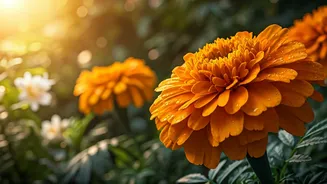
Walk through any Indian market or ceremony, and you'll be greeted by cascades of bright orange and yellow marigolds. These cheerful flowers are more than just decoration; they are integral to festivals and daily rituals. The good news for U.S. gardeners
is that marigolds are incredibly easy to grow and adore the exact conditions that mimic a monsoon: full sun and consistent moisture. They thrive in the heat and humidity of a typical American summer. Plant them in well-draining soil and water regularly, especially during dry spells. They act as a natural pest deterrent, making them a fantastic companion plant for your vegetable garden. Both French and African varieties do exceptionally well, producing a profusion of blooms from summer until the first frost.
Jasmine (Mogra/Chameli)
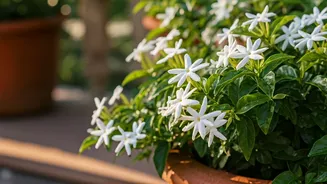
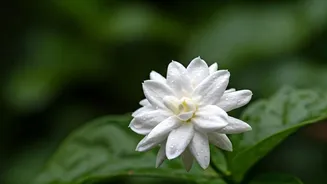
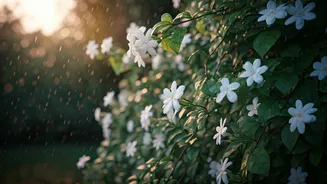
The intoxicating fragrance of jasmine on a warm, humid evening is a core sensory memory for many in India. Known as Mogra or Chameli depending on the variety, these climbing vines or shrubs produce delicate white flowers famed for their powerful scent. They are surprisingly adaptable to U.S. gardens, particularly in USDA zones 7-10. Plant your jasmine in a spot that gets full to partial sun. While they are relatively drought-tolerant once established, they flower most prolifically with regular watering during the hot summer months, simulating the daily rains of the monsoon. You can grow them in containers and bring them indoors for the winter in colder climates. The reward is a summer filled with one of the most romantic fragrances in the plant kingdom.
Hibiscus
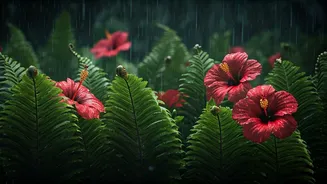
With their huge, dramatic blooms in shades of red, pink, yellow, and orange, hibiscus are the quintessential tropical flower. They are a common sight in Indian gardens, where they flourish in the post-monsoon humidity. These plants are sun-worshippers and water-lovers, making them ideal for gardens in the American South and other regions with hot, sticky summers. To get the best blooms, provide at least six hours of direct sunlight daily and keep the soil consistently moist but not waterlogged. A layer of mulch can help retain that essential moisture. While tropical hibiscus are treated as annuals or container plants in cooler zones, hardy varieties can survive winters as far north as zone 5, bringing a touch of the tropics to almost any U.S. garden.
Holy Basil (Tulsi)
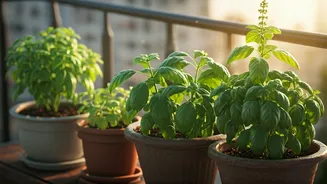
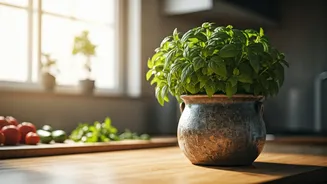
No Indian herb garden is complete without Tulsi, or Holy Basil. Revered in Hinduism and a staple of Ayurvedic medicine, this aromatic plant is grown in courtyards across the country. It has a peppery, clove-like fragrance and is distinct from the sweet basil used in Italian cooking. Tulsi loves heat and thrives in conditions that many other herbs find challenging. It performs beautifully in the summer sun, requiring regular water to produce its lush leaves. You can grow it easily from seed in a pot or garden bed. It’s a 'cut and come again' herb, meaning the more you harvest its leaves for tea or culinary use, the bushier it will grow. For American gardeners, it’s a low-maintenance herb that connects you to ancient traditions.
Turmeric (Haldi)
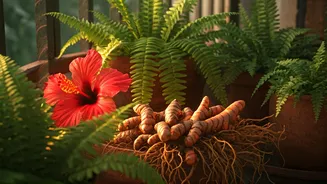
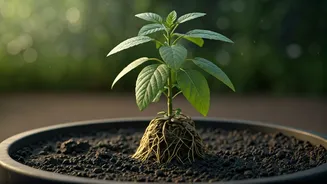
Why buy turmeric powder when you can grow the vibrant orange rhizome yourself? This member of the ginger family is a tropical plant that grows its best during the wet, warm monsoon season. In the U.S., you can replicate this by planting a store-bought rhizome (look for one with small buds) in a pot or a warm, sheltered garden spot after the last frost. The plant produces beautiful, broad green leaves and needs consistently moist soil and plenty of heat to thrive. It can be grown in the ground in zones 8 and warmer, but container gardening is a great option for everyone else. At the end of the growing season, when the leaves start to yellow, you can dig up the rhizomes, save one for replanting, and use the rest to make fresh, potent turmeric spice.
Balsam (Gulmehndi)
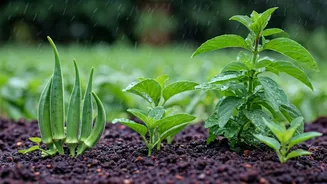
A classic flower of the Indian rainy season, balsam is beloved for its vibrant, camellia-like flowers that pop up all along its stems. Often called 'touch-me-nots' because their ripe seed pods burst open when handled, these plants bring a sense of playfulness to the garden. They thrive in the partial shade and moist soil typical of a monsoon-drenched garden bed. This makes them a perfect choice for those shadier, damper corners of your yard where other sun-loving annuals might struggle. Balsam is easy to grow from seed directly in the garden after the danger of frost has passed, and it will reward you with a continuous display of pink, red, purple, and white flowers throughout the summer.