






So, What Exactly Is Fibermaxxing?
At its core, fibermaxxing is the practice of intentionally and dramatically increasing your daily fiber intake. This isn't your grandma’s advice to eat more prunes. It’s a concerted, often quantified effort popular among a subset of wellness-focused millennials
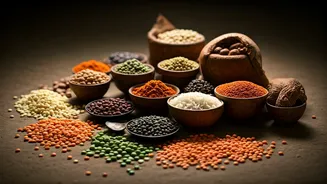
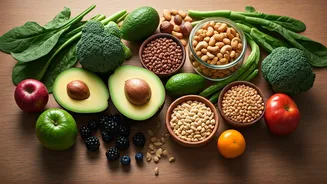
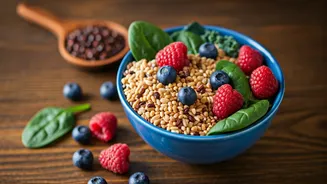
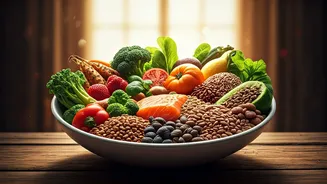
and Gen Z. While the official U.S. dietary guidelines recommend about 25 grams of fiber per day for women and 38 for men, fibermaxxers often aim for 50, 75, or even 100 grams. The trend lives on platforms like TikTok and Instagram, where users share 'What I Eat in a Day' videos showcasing meals packed with beans, legumes, whole grains, and psyllium husk supplements. It’s part dietary choice, part biohacking, and part online performance, turning the humble dietary fiber into a status symbol for gut health optimization.
The Gut-Brain-Everything Obsession
Why the sudden focus on something so unglamorous? Fibermaxxing is the natural evolution of our culture’s growing obsession with the gut microbiome. In recent years, the gut has been reframed from a simple digestive tube to the body's 'second brain,' influencing everything from mood and immunity to skin clarity and metabolism. For a generation fluent in the language of wellness, optimizing the gut is seen as a direct path to optimizing the self. Fiber is the primary fuel for beneficial gut bacteria. A high-fiber diet is scientifically linked to improved digestive regularity, lower cholesterol, better blood sugar control, and a reduced risk of chronic diseases. For fibermaxxers, consuming massive amounts of it feels like a tangible, measurable way to invest in long-term health, a satisfyingly concrete action in a world of vague wellness advice.
From Health Choice to Online Identity
Like many modern wellness trends, fibermaxxing isn't just about what happens on your plate—it's about sharing the journey. The 'movement' aspect of the headline is key. Online communities form around shared goals, with users posting their daily fiber counts, swapping high-fiber recipes, and celebrating digestive 'wins.' It transforms a personal health goal into a shared identity. For some, it’s a form of gentle rebellion against a mainstream diet of processed foods. For others, it’s about control and data; tracking fiber intake on an app provides the same dopamine hit as closing your rings on a fitness watch. This public documentation gamifies the experience, creating a feedback loop of validation and encouragement that keeps the trend alive and spreading through urban social feeds.
Is It Too Much of a Good Thing?
This is where health professionals urge caution. While most Americans are fiber-deficient and would benefit from eating more, jumping from 15 grams a day to 70 is a recipe for discomfort. Registered dietitians warn that such a rapid increase can lead to significant bloating, gas, cramping, and even constipation if not accompanied by a major increase in water intake. More seriously, an extremely high-fiber diet can interfere with the absorption of essential minerals like calcium, iron, and zinc. There's also a psychological risk. The intense focus on tracking and maximizing a single nutrient can border on orthorexia, an unhealthy obsession with 'correct' eating. The expert consensus isn't to avoid fiber, but to approach it sustainably. The goal should be a gradual increase, listening to your body rather than chasing an arbitrary, extreme number seen on social media.