




The Science of a Dry Sanctuary
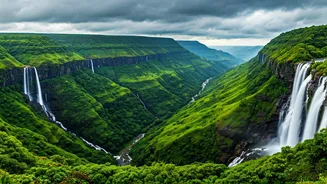
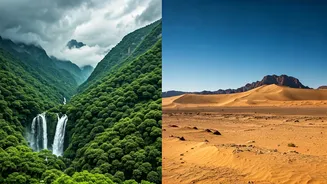
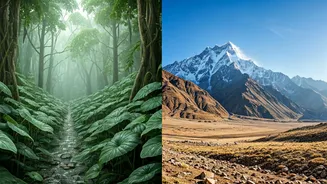
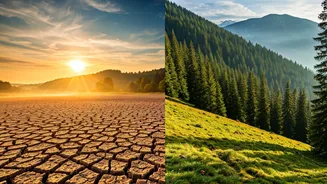
The secret to Spiti’s clear skies lies in a phenomenon known as a 'rain shadow.' Think of it like this: massive mountain ranges, like the Himalayas, act as giant walls. When moisture-heavy monsoon clouds roll in from the south, they are forced to rise
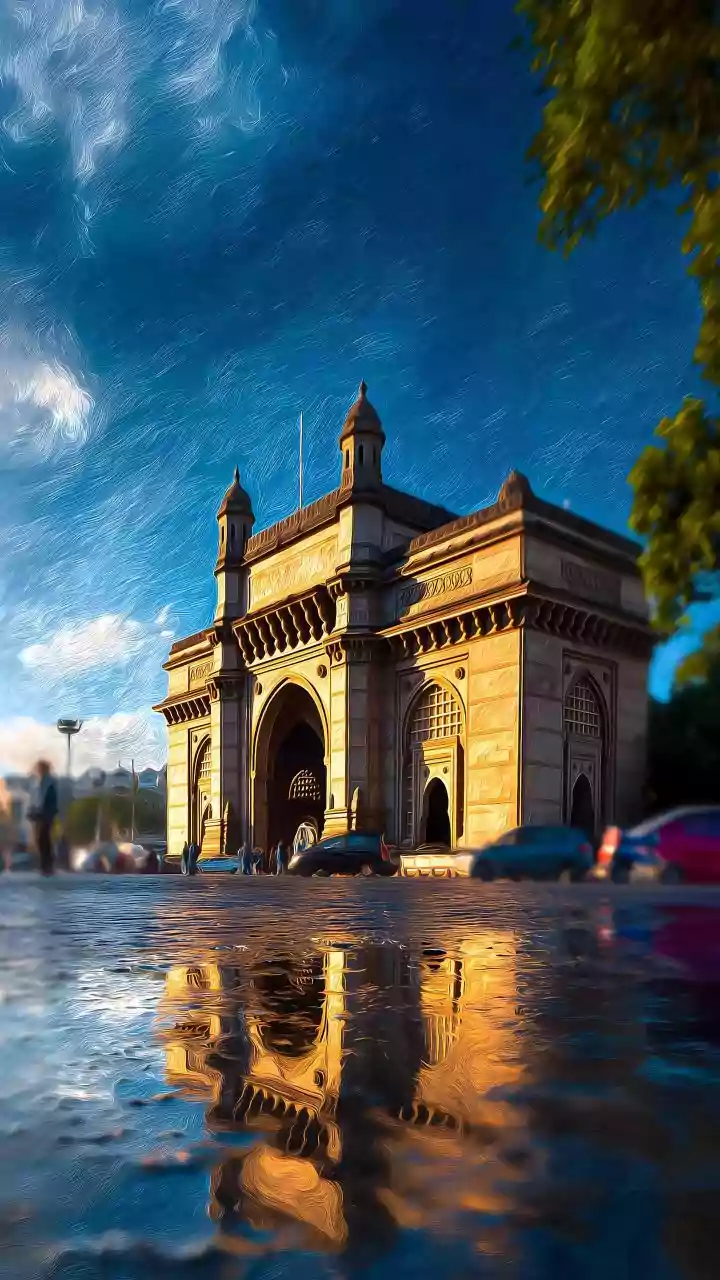
up the mountainside. As the clouds ascend, the air cools, and they dump all their water as heavy rain on one side—the windward side. By the time the air crests the peaks and descends on the other side—the leeward side—it's bone dry. This leeward area is the rain shadow. While regions like Mumbai and Goa are getting drenched from June to September, places inside this shadow remain arid and sunny. It’s a simple quirk of geography that creates a completely different world just a few hundred miles away from the deluge.
Where Mountains Play Gatekeeper
Spiti Valley, a high-altitude desert nestled in the northern Indian state of Himachal Pradesh, is the perfect textbook example of a rain shadow region. It’s effectively fenced in by the Greater Himalayan range, which stands as an impenetrable barrier to the Indian summer monsoon. The clouds, originating from the Bay of Bengal and Arabian Sea, exhaust their payload long before they can reach this remote enclave. The result is a stark, dramatic landscape that receives minimal rainfall year-round, making its summer season reliably dry and clear. For travelers, this means you can plan a trip with confidence, swapping umbrellas and raincoats for sunglasses and hiking boots, even in the heart of monsoon season.
A Landscape from Another Planet
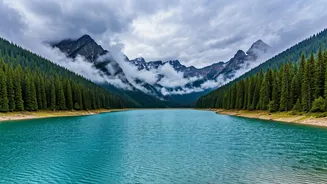
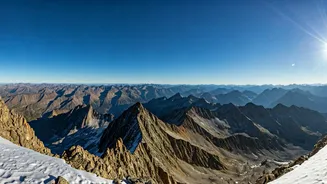
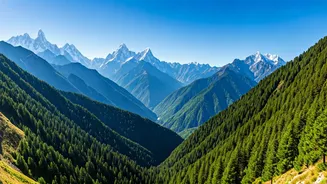
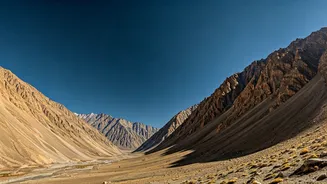
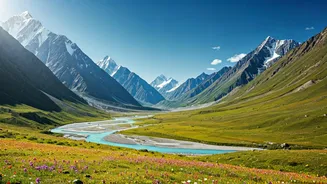
The lack of rain has carved a landscape that feels otherworldly. Forget lush, green hillsides; Spiti is a world of barren, majestic mountains in shades of brown, ochre, and purple. It’s often compared to Tibet, earning it the nickname 'Little Tibet'—and for good reason. The terrain is a stunning canvas of deep gorges carved by the turquoise Spiti River, wind-eroded rock formations, and vast, empty plains under an impossibly big sky. Perched precariously on cliffs and hilltops are ancient Buddhist monasteries, their white walls and colorful prayer flags providing a stark, beautiful contrast to the desolate surroundings. Places like Key Monastery, which looks like a fortress growing out of the rock, are not just religious sites but breathtaking architectural wonders that have stood for centuries against the elements.
The Monsoon-Proof Adventure
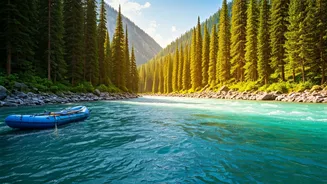
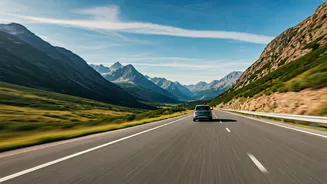
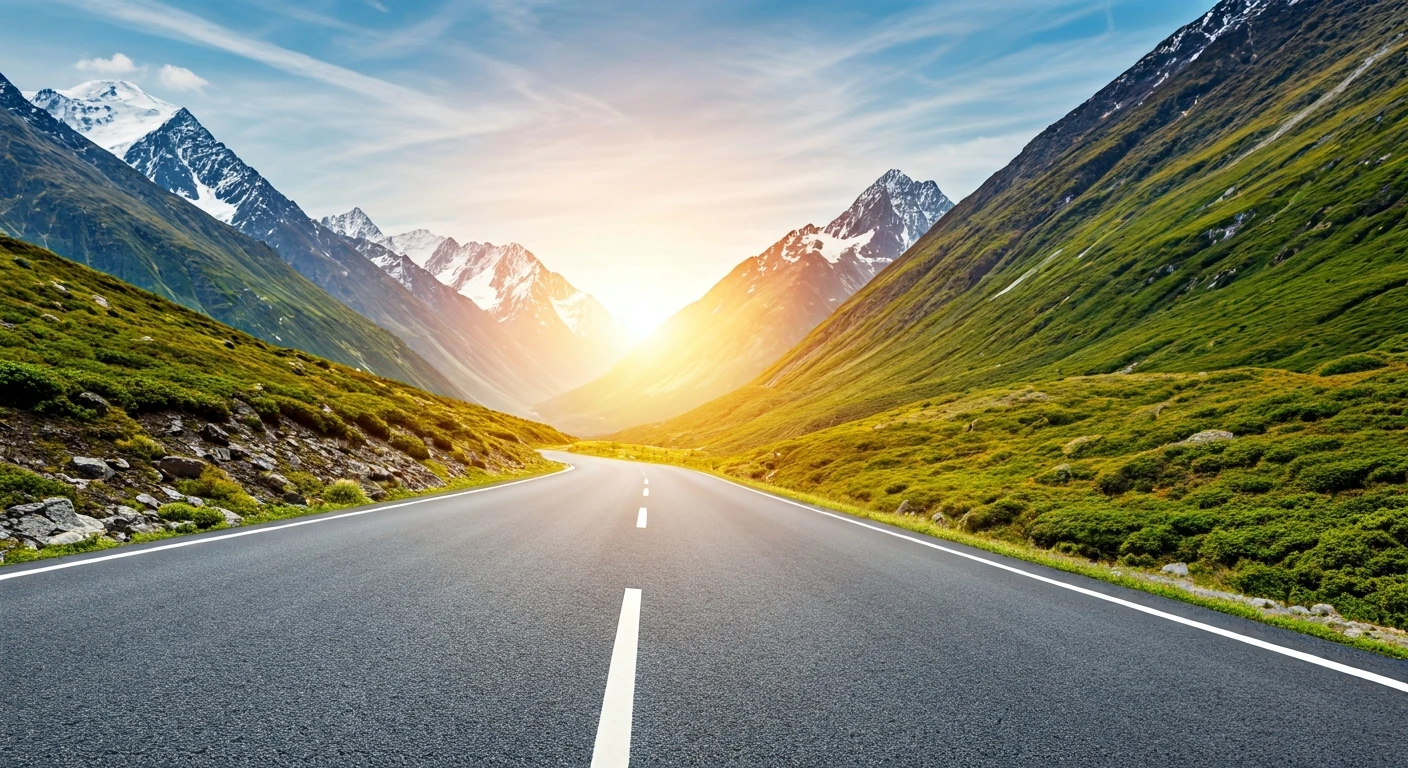
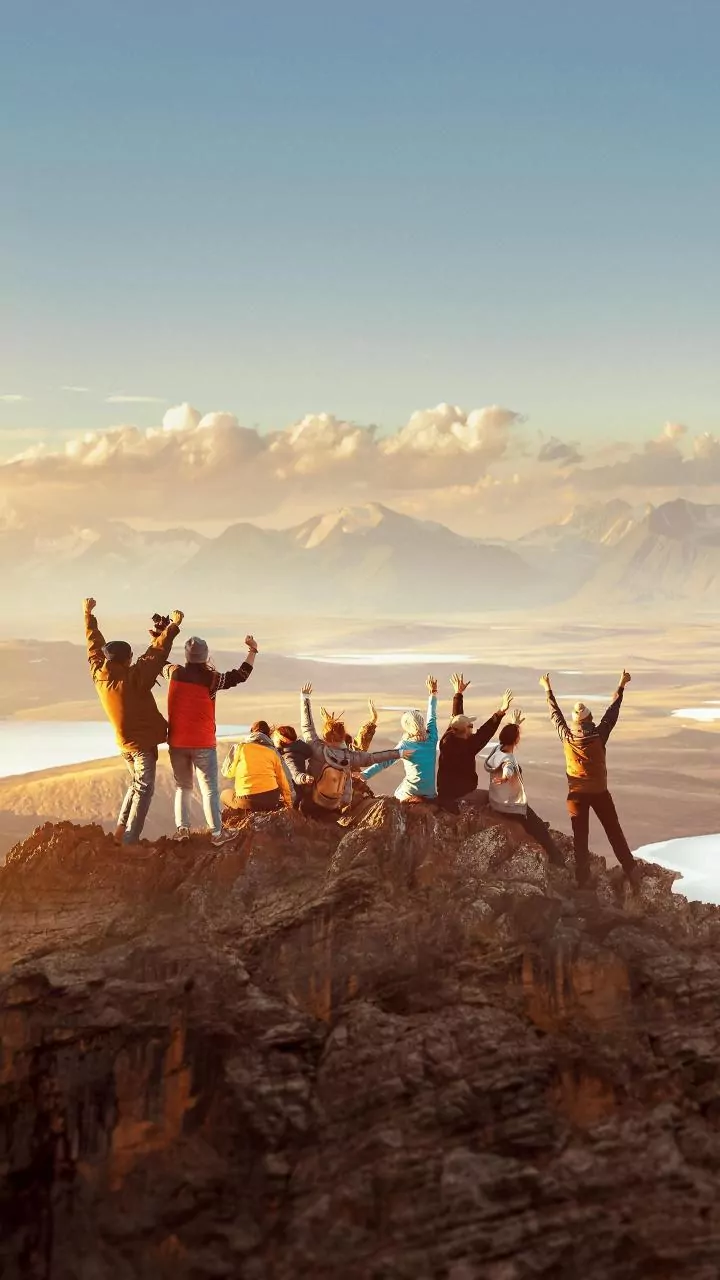
So what does being a 'clear winner' actually mean for a visitor? It means adventure without interruption. While trekking routes in other parts of the Himalayas become slick, leech-infested, and dangerous during the monsoon, Spiti’s trails remain open and inviting. It's the ideal time for high-altitude trekking, mountain biking on some of the world's highest motorable roads, and white-water rafting on the Spiti River. The clear, dry air also makes for phenomenal stargazing. With minimal light pollution and cloudless nights, the Milky Way isn't just visible; it’s a brilliant, shimmering ribbon across the sky. You can visit ancient villages like Langza, famous for its giant Buddha statue overlooking the valley, or Hikkim, home to the world’s highest post office, and send a postcard from a place that feels like the edge of the world.