



A Landscape of Legend
Tucked away in the state of Uttarakhand in northern India, the Valley of Flowers National Park is a place that feels more like a myth than a map coordinate. This high-altitude Himalayan valley, resting at over 11,000 feet, is a designated UNESCO World
Heritage Site, celebrated for its meadows of endemic alpine flowers and staggering natural beauty. For centuries, it was the stuff of local legend—a place inhabited by fairies, so fragrant that mortals who entered would fall into a deep, unending sleep. Hindu mythology links it to the epic Ramayana, suggesting it was from these slopes that the god Hanuman collected the life-saving Sanjeevani herb. Its modern “discovery” by the outside world came in 1931, when three British mountaineers stumbled upon it after getting lost while returning from an expedition. One of them, Frank S. Smythe, was so captivated that he returned to write a book, “The Valley of Flowers,” cementing its name and allure for generations of adventurers to come. Today, it’s part of the larger Nanda Devi Biosphere Reserve, a protected sanctuary for both rare flora and elusive fauna.
The Journey Is the Destination
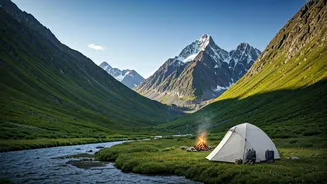
Reaching this floral paradise is no simple drive; it’s a pilgrimage that must be earned on foot. The journey typically begins in the bustling mountain town of Joshimath, the gateway to several Himalayan treks and shrines. From there, a drive and a short trek lead to Ghangaria, a small, rustic village that serves as the base camp for the valley. There are no permanent settlements beyond this point, only seasonal guesthouses and eateries that cater to the brief trekking window from June to October. The trek from the road head to Ghangaria is an experience in itself, a roughly 8-mile ascent that follows the path of the gushing Pushpawati River. You’ll walk alongside pilgrims heading to the revered Sikh shrine of Hemkund Sahib, sharing trails with porters and mules. The air thins, the scenery becomes more dramatic, and the sense of leaving the modern world behind grows with every step. This physical effort is a key part of the experience, a gradual acclimatization that prepares you for the spectacle ahead.
A Carpet of Impossible Color
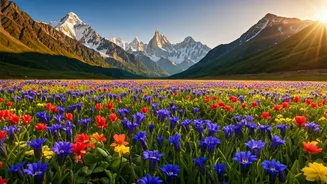
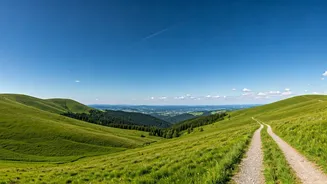
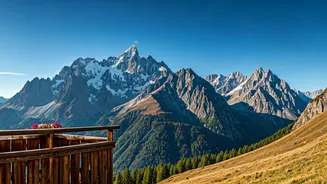
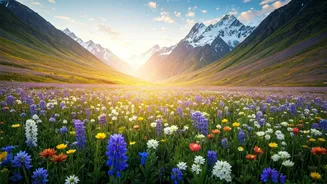
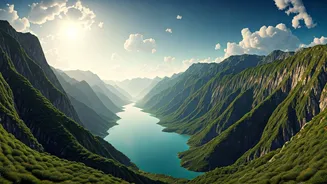
After an overnight stay in Ghangaria, the final leg of the journey begins. A park permit and a few more miles of hiking bring you to the entrance of the valley. The transition is breathtaking. The rugged trail opens up into a vast, U-shaped glacial meadow, framed by jagged, snow-dusted peaks. And everywhere, there is color. From late July through August, the valley floor is a living tapestry woven with hundreds of species of flowers. Patches of vibrant pinks, deep purples, sunny yellows, and stark whites blanket the landscape. Over 500 species of flowering plants have been identified here, many of which are found nowhere else. Trekkers search for the iconic and elusive Himalayan Blue Poppy, the ethereal Brahma Kamal (a sacred flower that blooms only at night at these altitudes), and countless other gems like cobra lilies, geraniums, and potentillas. The air is thick with the sweet, clean scent of blossoms and damp earth, a stark contrast to the sterile, thin air of the surrounding high peaks.
A Brief and Fragile Beauty
The magic of the Valley of Flowers is its fleeting nature. The park is only open for a few months a year, typically from June until early October. Before and after, heavy snow renders it inaccessible. The peak bloom, when the valley is at its most spectacular, lasts for just a few weeks. This short window adds to its preciousness. You can't just go anytime; you have to align your journey with the mountain's own schedule. While the focus is on the flora, the valley is also home to rare animals like the Asiatic black bear, snow leopard, and blue sheep, though sightings are extremely rare and require a great deal of luck. For most visitors, the true spectacle is the quiet, overwhelming beauty of the flowers against the silent, imposing backdrop of the Himalayas.