



The Living Golden Fort
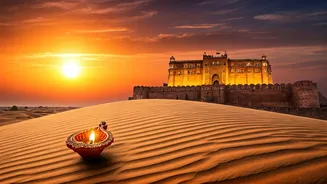
The heart of Jaisalmer is not a ruin but a living, breathing citadel. The Jaisalmer Fort, a UNESCO World Heritage site, is one of the few remaining “living forts” in the world, with a significant portion of the old city's population still residing within
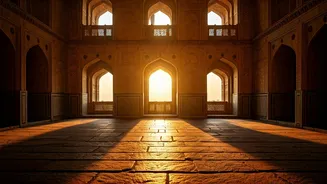
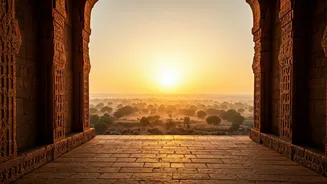
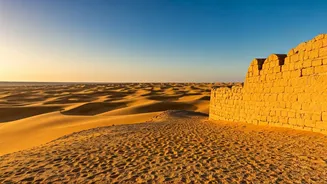
its massive walls. To walk through its gates is to step back in time. The sandstone ramparts, which appear honey-gold at dawn and fiery orange at sunset, enclose a labyrinth of narrow alleyways. These paths twist and turn, revealing bustling markets, ancient Jain temples with astonishingly intricate carvings, and rooftop cafes offering panoramic views of the city below. Unlike the sterile, museum-like quality of many European castles, Jaisalmer Fort thrums with the energy of daily life. Children play cricket in dusty courtyards, merchants hawk colorful textiles and leather goods, and the scent of frying samosas mingles with incense from household shrines. It’s an immersive experience where history isn’t just observed; it’s inhabited.
A Labyrinth of Opulent Havelis
Beyond the fort’s walls, the “golden walks” continue through streets lined with havelis—the ornate mansions of wealthy merchants from the 18th and 19th centuries. These are not mere houses but architectural masterpieces, each facade a dizzying tapestry of stone. The most famous cluster, Patwon Ki Haveli, is a collection of five interconnected mansions that look as if they were spun from golden lace. Their balconies, or jharokhas, feature impossibly delicate latticework designed to allow the women of the household to observe street life without being seen. Every square inch is covered in detailed carvings of flowers, animals, and geometric patterns. Exploring these structures, like Nathmal Ki Haveli and Salim Singh Ki Haveli, feels like a treasure hunt. Each corner turned reveals another layer of artistry, a testament to the immense wealth that once flowed through this desert trading post on the camel caravan routes.
Under an Ocean of Dry Sky
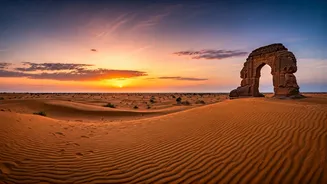
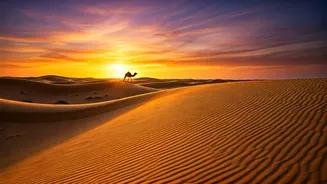
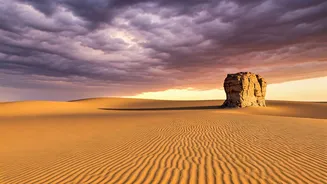
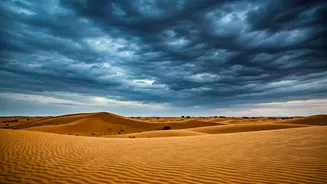
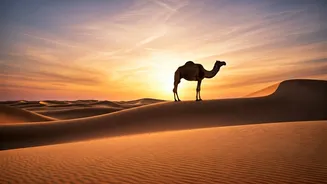
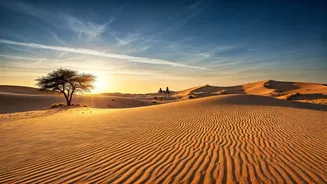
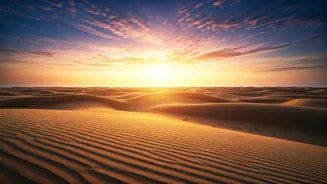
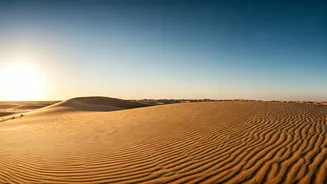
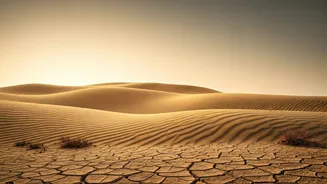
Jaisalmer’s identity is inseparable from its environment. The “dry skies” of the headline are a constant presence, a vast, unbroken dome of blue during the day and a brilliant canopy of stars at night. This arid landscape is best experienced with a journey into the Thar Desert itself. A camel safari is the quintessential Jaisalmer adventure, taking you from the golden city to the rolling golden sand dunes of Sam or Khuri. The rhythmic, swaying gait of the camel, the profound silence of the desert broken only by the wind, and the spectacle of the sun setting over an endless sea of sand create an unforgettable sense of peace and scale. Many tours culminate in an overnight stay at a desert camp, where you can enjoy traditional Rajasthani folk music and dance around a bonfire before sleeping under a sky so clear and star-filled that the Milky Way seems almost close enough to touch. It’s a humbling reminder of the city’s origins as a remote desert oasis.
An Oasis of Culture and Calm
While the fort and desert are the main draws, Jaisalmer’s soul is also found in its quieter corners. Gadisar Lake, a man-made reservoir originally built in the 14th century, once served as the city’s sole water source. Today, it’s a tranquil oasis on the outskirts of town. Surrounded by ornate temples and shrines, its waters are home to countless catfish that swarm for breadcrumbs tossed by visitors. Renting a paddleboat and floating beneath the intricately carved archway that marks the entrance provides a serene contrast to the vibrant chaos of the city’s markets. These markets themselves are a sensory overload in the best way, filled with mirror-work textiles, embroidered camel-leather bags, silver jewelry, and vibrant puppets. Here, amid the haggling and the color, you get a true taste of Rajasthani culture—resilient, resourceful, and dazzlingly artistic.