


1. Embrace Multi-Functional Furniture
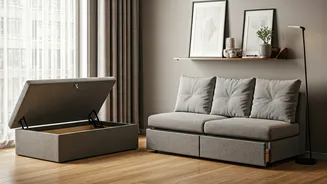
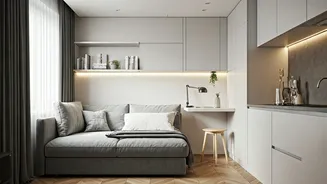
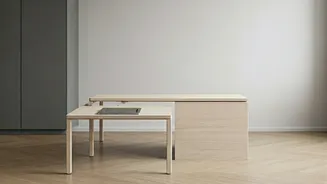
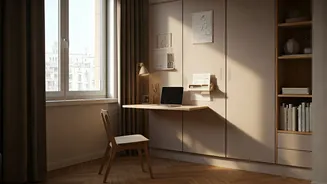
The golden rule of small-space living is to make your furniture work at least two jobs. Think beyond the futon. Modern design offers a wealth of ingenious solutions. A coffee table can lift to become a dining table or a work-from-home desk. An ottoman
isn’t just for your feet; it’s a hollow vessel for storing blankets, board games, or seasonal clothes. A chic entryway bench can have cubbies for shoes underneath. By investing in pieces that transform or conceal, you reduce the number of items you need, freeing up valuable floor space and decluttering your life in the process. Before buying any new piece, ask yourself: what else can this do for me?
2. Think Vertically, Not Just Horizontally
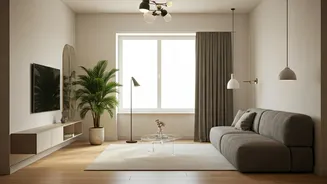
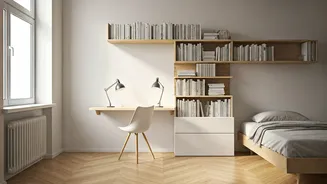
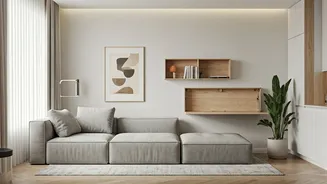
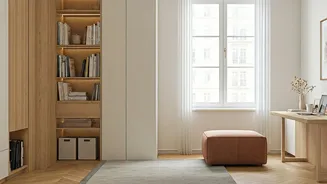
When you can't build out, build up. Most people focus on floor space, completely ignoring the vast, untapped potential of their walls. Floor-to-ceiling bookshelves not only provide immense storage but also draw the eye upward, creating an illusion of height and grandeur. In the kitchen, use magnetic knife strips and wall-mounted racks for spices and utensils to clear off your counters. In the living room, a floating media console looks sleek and frees up the floor beneath it, making the room feel less crowded. Even plants can go vertical with hanging planters or wall-mounted pots, adding life without sacrificing a single inch of table surface.
3. Create Zones with Rugs and Paint
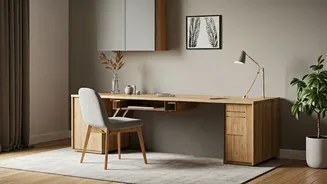
A studio apartment doesn't have to feel like one big, confusing room. You can create the feeling of separate spaces through a clever technique called “zoning.” A large rug can define the living area, visually separating it from your sleeping or dining space. A different-colored rug can then designate the kitchenette. Another powerful tool is paint. Painting one wall a distinct accent color—or even painting a large arch or block of color behind your desk—can create a psychological “nook” that feels like a dedicated home office. This technique tricks the brain into perceiving distinct rooms, making a small layout feel more organized, intentional, and surprisingly expansive.
4. Master the Illusion of Light and Mirrors
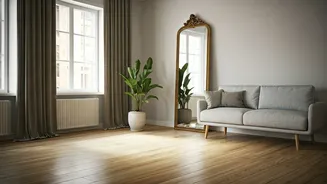
This is one of the oldest tricks in the design book for a reason: it works. Light, bright colors on walls—think whites, pale grays, and soft pastels—reflect natural and artificial light, making a room feel open and airy. Dark colors absorb light and can make a space feel like it’s closing in on you. The real magic, however, comes from mirrors. A large, strategically placed mirror can have a dramatic effect. Positioned opposite a window, it will bounce light around the room and reflect the view, essentially creating a second “window.” A full-length mirror leaning against a wall can make a narrow hallway feel twice as wide. It’s a simple, often affordable way to visually double your space.
5. Adopt the 'One In, One Out' Mentality
Functionality isn't just about furniture; it's about discipline. Clutter is the number one enemy of a small space. The most beautifully designed tiny apartment will feel chaotic if it’s drowning in stuff. A simple but powerful rule to live by is “one in, one out.” Every time you bring a new item into your home—whether it’s a piece of clothing, a book, or a kitchen gadget—an old item must go. This forces you to be a ruthless curator of your own possessions. It prevents the slow, creeping accumulation of things you don’t need and ensures that everything you own has a purpose and a place. It’s less a design tip and more a lifestyle shift that pays huge dividends in a compact home.
6. Find and Utilize 'Invisible' Storage
The best storage is the storage you don't see. Look for opportunities to stash things away in overlooked spaces. The void under your bed is a prime location for rolling bins or drawers containing out-of-season clothing or extra linens. The space above your kitchen cabinets can hold rarely used appliances. Consider furniture with built-in, hidden storage, like a bed frame with drawers integrated into the base or a sofa with a chaise lounge that lifts to reveal a hidden compartment. Slim, vertical cabinets can tuck into the awkward space between a refrigerator and a wall. By making your storage invisible, you maintain clean lines and a sense of calm, uncluttered openness.