

The 'Other' Monsoon
When Americans think of a “monsoon,” they often picture the torrential summer rains that drench much of India from June to September. That’s the Southwest Monsoon, a massive weather engine that defines the subcontinent’s climate. But it’s only half the story.
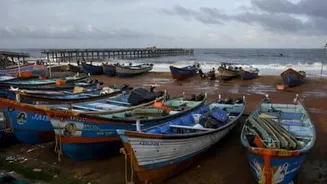
As that system retreats, a different, more localized phenomenon takes over: the Northeast Monsoon. Also known as the “retreating monsoon,” this system primarily affects the southeastern coast of India—particularly states like Tamil Nadu, Andhra Pradesh, and Kerala—as well as Sri Lanka and parts of Southeast Asia. From October to December, winds reverse direction, picking up moisture from the Bay of Bengal and delivering it to a region that receives comparatively little rain during the summer monsoon. For cities like Chennai, this three-month period brings the bulk of their annual rainfall, making it a critical, if often challenging, season.
The Gift of Water
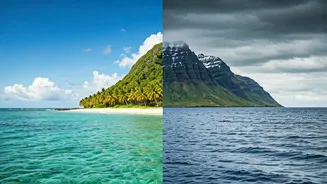
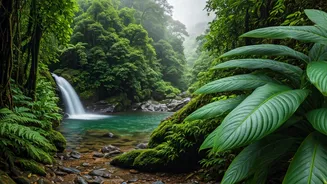
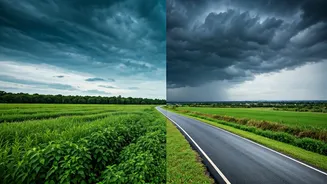
The “Lush Landscapes” part of the headline is no exaggeration. The arrival of the Northeast Monsoon is a moment of profound renewal. After months of heat, the rains cool the air and saturate the parched earth. The landscape transforms, with dusty browns giving way to an almost impossibly vivid green. This rainfall is the lifeblood for the region’s agriculture, essential for the cultivation of rice, cotton, and other crops. It replenishes reservoirs, lakes, and aquifers, securing drinking water for millions of people in major metropolitan areas for the year ahead.
For many, the monsoon is a deeply cultural event, marked by a change in routines, foods, and even art. The scent of rain on dry soil—a smell known as petrichor—is an eagerly anticipated sensory experience. The rains break the oppressive humidity, bringing a sense of relief and regeneration that permeates daily life. Without this seasonal deluge, the region’s delicate ecological and agricultural balance would collapse.
The Unpredictable Disruptor
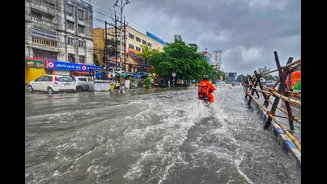
While the rains are essential, they are also a force of immense disruption. The Northeast Monsoon is notoriously erratic. Some years bring deficient rainfall, leading to water scarcity. More often in recent memory, however, the problem is too much rain, too quickly. The intense downpours can overwhelm urban drainage systems, leading to widespread flooding in densely populated cities like Chennai.
This is where the “Travel Delays” become a defining feature. International airports may be forced to close their runways due to waterlogging, leading to canceled or diverted flights and stranding thousands of passengers. Train services are frequently suspended as tracks become submerged, and major highways can become impassable for days. For a traveler, a planned itinerary can unravel in a matter of hours. What was supposed to be a tour of ancient temples can quickly become a hotel-bound waiting game. This unpredictability is a major challenge for the region’s infrastructure and a source of annual anxiety for its residents.
Adapting to the Deluge
Living with the Northeast Monsoon requires a culture of resilience and adaptation. For locals, it's an accepted part of the yearly cycle. Preparations begin weeks in advance as municipalities clear storm drains and disaster management teams are put on alert. People know to stock up on essentials and to have a plan for potential power outages or evacuations. Yet, the increasing intensity of rainfall, widely linked by scientists to climate change, is testing these traditional coping mechanisms.
For tourists, navigating the monsoon season requires a different mindset. Instead of fighting the weather, the best approach is to embrace flexibility. It means building buffer days into a travel schedule, purchasing travel insurance, and staying informed about local weather advisories. It also means appreciating the unique beauty the season offers—the dramatic, cloud-filled skies, the thunderous downpours followed by clean, fresh air, and the chance to see a landscape at its most dynamic and alive.