





The Legendary Dussehri
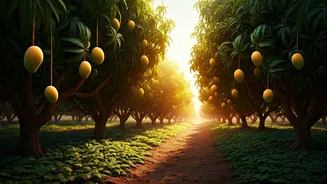
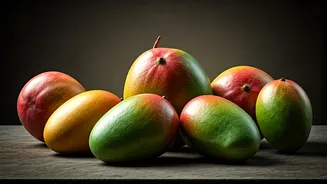
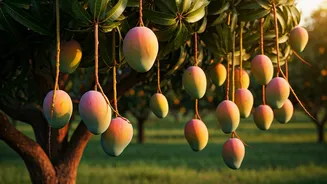
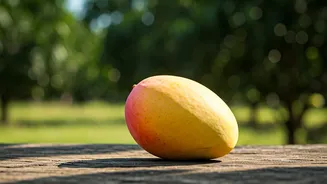
Just outside the historic city of Lucknow, in the northern Indian state of Uttar Pradesh, lies a sprawling, 25-mile stretch of land known as the Malihabad mango belt. This region is world-famous for one thing above all else: the Dussehri mango. Slender,
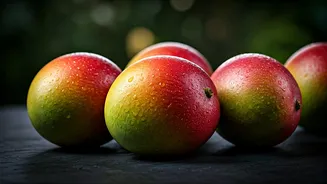
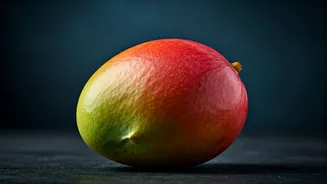
golden-yellow, and packed with a fiberless, honeyed pulp, the Dussehri is often called the 'king of mangoes.' Its reputation is so esteemed that it was granted a Geographical Indication (GI) tag in 2009, a status similar to Champagne in France or Parmesan in Italy. This designation legally protects the name, ensuring that only mangoes grown in this specific region can be sold as Dussehri. For the communities here, this isn't just a point of pride; it's an economic shield, protecting the value of their unique agricultural heritage.
An All-Encompassing Economy
The mango season, though lasting only a few frantic months from May to July, dictates the rhythm of life and the flow of money for the entire year. The industry is far more than just farmers picking fruit. It’s a complex ecosystem of jobs that ripples through entire villages. During the harvest, orchards teem with workers—pickers who expertly pluck the fruit, sorters who grade it by size and quality, and packers who carefully arrange the delicate produce into wooden crates. Beyond the orchards, a network of transporters, crate-makers, and local market vendors all depend on a successful season. For countless families, the income earned during these few months must be carefully managed to sustain them through the rest of the year, funding everything from daily expenses and home repairs to education for their children.
Seeds of Empowerment
While the mango trade has existed for centuries, a modern shift is changing who benefits from it. Traditionally, small-scale farmers were often at the mercy of middlemen who would buy their crop at low prices and sell it for a large markup in urban markets. Today, however, farmer cooperatives and self-help groups are creating new avenues for empowerment. By banding together, growers can command better prices, access government support programs, and even invest in small-scale processing facilities. These initiatives are particularly impactful for women in the community. Many women-led groups now produce and sell value-added products like mango pickles, dried mango slices (aam papad), and jams, creating a secondary income stream that extends well beyond the brief fresh fruit season. This financial independence gives them a greater say in household decisions and a stronger footing in the local economy.
Challenges on the Horizon
Despite its successes, the future of Lucknow’s sweet gold is not without its threats. Climate change poses the most significant risk, with erratic weather patterns, unseasonal rains, and intense heatwaves capable of devastating a crop. A single hailstorm at the wrong time can wipe out a farmer's entire annual income. Furthermore, younger generations are increasingly migrating to cities in search of more stable, year-round employment, raising concerns about who will tend the orchards in the decades to come. To combat this, local agricultural bodies and NGOs are working to introduce more resilient farming techniques and promote the trade as a viable, modern profession, hoping to preserve the skills and passion that have defined Malihabad for generations.