





An Antidote to Plastic
For many young Indians, the turn towards earthenware is first and foremost an environmental statement. Growing up in an era defined by the climate crisis and plastic-choked landscapes, Gen Z and millennials are actively seeking sustainable alternatives.
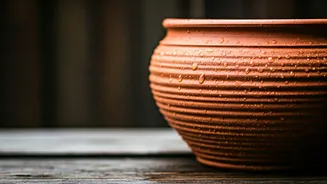
The clay pot, or *matka* as it's widely known, is the antithesis of the disposable plastic bottle. It’s made from the earth, completely biodegradable, and reusable for years. Adopting a *matka* for drinking water or using clay vessels for serving is a tangible, daily act of defiance against a culture of disposability. It's a vote for a slower, more deliberate way of living that honors natural materials over industrial convenience. This eco-conscious mindset aligns perfectly with global youth movements demanding greater corporate and individual responsibility for the planet.
The Wellness Connection
Beyond its green credentials, the clay pot is at the heart of a major wellness trend. Traditional wisdom, long passed down through generations, holds that water stored in a clay pot is healthier. The science is surprisingly compelling. The porous nature of clay allows for evaporation on the outer surface, which naturally cools the water inside—a low-tech, energy-free refrigerator perfect for the Indian climate. Furthermore, proponents claim the clay imparts minerals to the water and, being alkaline in nature, helps balance the body’s pH levels, a popular concept in modern wellness circles. For a generation obsessed with hydration, health hacks, and natural living, swapping filtered water stored in plastic for 'matka water' is a simple, effective upgrade.
A Taste of Authenticity
The revival isn't just about drinking water; it's about food. Cooking in clay pots, known as *handis*, is being rediscovered for its ability to transform a meal. Clay is a slow and even conductor of heat, allowing curries, biryanis, and dals to simmer gently, locking in moisture and nutrients. The result is a depth of flavor and a unique earthy aroma that metal pots can't replicate. For many young urbanites, this cooking style offers a direct line back to their roots. It’s a way to connect with the 'slow food' of their grandparents’ generation, offering a comforting and flavorful escape from the fast-paced, often homogenized world of modern cuisine. In trendy cafes and homes alike, serving a dish in a clay pot signals a commitment to tradition and taste.
Earthy, Rustic, and Shareable
In the age of social media, aesthetics matter. And the humble clay pot has a powerful aesthetic. Its rustic, earthy texture and simple, elegant form are incredibly photogenic. They are the perfect prop for a carefully curated Instagram feed that values authenticity, craftsmanship, and a touch of the bohemian. A terracotta-colored *matka* sitting on a kitchen counter or a beautifully crafted *handi* presented at a dinner party doesn’t just serve a function; it tells a story. It says the owner is thoughtful, health-conscious, and connected to a deeper cultural heritage. This visual appeal has been a huge catalyst, turning a niche practice into a shareable trend that spreads organically through social networks, inspiring others to bring a piece of this earthy tradition into their own modern lives.