




It’s the Ultimate Space-Saver
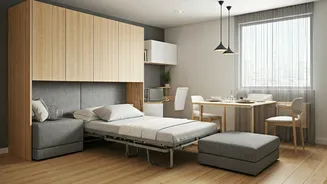
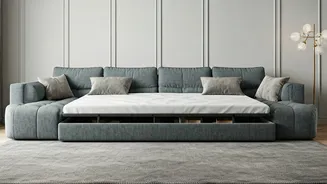
The most obvious reason for the rise of convertible furniture is the shrinking American home. From city apartments to downsized suburban dwellings, maximizing every square foot has become an art form. This is where multi-purpose pieces shine. A classic
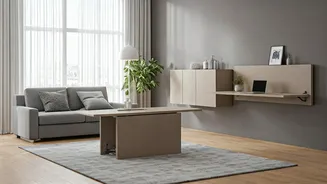
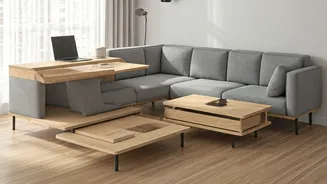
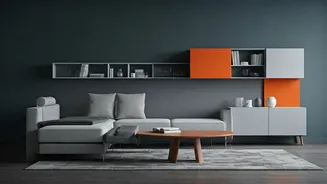
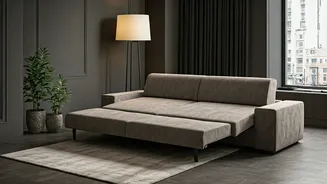
sleeper sofa turns a living room into a guest room in seconds. A Murphy bed, once a sitcom punchline, is now a sophisticated solution that can fold away to reveal a desk or shelves, freeing up an entire room for daytime use. Lift-top coffee tables provide hidden storage for blankets, remotes, and magazines, while also rising to become a comfortable dining or work surface. For anyone who has ever felt boxed in by their own home, this furniture offers something invaluable: breathing room.
It Champions Budget-Friendly Design
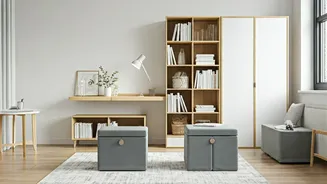
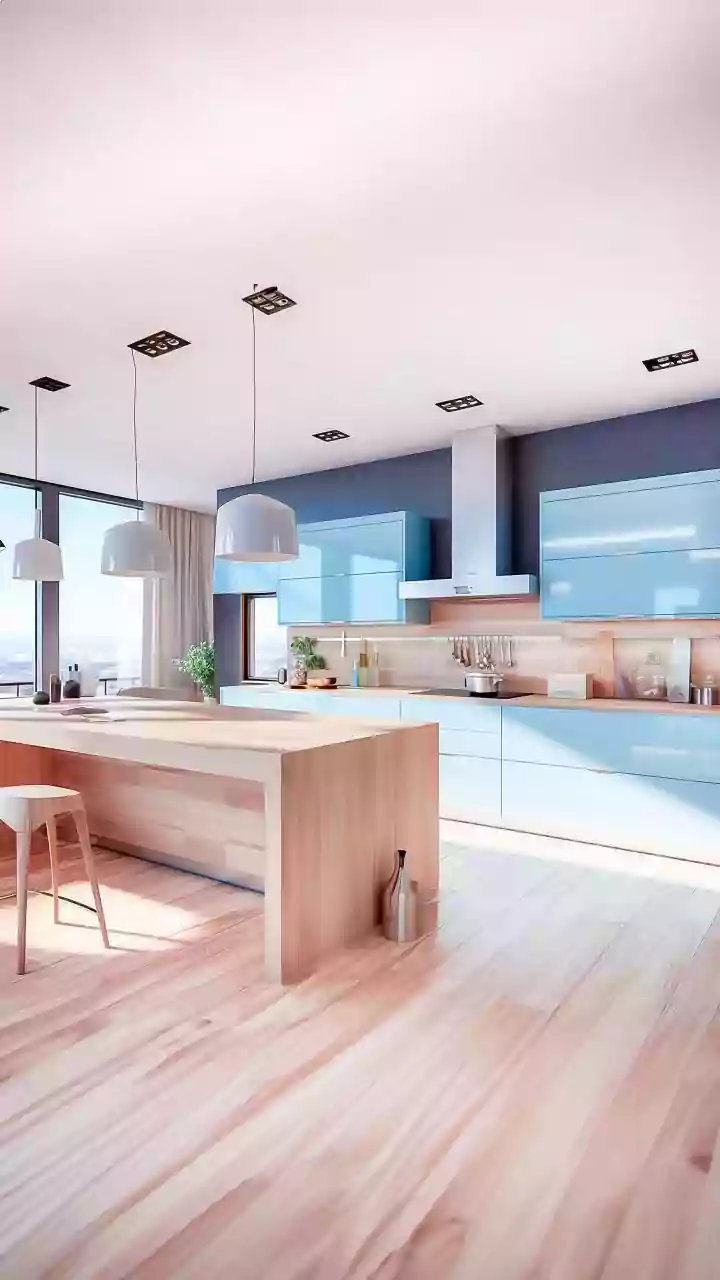
Furnishing a home is expensive. Buying a separate bed, desk, and bookshelf can quickly drain a budget. A single, well-designed piece that serves all three functions represents a significant cost saving. This isn't about cheaping out; it's about investing smartly. Instead of purchasing multiple lower-quality items, consumers can allocate their budget toward one durable, high-functioning piece. This principle extends beyond major furniture. An ottoman with built-in storage eliminates the need for a separate toy box or blanket chest. A kitchen island on wheels can serve as a prep station, a dining table, and extra counter space. By reducing the sheer number of items needed, multi-functional design makes creating a stylish, complete home more accessible.
It Reflects a Sustainable Mindset
The movement toward more conscious consumption has found a natural ally in multi-purpose furniture. Choosing one item that does the job of three is an inherently sustainable act. It means less manufacturing, less shipping, and a smaller resource footprint over the product’s lifecycle. This philosophy of “less but better” resonates with a growing number of consumers who are looking to declutter their lives and reduce their environmental impact. Instead of accumulating a collection of single-use items that may eventually end up in a landfill, people are opting for adaptable pieces that can evolve with their needs, promoting longevity over disposability. It’s a quiet form of activism you can live with—literally.
It’s the Work-From-Home Hero
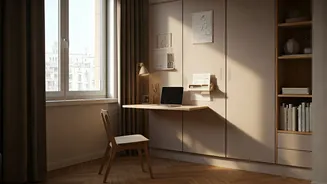
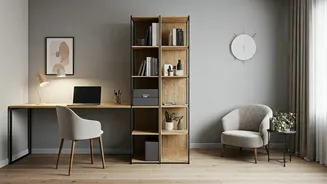
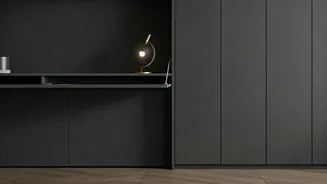
The pandemic permanently altered our relationship with home, turning dining tables into desks and bedrooms into boardrooms. Multi-purpose furniture became a frontline soldier in the battle for work-life balance. A console table that unfolds into a full-sized desk allows you to “close up shop” at the end of the day, creating a mental and physical separation from your job. Beds with integrated storage and shelving can create a functional office nook without sacrificing serenity. This adaptability is key. It allows a single space to seamlessly transition between professional and personal modes, preventing the feeling that you’re living at the office. This flexibility isn't a luxury anymore; for millions of Americans, it’s a necessity for a sane and productive life.
It Makes a Powerful Style Statement
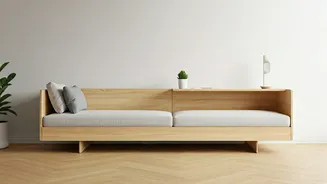
Beyond pure function, multi-purpose furniture has become a hallmark of modern, minimalist aesthetics. These pieces are often celebrated for their clean lines, clever engineering, and uncluttered presence. A storage bed doesn't look like a bed with drawers; it looks like a sleek, solid platform. A convertible coffee table is a feat of design ingenuity that adds an element of surprise and sophistication to a room. This trend is winning hearts not just because it's practical, but because it’s cool. It communicates a sense of resourcefulness and intentionality. Choosing this type of furniture says you value smart design and an organized, curated living space over sheer accumulation. It’s a declaration that your home is a flexible, dynamic environment built for living, not just for storing things.