
The Anatomy of a Flavor Bomb
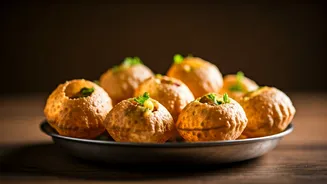
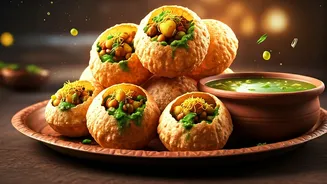
First, let's break down the mechanics for the uninitiated. Pani puri (also known as golgappa, phuchka, and other regional names) is a popular Indian street food. At its core, it consists of a puri: a small, hollow, deep-fried sphere of dough, crisp enough
to shatter on contact. The vendor, with practiced speed, pokes a hole in the top of the puri with their thumb, stuffs it with a savory filling—typically a mix of spiced mashed potatoes, chickpeas, or sprouts—and then dunks the whole thing into a vat of pani, or flavored water. This isn't just any water; it’s a fiercely debated, highly personal concoction of tamarind, mint, cilantro, chili, and a blend of spices that can be tangy, spicy, sweet, or all of the above. You pop the entire thing into your mouth in one go. There is no other way. To hesitate is to invite a soggy mess; to bite it in half is a rookie mistake you only make once.
More Than a Snack, It's a Ritual
Here's where we get to the "vibe" part. You don't order a dozen pani puri and sit down at a table. You stand at the cart, shoulder-to-shoulder with friends or strangers, holding a small leaf plate or bowl. The vendor, the *pani-puri-wallah*, is the conductor of this orchestra. They work at lightning speed, assembling and serving one puri at a time, per person. You eat, you hold out your plate, and another appears. It’s a rapid-fire transaction built on rhythm and non-verbal cues. There's an unspoken challenge: how many can you handle before tapping out? The vendor might watch your reaction, adjusting the spice level on the next one based on your wince or your grin. This isn't a passive meal. It’s an interactive, fleeting performance where you are both the audience and a participant. The entire experience for a group might last only ten minutes, but it's a flurry of shared laughter, watery eyes from the spice, and pure, unadulterated joy.
The Great Unifier
In India, pani puri transcends class and occasion. You'll find it being served from humble street carts on dusty roads, at lavish weddings from uniformed caterers, and in high-end restaurants offering deconstructed, DIY versions. It’s the after-school snack for kids, the shopping break treat for families, and the late-night craving for young adults. It’s a food of the people, for the people. Everyone has their preferred vendor, their perfect pani recipe, and a nostalgic story attached to it. That shared language is part of the vibe. When someone says they're craving pani puri, they’re not just saying they're hungry. They’re saying they want that specific, explosive, communal experience that jolts you out of your day and reminds you of the simple, chaotic pleasure of being alive.
Why It’s a 'Vibe Category'
So, is it a food? Yes. But it’s also an atmosphere. It’s the sound of the crisp puri cracking, the chatter of the crowd around the cart, the hurried gulp before the flavor erupts, and the immediate, instinctive desire for the next one. It's an experience defined by its ephemerality—it cannot be packed to-go in any meaningful way, as the puri would instantly sog. It demands your presence. It's a momentary escape that engages all your senses simultaneously. That’s why it’s a vibe. It’s not about sustenance; it’s about the feeling. Like a great song that makes you want to move or a sunset that makes you stop and stare, pani puri makes you feel something immediate and intense. It’s a category of experience all its own.