


The Primacy of Comfort
Let’s dismantle an outdated myth: comfort is not the enemy of style. For decades, the image of the chic traveler involved structured, often unforgiving, garments. But ask anyone who has endured a nine-hour flight in tight jeans, and they’ll tell you that
misery is never in fashion. The modern travel uniform champions comfort as its foundational element, recognizing that feeling good is a prerequisite for looking good. This isn't about surrendering to sloppy sweats. Instead, it’s about the elevation of comfortable materials. Think buttery-soft cashmere wraps that double as blankets, breathable merino wool sweaters that regulate temperature from chilly cabins to warm destinations, and high-quality jersey or Tencel fabrics that drape beautifully without constricting. The rise of coordinated knit sets and tailored, wide-leg trousers in stretch-crepe are perfect examples of this shift. They offer the ease of pajamas with a silhouette that reads as intentional and polished, proving that you can feel relaxed without looking like you just rolled out of bed.
The Power of Pockets
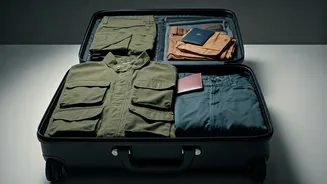
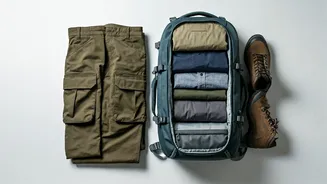
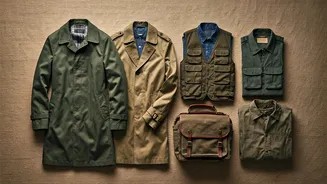
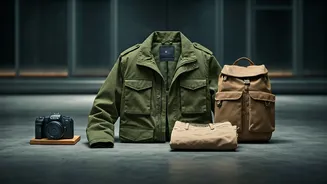
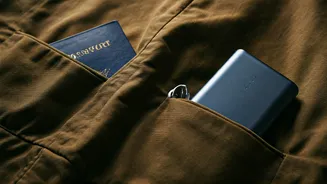
Pockets are not a mere detail; they are a declaration of independence. In an era of streamlined travel, the ability to move through an airport or a new city with your hands free is the ultimate luxury. Deep, functional pockets in trousers, coats, and even dresses liberate you from the tyranny of constantly clutching a bag. They are practical hiding spots for your passport, phone, and boarding pass during the security scramble, or for a room key and credit card while exploring a new neighborhood. The fashion world has responded with a renaissance of “utility chic.” The cargo pant, once relegated to the 2000s, is back in sleek, tailored cuts. The classic trench coat and the versatile chore jacket are being designed with cavernous, secure pockets in mind. This principle is about strategic dressing. Choosing a jacket with a hidden interior pocket or pants with a secure zip closure isn't just a style choice—it's a travel hack. It reduces your mental load and your vulnerability, allowing you to be more present and engaged with your surroundings.
Designed for Unrestricted Movement
Travel is, by its very nature, an active pursuit. It involves hoisting luggage into overhead bins, sprinting to catch a connection, folding yourself into an Uber, and wandering for hours down cobblestone streets. Your clothing should facilitate this, not fight it. The principle of “movement” goes beyond simple stretch; it’s about silhouette and construction. The skinny, restrictive pants that once dominated runways and terminals have given way to more forgiving shapes. Flowing wide-leg trousers, culottes, and elegantly draped midi skirts allow for a full range of motion. For men, tapered joggers made from technical fabrics and trousers with a gusseted crotch offer a blend of sartorial sharpness and athletic freedom. This design philosophy acknowledges the physicality of travel. An outfit that allows you to sit cross-legged on a layover, bend down to tie your shoe without a struggle, and take long, confident strides through a museum is the mark of a truly savvy traveler. It’s a quiet confidence that comes from knowing your outfit is working with you, not against you.
Building Your Travel Uniform
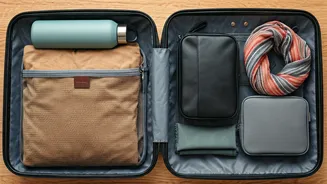
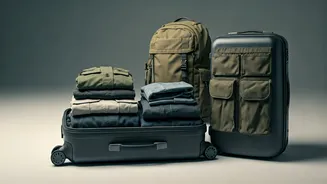
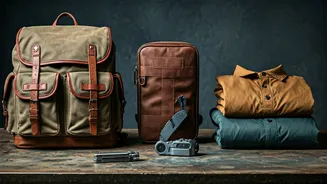
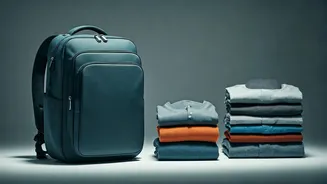
The magic happens when these three pillars work in concert. The perfect travel outfit isn't just one item, but a layered system where each piece serves a purpose. Start with a base layer that embodies both comfort and movement, like a pair of high-quality knit trousers. Add a top in a breathable, natural fabric. Your crucial third piece, like an unstructured blazer or a lightweight trench coat, is where you can secure the “pockets” element. The goal is to build a small capsule of items that check all three boxes. A single pair of well-designed pants can offer a flattering silhouette (movement), deep pockets (utility), and a soft, flexible waistband (comfort). When packing, evaluate each item against this trinity. Does it feel good on your skin? Can you move freely in it? Does it serve a practical purpose? If an item fails on any of these fronts, it probably doesn’t deserve the valuable real estate in your suitcase.