



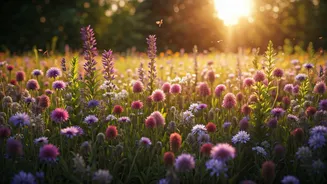


The Backyard Biome Boom
Across the country, a growing number of gardeners are rethinking what a beautiful yard looks like. They’re trading in popular but often ecologically sterile exotic ornamentals for plants that belong in their local landscape. This isn't just about aesthetics;
it's a movement driven by a desire for sustainability, biodiversity, and a deeper connection to nature. Instead of fighting to keep a delicate rose bush alive in the arid Southwest, they’re planting desert marigolds. In place of English ivy in the Northeast, they’re choosing native Virginia creeper. This trend, known as native planting or rewilding, is transforming personal green spaces from simple decoration into functioning ecosystems, one yard at a time.
Native vs. Non-Native vs. Invasive
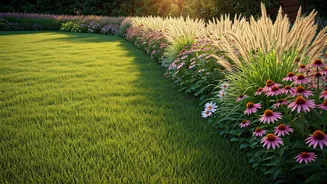
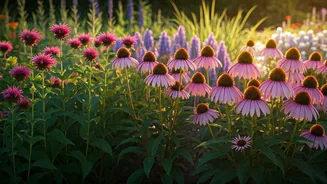
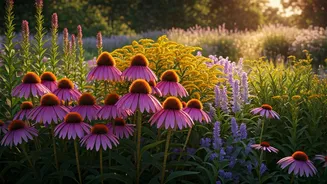
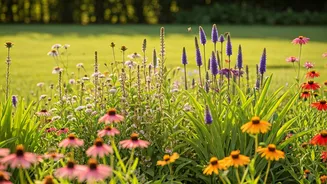
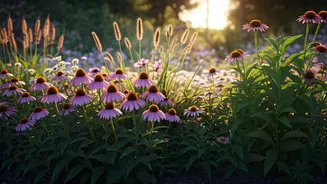
To understand the movement, it’s crucial to know the terms. A “native” plant is one that has evolved over hundreds or thousands of years in a particular region or ecosystem. Think purple coneflowers on the prairies or California poppies in the West. A “non-native” or “exotic” plant is simply one introduced from another part of the world, like the beloved hostas and daylilies that originated in Asia. Most exotics are harmless and well-behaved. However, a small subset of non-natives become “invasive.” These are the bullies of the plant world—aggressive species like English ivy or Japanese barberry that escape cultivation, outcompete native plants for resources, and disrupt the local food web, costing billions in environmental damage and control efforts annually.
More Than Just Pretty Petals
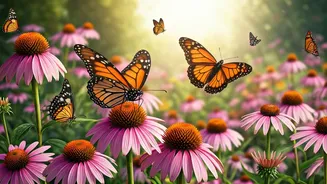
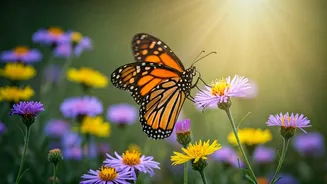
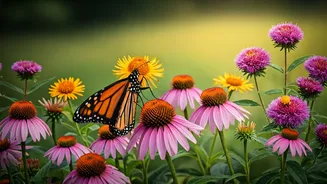
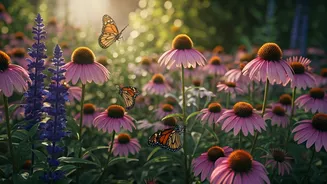
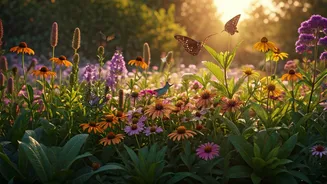
The primary driver behind the native plant movement is ecological. Native plants form the foundation of the local food web. Native insects, such as bees and butterflies, have co-evolved to feed on specific native plants. For example, the monarch butterfly caterpillar can only eat milkweed. When we plant a yard full of exotics, we essentially create a food desert for these vital pollinators. According to entomologist Doug Tallamy, a leading voice in this movement, a native oak tree can support over 500 species of caterpillars, which in turn become critical food for songbirds. A non-native ginkgo tree, by contrast, supports almost none. By planting natives, gardeners provide essential food and habitat, helping to sustain bird populations, support pollinators, and build a more resilient local environment.
The Low-Maintenance Appeal
Beyond the ecological benefits, there’s a powerful practical argument for going native: it’s often easier. Native plants are, by definition, perfectly adapted to the local climate. They are built to survive your region’s rainfall patterns, soil types, and temperature extremes. This means they typically require less watering once established, little to no fertilizer, and fewer pesticides. They have natural defenses against local pests and diseases. For the gardener, this translates to less time, less money, and less work spent coddling fragile plants that aren't suited for the environment. Instead of fighting nature with sprinklers and chemicals, native gardening is about working with it, creating a landscape that largely takes care of itself.
Redefining Garden Beauty
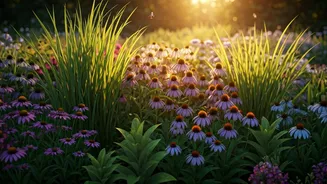
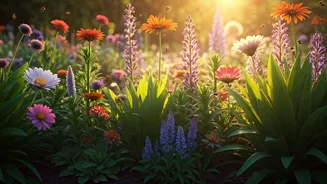
For many, the biggest hurdle is letting go of a preconceived notion of beauty—often a tidy, European-style garden. Native gardens can look less formal and more natural, with a beauty that changes throughout the seasons. It’s about appreciating the subtle grace of prairie grasses swaying in the wind, the vibrant burst of a wildflower meadow in spring, or the sight of goldfinches feasting on the seed heads of fall asters. This aesthetic shift is about finding beauty not just in a perfect bloom, but in a garden that is alive with buzzing bees, fluttering butterflies, and chirping birds. It’s a yard that tells a story about the place it belongs to.