






The New Digital Sanctuary
On any given night, thousands of people, many of them under 30, are logging onto YouTube, Twitch, and TikTok not for video games or viral dances, but for a decidedly different kind of content: live devotional chanting. These sessions, often rooted in Eastern
traditions like Hinduism and Buddhism, feature musicians leading call-and-response chants known as kirtan or bhajans. The format is simple and participatory. A leader sings a mantra, and the virtual audience, connected via a rolling chat feed, sings it back. Unlike a pre-recorded track on Spotify, the appeal is its liveness. It’s an ephemeral, shared experience. Viewers type “om shanti” into the chat, send heart emojis, and greet each other. It’s a digital ashram, a space that blends the sacred and the social, creating a sense of presence and collective energy that transcends physical distance.
An Antidote to Digital Burnout
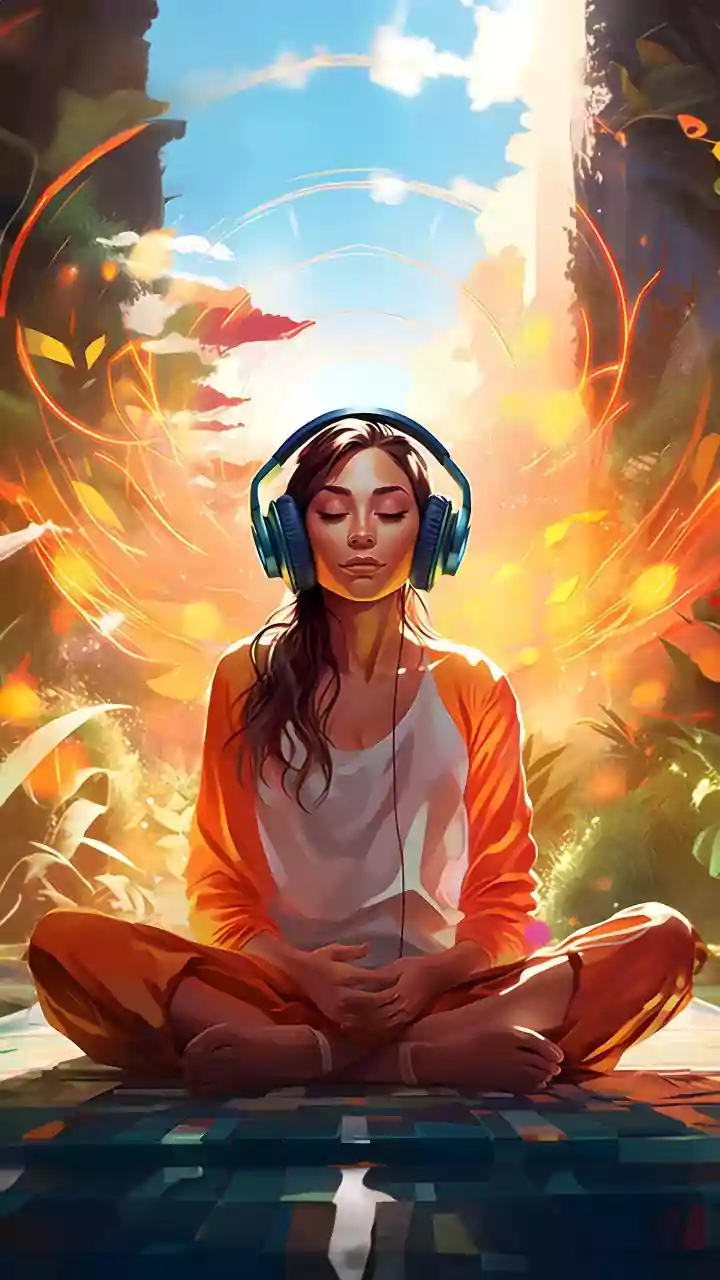
It’s no secret that Gen Z is widely reported as the most anxious and digitally inundated generation. Raised on the internet, they are fluent in its language but are also uniquely aware of its psychological toll—the endless scrolling, the comparison culture, and the pressure to maintain a curated online identity. For many, these chanting sessions function as a powerful antidote. The repetitive nature of a mantra is a form of focused meditation. It gives the racing mind a simple, singular task, pulling the individual out of their chaotic thoughts and into the present moment. It’s an embodied practice, even when done virtually. The act of using one’s own voice creates a physical vibration, a grounding sensation that endless streams of visual content cannot replicate. It’s a tool for self-regulation, offered freely in the very digital spaces that often cause the dysregulation.
Spirituality Without the Institution
This trend is also a clear expression of the “spiritual but not religious” identity that has become a hallmark of younger generations. Traditional religious institutions are often perceived by young people as rigid, judgmental, or out of touch. Live-streamed kirtan offers the opposite: it’s radically accessible and non-committal. There are no doctrines to subscribe to, no dress codes to follow, and no one taking attendance. A user can join anonymously from their bed, engage as much or as little as they feel comfortable with, and leave without consequence. The focus is on personal experience rather than theological belief. It provides the core benefits of religious community—ritual, shared purpose, and emotional connection—without the institutional baggage that has alienated so many. This a la carte approach allows them to build a spiritual practice that feels authentic and personally meaningful.
From Counterculture to Corecore
While the sight of a 22-year-old chanting along to a YouTube stream might seem novel, it’s part of a long American tradition of adopting and adapting Eastern spiritual practices. What the Baby Boomers discovered through figures like Ram Dass and The Beatles, Gen Z is rediscovering through influencers and algorithms. The key difference is the medium and the aesthetic. The 1960s counterculture framed these practices as a rebellion against mainstream society. Today’s version is less about rebellion and more about integration. It fits seamlessly into a digital native’s life, nestled between a video game stream and a TikTok “get ready with me” video. It’s another piece of content, yet one that serves a deeper need. It speaks the language of modern internet culture—participatory, community-driven, and focused on authentic, unpolished experience—while drawing from a wellspring of ancient wisdom.