





Moving Beyond the Buffet Line
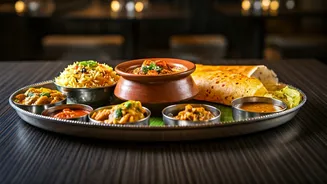
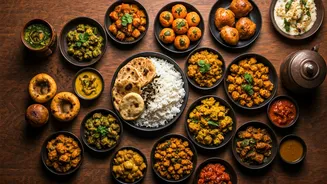
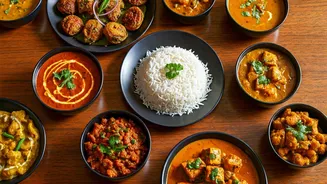
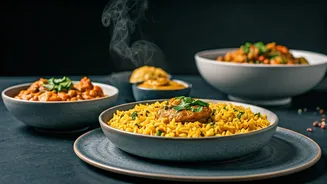
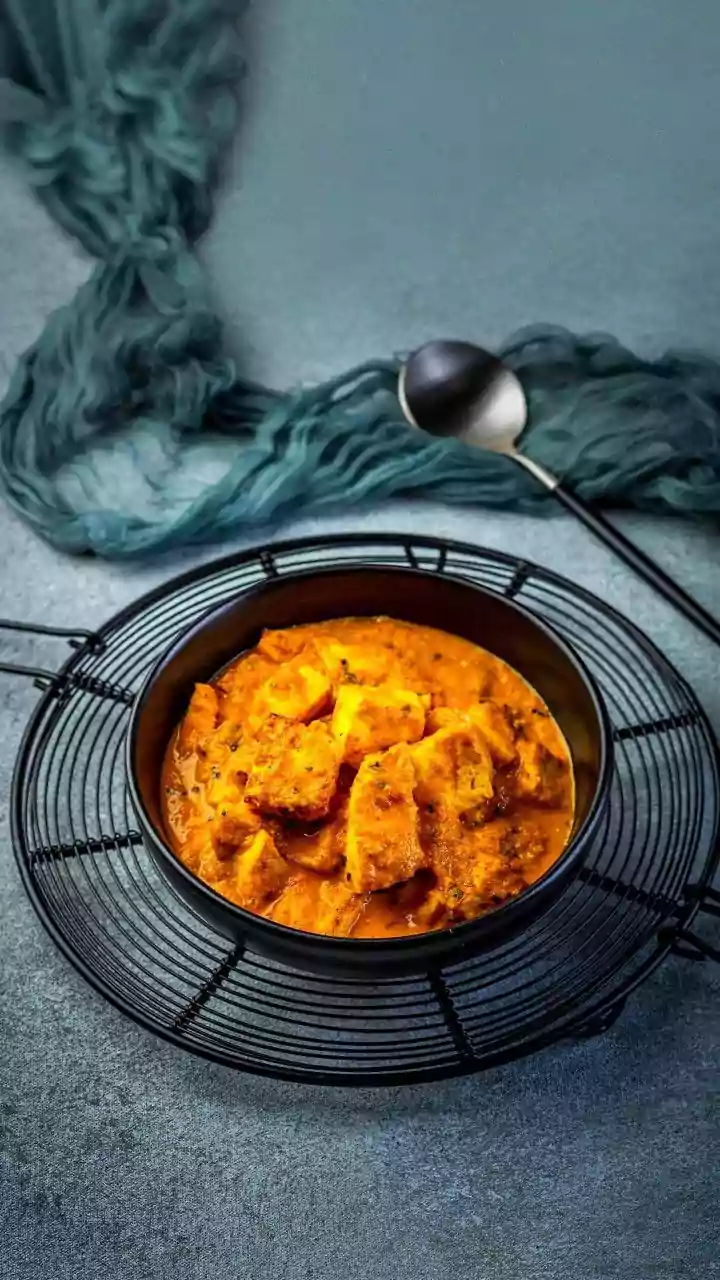
Let’s be honest. For many Americans, the experience of Indian food was long defined by the all-you-can-eat lunch buffet. It was a parade of greatest hits, almost always from the Punjabi region of Northern India: buttery naan, creamy tikka masala, deep-fried
samosas, and palak paneer swimming in rich sauce. While delicious, this representation was a caricature—akin to thinking all Italian food is spaghetti and meatballs. It was food designed to be hearty, filling, and, frankly, a bit one-note. The complexity and regional diversity of one of the world's great cuisines were flattened into a single, overwhelming flavor profile heavy on cream, ghee, and assertive spice. This wasn't a malicious act; it was a business decision. Early Indian restaurateurs in the U.S. catered to a palate that expected richness and a specific, familiar set of dishes. It worked, establishing a foothold for the cuisine. But in the process, it cemented a stereotype of Indian food as an indulgent, once-in-a-while affair, not something you’d eat on a regular Tuesday.
The 'Sensible' Revolution
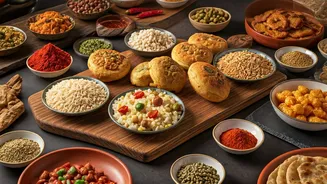
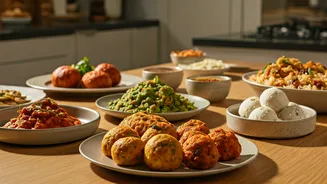
The shift toward “sensible” is the most noticeable change. A new generation of chefs, many of them Indian-American, is questioning the necessity of all that fat and heaviness. They grew up eating a different kind of Indian food at home—lighter, more vegetable-forward, and regionally specific. Now, they’re bringing that home-style sensibility to their restaurants. This translates to dishes that use yogurt instead of heavy cream for tang and texture, techniques like grilling and roasting instead of just frying, and a renewed focus on the incredible diversity of India's vegetarian traditions. You’re seeing menus highlight lentils, gourds, and leafy greens in ways that feel modern and align with today's wellness-focused diners. A daal might be lighter and brighter, seasoned with a delicate tadka (tempered spices in hot oil) rather than stewed for hours in butter. This isn’t about health food sacrificing flavor; it’s about revealing the flavor that was buried under all the richness. It’s making Indian food feel less like a guilty pleasure and more like everyday nourishment.
What 'Soft' Really Means
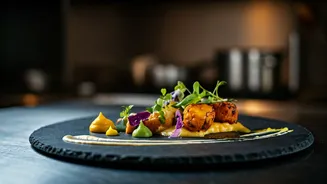
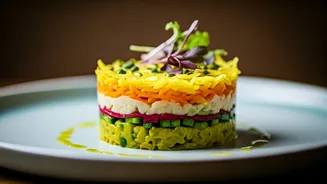
The term “soft” might sound like a criticism, implying that the food has been dumbed down or made bland for American tastes. But that’s not what’s happening. In this new context, “soft” means nuanced. It’s about trading a sledgehammer of spice for a more intricate, layered approach. Instead of just heat, chefs are exploring the aromatic, floral, and earthy notes of individual spices. Cardamom, fennel, and coriander get their moment to shine, rather than being overpowered by chili and garam masala. This softness also applies to texture and presentation. Think of a classic dish like malai kofta, where deep-fried potato-and-paneer balls sit in a heavy cream sauce. A modern version might feature a pan-seared, delicate dumpling in a lighter, vegetable-based gravy. The comfort is still there, but it’s more refined. It’s the difference between a bear hug and a gentle embrace. The food is no less Indian; it’s just speaking in a more sophisticated, less shouty voice.
The Chefs Leading the Change
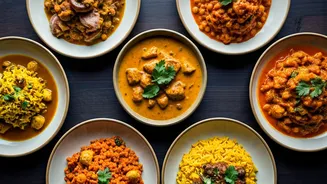
This evolution isn’t happening in a vacuum. It’s being driven by visionary chefs across the country who are proud of their heritage but not constrained by tradition. Figures like Chintan Pandya of New York’s Dhamaka and Semma have gained acclaim by focusing intensely on forgotten or hyper-regional Indian cuisines, serving dishes that most Americans—and even many Indian-Americans—have never heard of. Others are weaving their American upbringing into the fabric of their food, creating brilliant hybrids that feel both authentic and entirely new. These chefs aren’t just cooking; they’re educating. They’re deconstructing the myth of a single “Indian curry” and presenting the cuisine in its true form: a vast, varied, and adaptable culinary world. They understand that a dish doesn't need to be a carbon copy of a 200-year-old recipe to be authentic. Authenticity can also lie in the spirit of the food and the intention of the cook—to nourish, to comfort, and to delight.