

From Communal Hub to Personal Haven
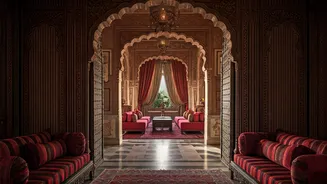
Historically, the Indian home has been a symphony of shared existence. Spaces were designed not for the individual, but for the collective—the joint family. Living rooms weren't just for watching television; they were for morning prayers, afternoon naps,
evening chai with neighbors, and hosting a constant stream of relatives. Bedrooms often housed multiple generations. This design philosophy prioritized connection, function, and flexibility over the Western ideal of private, single-purpose rooms. The result is a home that feels alive and full of energy, but one that can sometimes feel short on personal peace. The modern challenge isn't to erase this communal spirit, but to adapt it for a generation that increasingly values individualism and mental wellness.
Finding Flow in a Multi-Purpose World
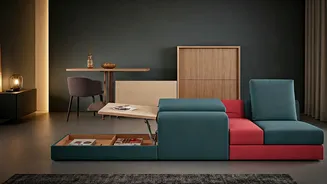
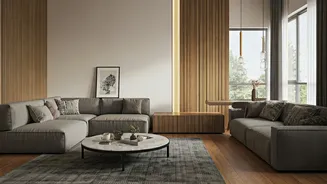
“Flow” in Western design often means open-concept layouts and clear sightlines. In a traditional Indian home, achieving flow is a more nuanced art. It’s not about knocking down walls, but about creating clear, intuitive pathways through spaces that serve many masters. A common scenario is a living area cluttered with furniture that obstructs movement because it's trying to be a formal sitting room, a TV lounge, and a children’s play area all at once. The solution starts with zoning. Use area rugs to visually separate the “formal” seating area from the “casual” lounging spot. Opt for lighter, multi-functional furniture—a storage ottoman instead of a heavy coffee table, or nesting stools that can be tucked away. The goal is to allow energy and people to move freely, reducing the daily friction of navigating a space that’s working too hard.
Carving Out a Modern Sanctuary
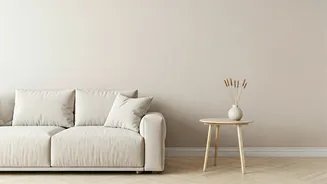
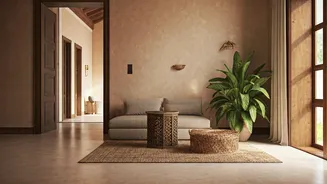
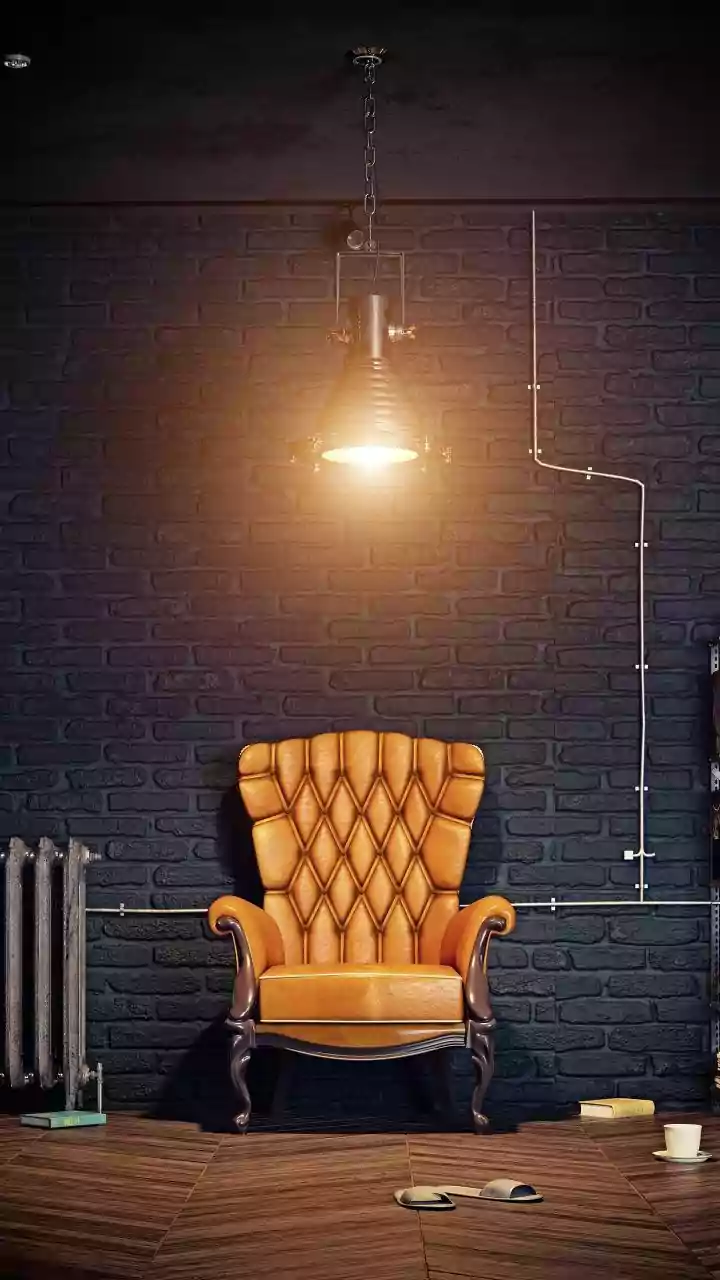
The idea of a “restful corner” is perhaps the most crucial modern addition to the Indian home. This isn't about overhauling a whole room; it’s about claiming a small, sacred slice of territory for quiet contemplation. It could be a comfortable armchair and a lamp tucked into a bedroom corner, a small bench on a balcony surrounded by plants, or even a designated floor cushion by a window with a good view. This space becomes a psychological refuge—a place for reading a book, sipping tea in silence, or simply breathing without interruption. In a home bustling with activity, this personal nook acts as a vital pressure-release valve. It’s a modern, secular interpretation of the traditional ‘pooja’ or prayer corner, offering spiritual replenishment in a different, but equally important, way.
Curating Culture, Not Clutter
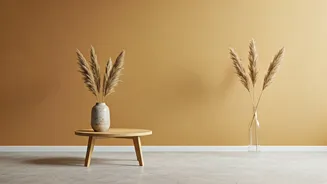
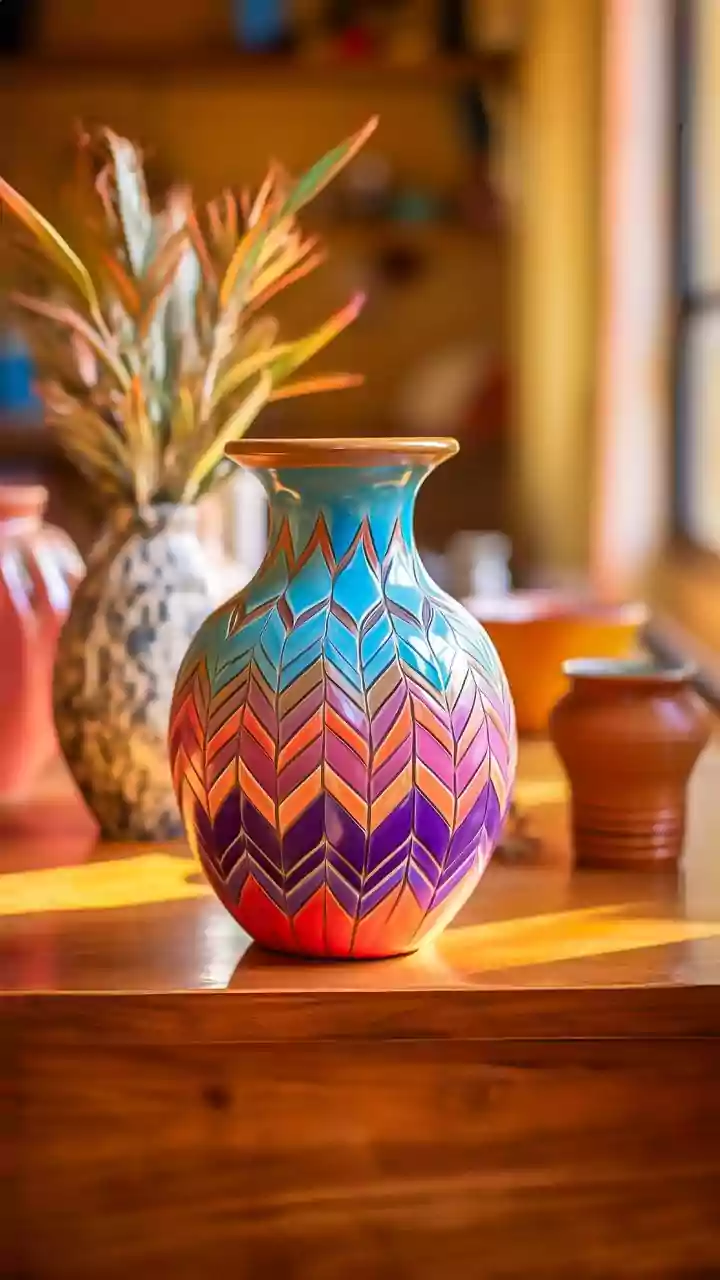
Indian homes are often rich repositories of art, heirlooms, and religious artifacts. Each piece tells a story, but when displayed all at once, the stories can get lost in a sea of visual noise. The shift from accumulation to curation is key to creating a restful environment. Instead of lining every available surface with memorabilia, choose a few significant pieces to highlight. Create a dedicated “gallery wall” for family photographs rather than scattering them across different rooms. Rotate decorative items seasonally, allowing you to appreciate them anew. This approach doesn't diminish the importance of heritage; it elevates it. By giving meaningful objects their own space to shine, you transform potential clutter into a powerful, personal museum of your family’s history, making the entire home feel more intentional and serene.