


The Story on Your Plate
Not long ago, the journey of our food was largely a mystery. A tomato was just a tomato, its origins unknown, its cross-country trek hidden behind a uniform, glossy sheen. The rise of local sourcing, often called the “farm-to-table” movement, is a direct
response to this anonymity. It's a philosophy that champions a shorter, more transparent supply chain, connecting the diner not just with the chef, but with the farmer, the soil, and the season. While it started as a high-minded concept in pioneering kitchens like Alice Waters’ Chez Panisse in California, it has blossomed into a mainstream expectation. Diners are no longer just seeking a good meal; they’re seeking a meal that feels good, one rooted in a tangible place and a clear set of values. This shift transforms a simple menu listing into a narrative, offering a taste of the region’s agricultural identity.
A Difference You Can Taste
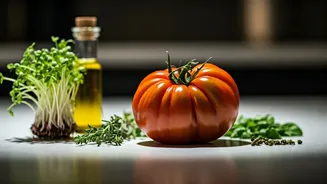
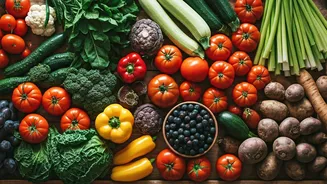
The most immediate and undeniable benefit of local sourcing is flavor. It’s the difference between a strawberry that tastes like sweet, sun-drenched perfume and one that offers only a watery hint of its potential. Produce destined for long-haul shipping is often picked weeks before its peak, bred for durability rather than taste, and sometimes artificially ripened with gas. In contrast, locally sourced fruits and vegetables can be harvested at their absolute prime—when their natural sugars, nutrients, and aromatic compounds are at their zenith—and be on a plate within 24 to 48 hours. This radically shortened timeline means you’re experiencing the ingredient as the farmer and chef intended. That vibrant sweetness in a summer corn soup or the crisp, peppery bite of freshly picked arugula isn’t a culinary trick; it’s the direct result of a shorter trip from field to fork. The freshness is palpable, elevating a dish from simply good to truly memorable.
Eating with a Conscience
Beyond the sensory upgrade, local sourcing delivers a powerful sense of responsibility. By choosing a restaurant that prioritizes local farms, diners are participating in a more sustainable and equitable food system. Environmentally, it means a smaller carbon footprint. The concept of “food miles”—the distance ingredients travel from where they are grown to where they are eaten—becomes a powerful metric. Reducing this distance means less fuel consumption, less refrigeration, and often less packaging. Economically, the impact is just as profound. Money spent at a restaurant that buys locally tends to stay local, creating a multiplier effect that supports small family farms, preserves rural landscapes, and strengthens the community's economic resilience. It’s a vote with your wallet for a system that values people and place over the efficiencies of industrial agriculture. That knowledge adds a layer of satisfaction to the meal that has nothing to do with salt or fat—it’s the taste of making a difference.
A Partnership in Flavor
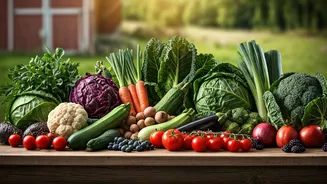
The magic of local sourcing also lies in the creative partnership it fosters between chefs and farmers. When a chef can call a farmer and ask, “What looks best this week?” the menu becomes a living document, changing in real-time to reflect the best of the season. This direct relationship allows for a level of collaboration impossible in a conventional supply chain. Farmers can grow unique, often delicate heirloom varieties that wouldn't survive long-distance shipping, providing chefs with an exclusive palette of flavors, colors, and textures. A chef might get inspired by an unexpected bounty of squash blossoms or a particularly sweet crop of baby carrots, leading to spontaneous, one-of-a-kind dishes. This connection ensures not only peak freshness but also unparalleled culinary creativity, giving diners a unique experience that is genuinely tied to a specific time and place.