

The Power of Pulses
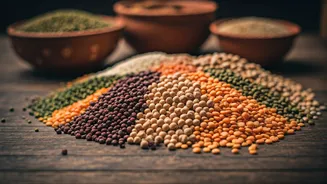
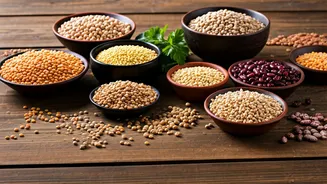
At the heart of the Indian pantry are lentils, beans, and peas, collectively known as dal. These aren't just a cheap source of plant-based protein; they're an environmental powerhouse. As legumes, they are nitrogen-fixing crops, meaning they naturally
enrich the soil they grow in, reducing the need for chemical fertilizers. A well-stocked pantry with a few varieties—like versatile red lentils (masoor), earthy yellow split peas (chana dal), and hearty chickpeas (chole)—forms the foundation for countless meals. From simple, comforting dal recipes to complex curries and savory pancakes, pulses provide a filling, nutritious base that minimizes reliance on meat and supports healthier agricultural cycles.
Whole Spices, Maximum Flavor
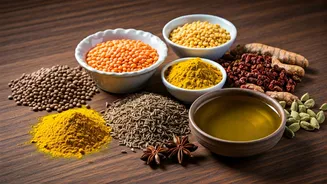
Forget the dusty jars of pre-ground powders. A sustainable Indian pantry prioritizes whole spices like cumin seeds, coriander seeds, cloves, and cinnamon sticks. Buying whole spices is often more economical and they retain their potent flavor and aroma for much longer, reducing waste. Toasting them just before grinding or adding them whole to hot oil (a technique called tadka or tarka) unlocks a depth of flavor that pre-ground spices simply can't match. This approach means you use less to achieve more, creating vibrant, satisfying dishes that don't depend on single-use packaged sauces or flavorings. It’s a masterclass in creating abundance from a few simple, shelf-stable ingredients.
Ghee: A Mindful, Multipurpose Fat
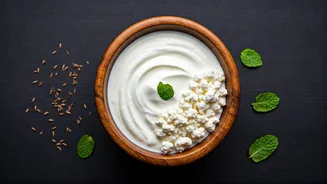
Ghee, or clarified butter, is a cornerstone of Indian cooking that embodies the principle of resourcefulness. The process of making it—slowly simmering butter to remove milk solids—creates a pure, nutty-flavored cooking fat with a high smoke point and a long shelf life, eliminating the need for refrigeration. This act of transformation turns a perishable dairy product into a stable pantry staple. While used more sparingly than commercial cooking oils, its rich flavor means a little goes a long way for sautéing spices or finishing a dish. It represents a philosophy of using high-quality, minimally processed ingredients with intention and respect, a core tenet of sustainable eating.
The Grain Foundation
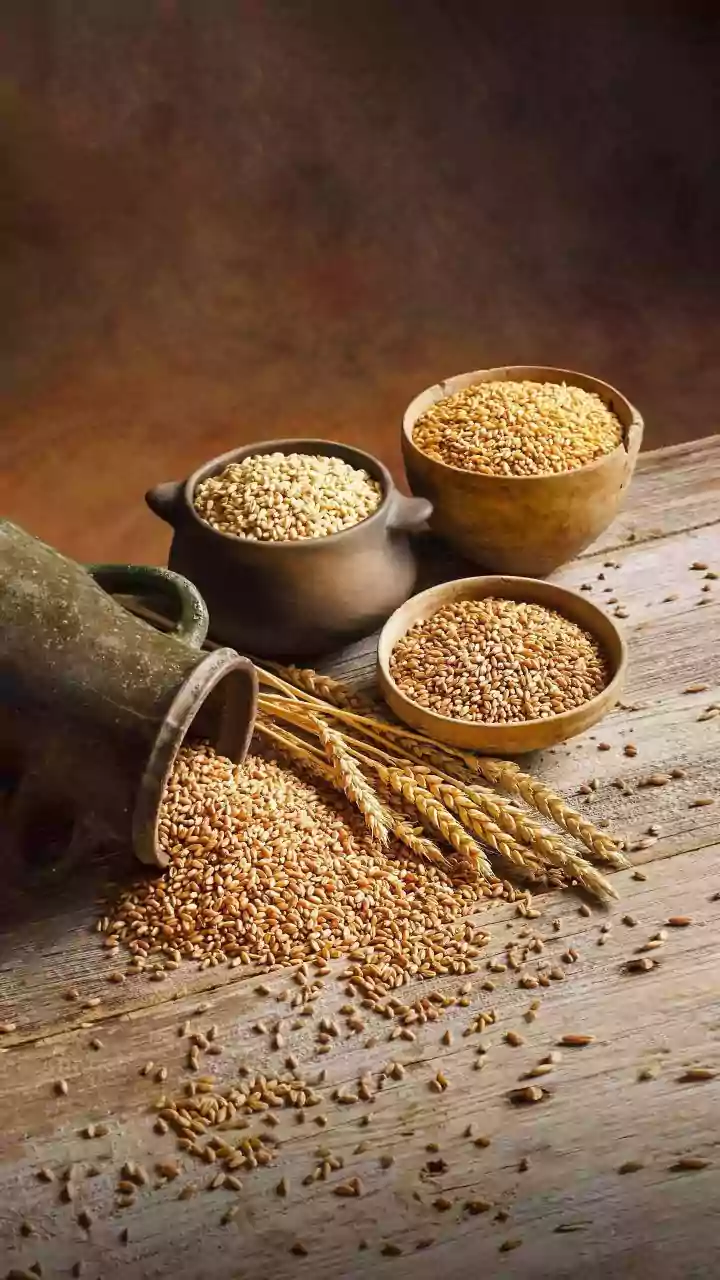
Rice and whole wheat flour (atta) are the humble, load-bearing pillars of the Indian diet. They are the canvas upon which the flavors of dals and vegetables are painted. Keeping bags of basmati rice and atta on hand means a filling meal is never more than 20 minutes away. This reliance on bulk, dry goods dramatically cuts down on packaging waste compared to a diet built around ready-made meals and processed carbs. Furthermore, the practice of using leftover rice for dishes like lemon rice or fried rice, and using every last bit of dough, reinforces a zero-waste mindset in the kitchen.
Pickles and Preserves (Achaar)
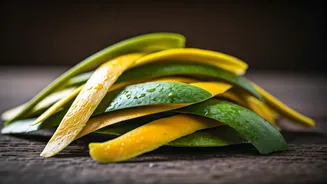
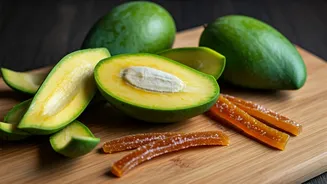
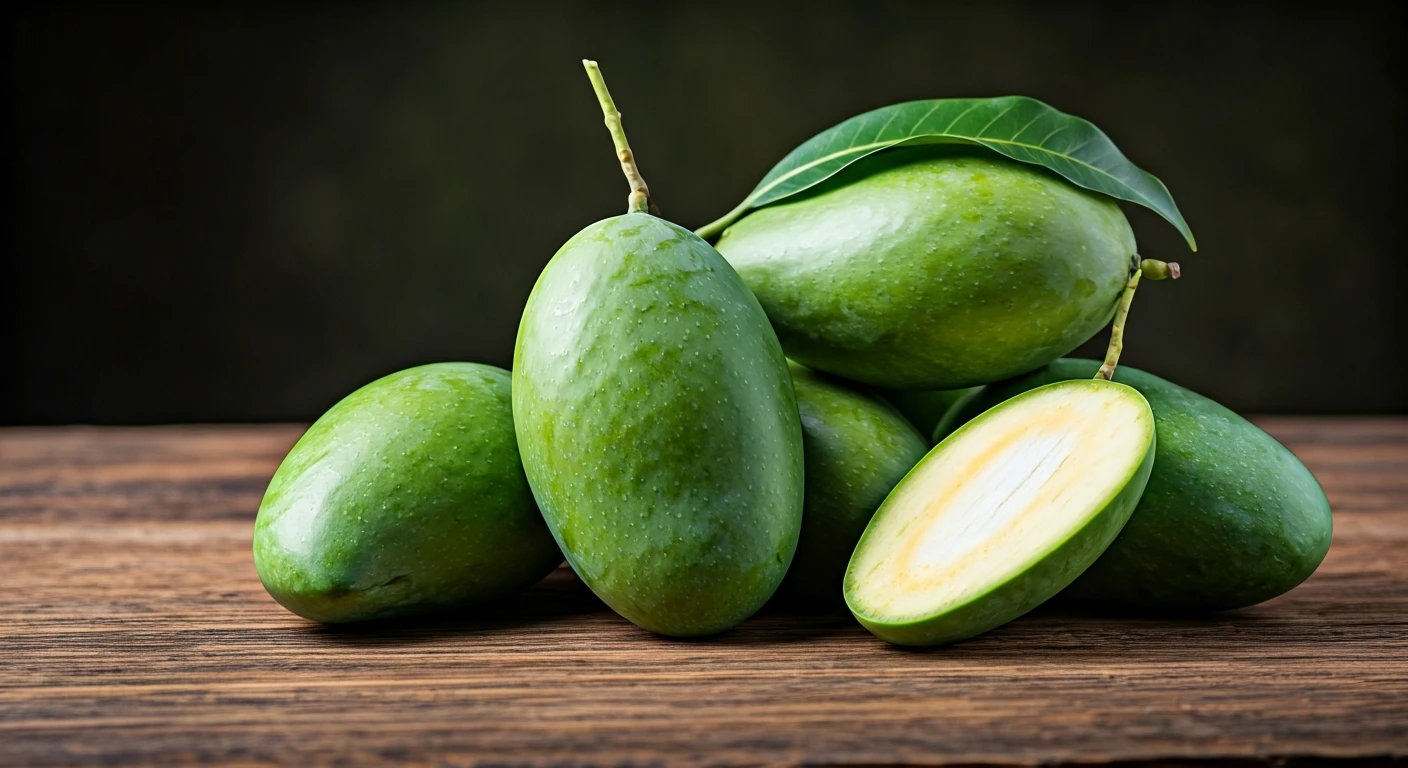
Long before refrigeration was standard, Indian households mastered the art of pickling to preserve the seasonal bounty. Achaar, the fiery and complex Indian pickle, can be made from almost anything—unripe mangoes, limes, carrots, chilis, and even lotus root. Using salt, oil, and spices as natural preservatives, this technique extends the life of produce for months or even years. A small spoonful of achaar can electrify a simple meal of dal and rice, adding a burst of flavor without needing fresh ingredients. It’s the ultimate expression of “waste not, want not,” turning potential food scraps and seasonal gluts into a treasured, shelf-stable condiment.