





The New Climate Reality for Fitness
It’s not your imagination: working out outdoors has become a logistical and physical challenge for millions of Americans. Two primary environmental factors are driving this massive behavioral shift: record-breaking heat and hazardous air quality. Searing
“heat domes” that park over entire regions for weeks at a time are making midday and even evening exercise dangerous. The National Weather Service regularly issues heat advisories that warn against strenuous activity, turning what was once a simple run into a risky gamble. Compounding the heat are the increasingly frequent and widespread wildfires, which blanket cities thousands of miles away in a thick, unhealthy haze. The Air Quality Index (AQI), once an obscure metric, is now a crucial part of daily planning. When the AQI creeps into the “Unhealthy for Sensitive Groups” or “Unhealthy” ranges, public health officials advise everyone to limit outdoor exertion. For the dedicated athlete or casual jogger, this means the simple act of breathing fresh air during a workout is no longer a given. The result is a nationwide migration of movement—either indoors to climate-controlled spaces or into the cool, dark hours of the early morning.
Joining the 5 a.m. Club
For those who can’t give up the feeling of an outdoor workout, the solution has been to radically shift their schedules. The “5 a.m. club” is no longer just for high-powered CEOs; it’s now populated by runners, cyclists, and boot camp groups trying to squeeze in their miles before the sun gets high enough to become oppressive. In cities from Phoenix to Austin, running groups that once met at 6 p.m. have shifted their start times to 5:30 a.m. to take advantage of the coolest part of the day. This shift isn't without its own set of challenges. It requires a complete recalibration of one’s daily rhythm—earlier bedtimes, pre-dawn alarms, and planning meals and hydration the night before. But for many, the trade-off is worth it. The pre-dawn air is cooler, the streets are quieter, and there's a unique sense of accomplishment in having your workout done before most of the world has woken up. It’s a discipline born of necessity, a testament to the powerful human drive to keep moving, even when the environment makes it difficult.
The Great Indoors: Your New Options
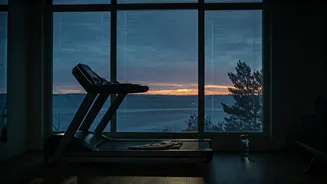
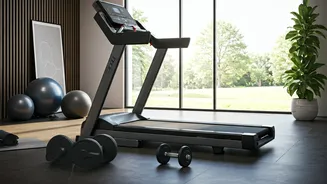
For a growing number of people, the answer isn’t to wake up earlier—it’s to head inside. This has revitalized some fitness spaces and reinforced the value of others. The most obvious beneficiary is the traditional gym. After years of competing with outdoor bootcamps and boutique studios, the big-box gym with its reliable air conditioning and filtered air is once again a sanctuary. It offers a predictable, safe environment where you can run on a treadmill, lift weights, or take a class without ever checking a weather app. At the same time, the at-home fitness trend, which exploded during the pandemic, has found a new purpose. A stationary bike, a set of adjustable dumbbells, or a library of streaming yoga classes provides the ultimate convenience and climate control. You can work out during a heatwave or when the air outside is thick with smoke, all from the comfort of your living room. This dual trend—a return to the gym and a doubling-down on home equipment—shows that people are building resilience into their fitness routines, creating multiple options to ensure they never have to miss a workout due to weather.
How to Adapt Safely
Whether you’re heading out at dawn or staying inside, adapting your routine requires a smart approach. First, become fluent in weather and air quality data. Download a reliable weather app and an air quality app like AirNow or PurpleAir. A quick check of the heat index (what the temperature *feels like* with humidity) and the AQI should be a non-negotiable part of your pre-workout routine. If you choose to exercise outdoors, hydration is paramount. Start hydrating the day before and drink plenty of water before, during, and after your workout. Wear light-colored, loose-fitting, and moisture-wicking clothing to help your body stay cool. Most importantly, learn to recognize the signs of heat-related illness. Dizziness, nausea, headache, and confusion are all red flags. Heat exhaustion can quickly progress to heatstroke, which is a medical emergency. The smartest athletes know when to push themselves and when to call it quits and head inside.