


The Unofficial National Cuisine
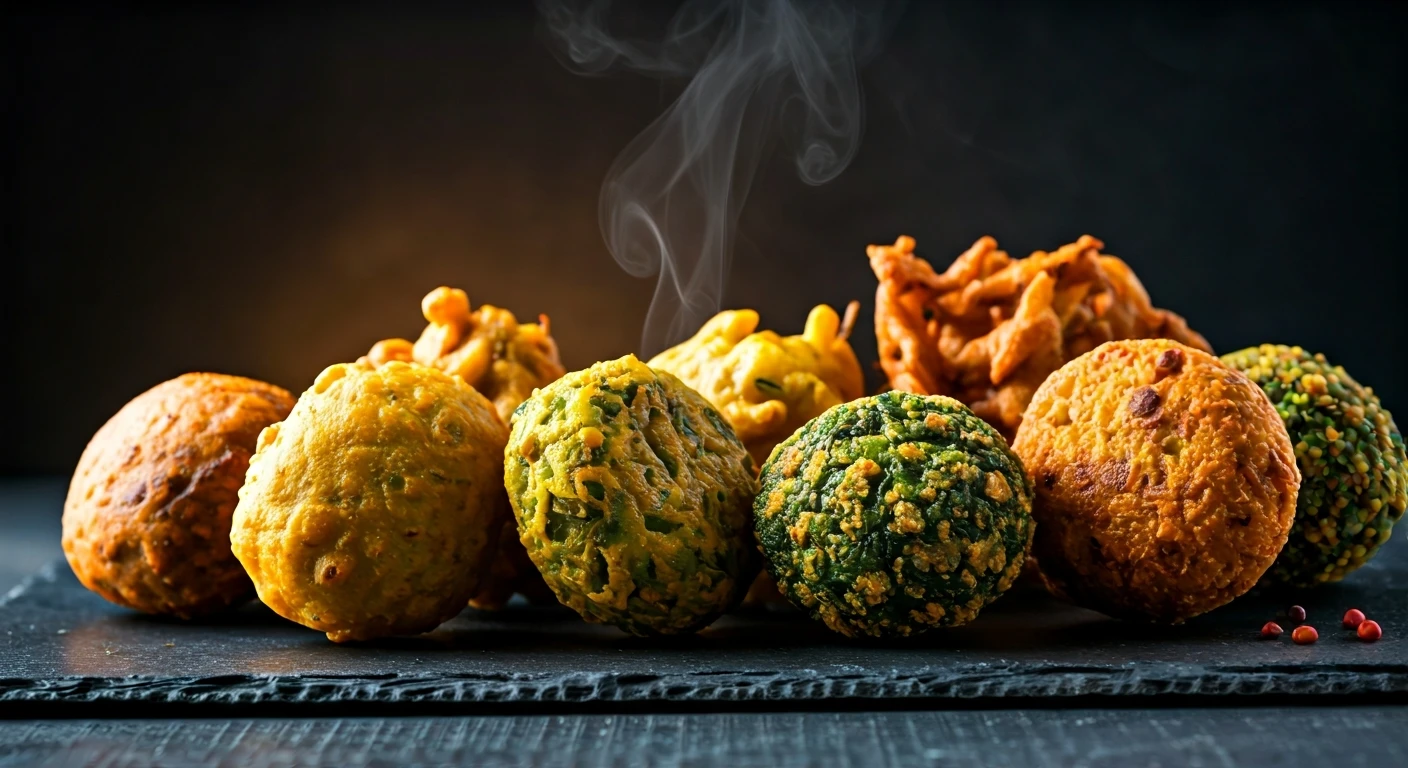
In India, street food isn’t just a quick bite; it’s a cultural institution. From the crispy, hollow spheres of *pani puri* filled with tamarind water to the spicy potato fritter of a *vada pav*, these foods are woven into the fabric of daily life. Known
collectively as *chaat*, these snacks are an assault on the senses in the best possible way—a complex layering of textures and tastes that are simultaneously sweet, sour, spicy, and savory. This isn't just food; it’s an experience, shared on street corners, customized by vendors who have perfected their recipes over generations. For decades, this vibrant culinary world existed almost entirely outside the formal, packaged economy. It was fresh, fast, and hyperlocal.
The Billion-Dollar Palate
So, what changed? A perfect storm of economic and social shifts. India’s massive, young population has more disposable income than ever before. Urbanization and hectic work schedules have created an insatiable demand for convenience. While the love for traditional flavors remains, the desire for hygienic, branded, and readily available options has skyrocketed. Food companies saw the disconnect: a deep national love for flavors that were largely unavailable in a standardized, packaged format. The Indian snacks market is now valued at over $15 billion and growing, with traditional flavors—once the domain of the street vendor—becoming the hottest segment. Brands realized that to win the Indian consumer, they couldn't just sell them generic potato chips; they had to sell them a memory, a taste of home, a piece of the street.
From Cart to Chip Aisle
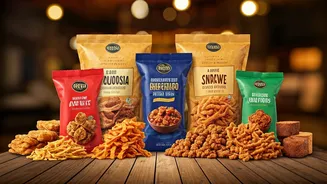
The result is a fascinating flavor explosion in the snack aisle. PepsiCo’s Lay’s, a dominant player, moved far beyond its classic American flavors, launching local hits like “Magic Masala” and going even deeper with regional profiles like “Dilli Chaat” (Delhi-style street snack) and “Mumbai’s Vada Pav.” Its sister brand, Kurkure, has built an empire on snacks that mimic the taste and texture of fried Indian savories. They’re not alone. Local behemoths like ITC and Haldiram’s are fiercely competing, launching their own lines of chips and extruded snacks flavored with everything from *bhel puri* (a puffed rice snack) to *golgappa* (another name for *pani puri*). These aren’t subtle hints of flavor; they are bold, direct attempts to replicate the complex spice blends—mint, coriander, black salt, chili, tamarind—that define Indian street food.
The Authenticity Challenge
But can a factory-produced snack ever truly capture the soul of the street? That’s the central challenge. A key part of the street food experience is its freshness, the textural contrast of crispy, soft, and crunchy elements, and the theater of watching it being made. A vendor will ask if you want it spicier or sweeter, customizing it on the spot. A bag of chips, by its nature, is uniform and shelf-stable. While food scientists work wonders with flavor powders and additives, replicating the wet-and-dry alchemy of a freshly made *dahi puri* (yogurt-covered snack) in a dry chip is a near-impossible task. For many consumers, these snacks are a satisfying-enough substitute for when the real thing isn't an option. They capture the flavor *profile*, if not the full experience. The success of these products shows that for a generation on the go, a convenient, well-executed tribute is often good enough.