

What Exactly Is Soilless Planting?
At its core, soilless planting—also known as hydroponics or semi-hydroponics—is exactly what it sounds like: growing plants without using traditional potting soil. Instead of dirt, plants are situated in an inert growing medium that provides structure
for the roots. These mediums don't provide nutrients on their own; instead, the plant gets everything it needs from a nutrient-infused water solution.
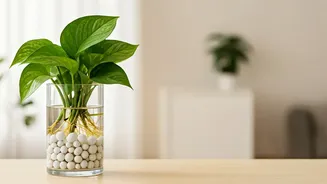
This might sound like a futuristic science experiment, but the concept is surprisingly simple and accessible for the average home. It’s not about complex labs with tubes and pumps (though it can be!). For most of us, it means swapping a bag of potting mix for materials like clay pebbles, mineral rock, or even just a vase of water. This shift from soil to substrate is the foundation of the “guilt-free” greenery experience.
The 'Guilt-Free' Advantage
The headline’s promise of “guilt-free” greenery isn’t just marketing fluff. It directly addresses the most common pain points of plant ownership.
First, there’s the mess. Anyone who has repotted a ficus in their kitchen knows the pain of sweeping up dirt for days. Soilless mediums like clay pebbles or pon are clean, easy to handle, and don’t leave a film of dust on every surface. It transforms repotting from a major chore into a tidy, manageable task.
Second is the pest problem. Many of the most annoying houseplant pests, particularly fungus gnats, live and breed in the top layer of damp soil. By removing their habitat, you virtually eliminate the risk of an infestation. No more sticky yellow traps or wondering what’s buzzing around your living room.
Finally, it tackles the biggest plant-killer of all: improper watering. Soilless systems make watering almost foolproof. Most setups use a reservoir system where the plant wicks up exactly the amount of water it needs. This ends the cycle of guilt-ridden guesswork, saving plants from both drought and root rot.
Popular Methods You Can Try at Home
Getting started is easier than you think, with a few popular methods leading the charge for home growers.
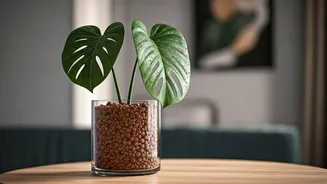
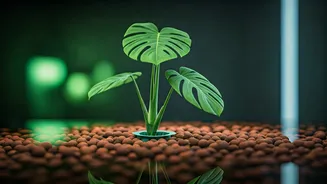
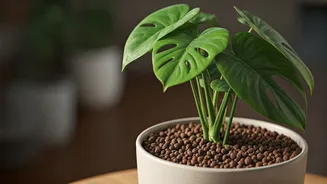
LECA (Lightweight Expanded Clay Aggregate): These are the terracotta-colored clay balls you’ve likely seen on social media. Plants are placed in a pot (usually a clear one) filled with LECA, which sits in a shallow reservoir of nutrient water. The clay balls are porous and wick moisture up to the roots as needed. It’s a perfect entry point into semi-hydroponics, especially for plants that like to dry out slightly between waterings, like aroids (Monstera, Philodendron) and orchids.
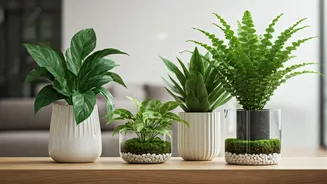
Pon: Pon is a pre-mixed mineral substrate, often containing pumice, zeolites, and lava rock, and it typically includes a slow-release fertilizer. It functions similarly to LECA but is finer in texture, offering more stability for smaller plants. It’s essentially a “plug and play” option—just add water. It’s great for a wide variety of plants, from Hoyas to succulents.
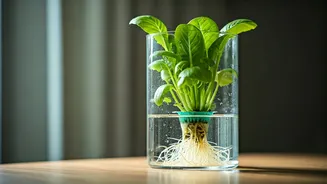
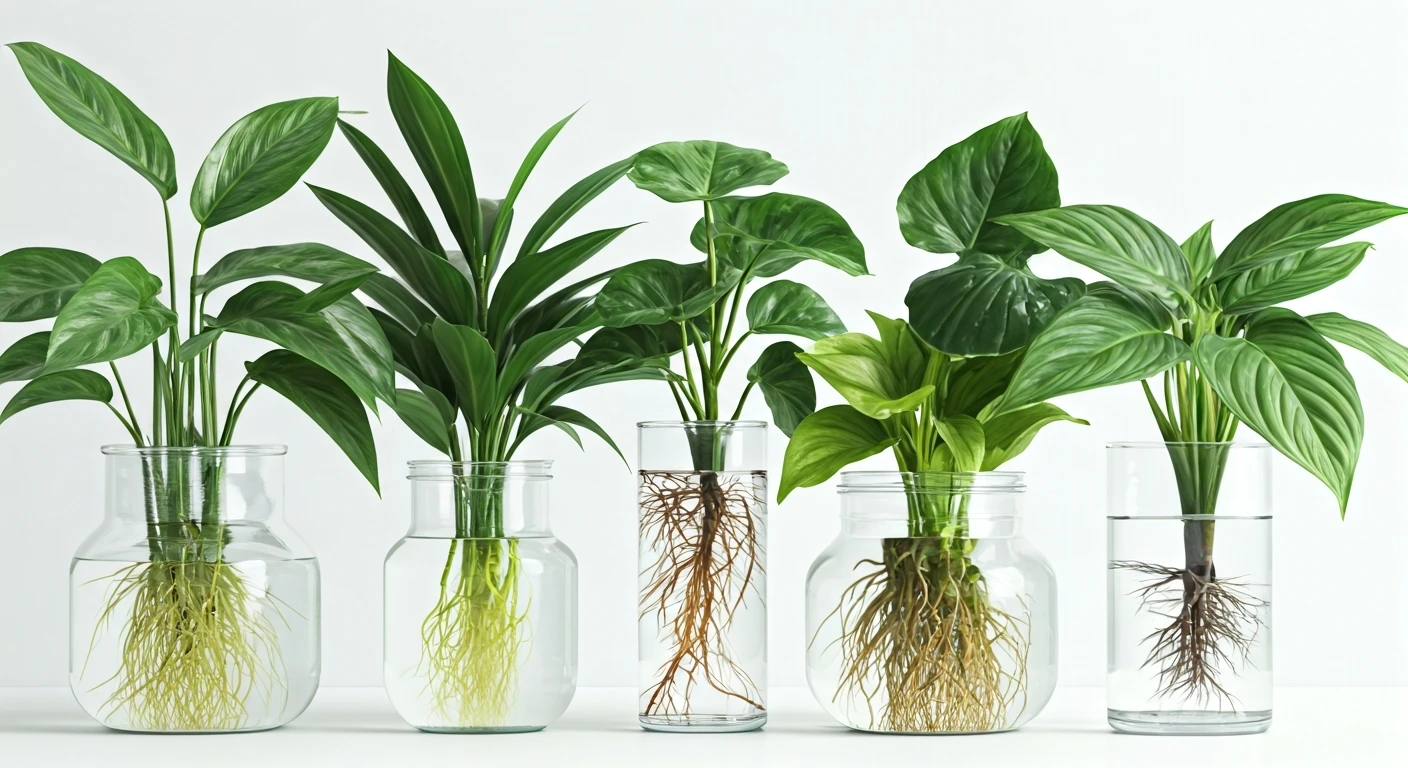
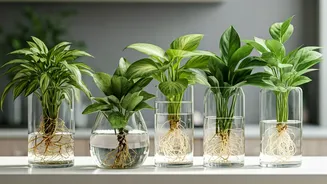
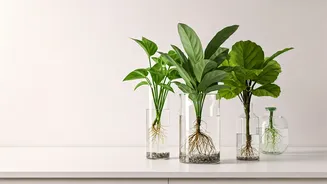
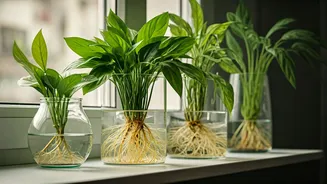
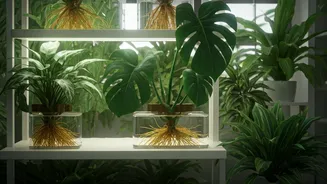
Water Culture: This is the simplest form of hydroponics. It involves placing a plant’s roots directly in a vase or jar of water, with added hydroponic nutrients. It’s not suitable for all plants, but it’s a beautiful way to grow and propagate vining species like Pothos and Philodendron, allowing you to watch the roots grow in real time.
Making the Switch
Transitioning a plant from soil to a soilless medium requires one key step: cleaning the roots. When you unpot your plant, you must gently but thoroughly wash all the soil away. This is crucial, as any remaining organic matter can rot in the water-based system and harm the plant. Once the roots are clean, you can place the plant in your chosen pot and substrate, add the water reservoir, and let it acclimate.
You'll also need a specialized hydroponic fertilizer. Since inert mediums contain no nutrients, you have to provide them. These liquid formulas contain the complete mix of macro and micronutrients that plants would normally get from soil. Just add a few drops to the water during refills, and your plant will have everything it needs to thrive.