






First, What Is El Niño?
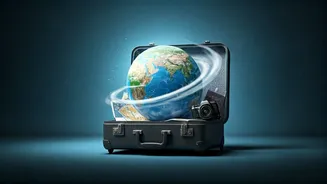
Before we dive into travel plans, let’s quickly demystify the term. El Niño isn't a storm itself, but a powerful, naturally occurring climate pattern. It happens when sea surface temperatures in the central and eastern Pacific Ocean warm up significantly
for an extended period. Think of it as a giant heat engine in the ocean that can disrupt typical weather patterns across the globe. For the U.S., it often means a wetter, cooler winter for the southern states and a warmer, drier season for the northern tier. But its effects are far-reaching, influencing everything from hurricane seasons in the Pacific to drought conditions in Southeast Asia and Australia.
How It Turns Weather Into Travel Headaches
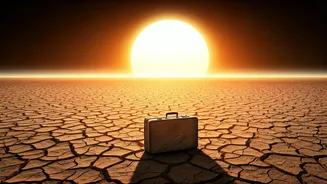
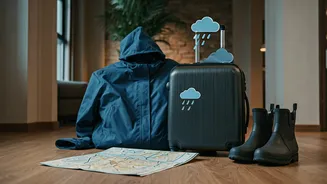
The primary risk for travelers during an El Niño event is unpredictability and extremity. Weather that was once a safe bet for a specific season might suddenly flip. For example, that dry-season tropical escape could be hit with unprecedented rainfall, leading to floods and landslides. A ski trip planned for a resort in the Pacific Northwest might contend with more rain than snow. Conversely, regions prone to dryness can experience intensified droughts and a higher risk of wildfires, impacting air quality and outdoor activities. The warming Pacific waters also provide fuel for typhoons and hurricanes, potentially increasing their intensity and making storm-tracking a critical part of any coastal travel plan.
The Problem with Spontaneity
This is where spontaneous travel takes the biggest hit. When you book a trip months in advance, you have time to monitor long-range forecasts and purchase comprehensive travel insurance. When you decide on a Friday to fly out on Saturday, you have almost no buffer against a sudden weather shift. Flights get canceled, resorts might close, and roads can become impassable. Without a well-laid plan, you’re competing with thousands of other displaced travelers for the last available rental car or hotel room. The flexibility that makes spontaneous travel so appealing can become a major liability when an El Niño-fueled weather system grinds a region to a halt. What should be a relaxing escape quickly becomes a stressful logistical nightmare.
Plan Smarter, Not Less
This doesn't mean you have to lock yourself at home. It just means that even spontaneous trips require a bit more foresight. Start by checking the National Oceanic and Atmospheric Administration (NOAA) for long-range climate outlooks for your potential destination. Are they predicting a wetter-than-average season? Is there a heightened wildfire risk? This macro view is just as important as the 10-day forecast. Be flexible with your destination; if the Caribbean is facing an active storm season, perhaps a trip to a national park in a region with a stable forecast is a better bet. Consider shoulder seasons, when weather is often milder and crowds are thinner, giving you more flexibility if plans need to change.
Your New Best Friends: Insurance and Alerts
In an El Niño year, travel insurance is non-negotiable, especially for expensive or complex trips. But don't just click “buy.” Read the policy’s fine print on weather-related cancellations. Many basic policies won't cover you if you cancel due to a storm that was already named before you purchased the plan. Look for “Cancel For Any Reason” (CFAR) coverage, which offers the most flexibility, albeit at a higher cost. Secondly, lean into technology. Set up weather alerts for your destination on your phone as soon as you book. Sign up for flight status notifications. A little bit of digital vigilance can give you the head start you need to pivot your plans before you end up stranded.