


The Social Media Sweet Spot
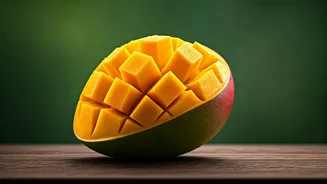
The mango’s recent coronation wasn’t televised; it was livestreamed. On TikTok and Instagram, the fruit has become a bona fide star. We see mesmerizing videos of perfectly cross-hatched mango cheeks, viral tutorials on the “right” way to slice one (pro
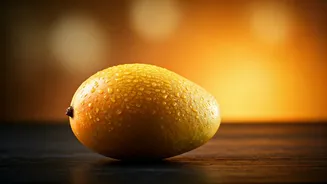
tip: use a glass), and an endless parade of recipes. Mango sticky rice, once a Thai restaurant specialty, is now a DIY project for millions. Mango salsa is a summer staple, and vibrant mango smoothies are the picture of health. This isn't just about food; it's about aesthetics. The deep orange and sunset-blush colors of a ripe mango are visual catnip in a world dominated by curated feeds. It photographs beautifully, signifying sunshine, vacation, and a kind of attainable luxury. The fruit’s transformation into a status symbol of casual wellness and global cool is a masterclass in modern, algorithm-driven fame.
It’s Not a Comeback, It’s a Glow-Up
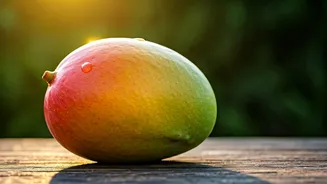
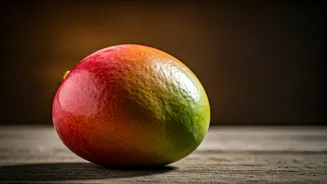
For many Americans, the word “mango” once conjured up an image of the large, red-and-green Tommy Atkins variety—a fruit often picked under-ripe for shipping, resulting in a fibrous texture and a disappointingly bland flavor. But the game has changed. The real hero of this story is the rise of superior varieties in mainstream grocery stores. Enter the Ataulfo mango, marketed as the Honey or Champagne mango. This smaller, kidney-bean-shaped, all-yellow variety is sweet, creamy, and virtually string-free. Its arrival transformed the American mango experience from a gamble to a guaranteed delight. Alongside the Ataulfo, varieties like the Kent and Keitt offer a similarly buttery texture and complex, sweet-tart flavor profile. Consumers who were once burned by a woody, flavorless mango are now discovering what the rest of the world has known for centuries: a good mango is life-changing.
The Supply Chain Finally Caught Up
This mango renaissance wouldn’t be possible without a revolution in logistics. According to the National Mango Board, U.S. mango consumption has nearly doubled over the past two decades. This surge is fueled by a sophisticated, year-round supply chain that sources the fruit from different countries as their seasons peak. Mexico is the dominant supplier, followed by Peru, Ecuador, Brazil, and Guatemala. This staggered sourcing means that high-quality mangoes are no longer a fleeting summer treat but a consistent presence in the produce aisle. Improved ripening protocols at distribution centers also ensure that the fruit arriving in stores is closer to its peak flavor. This reliability has given retailers the confidence to build bigger, more attractive displays, and it’s given consumers the confidence to add mangoes to their weekly shopping list. It’s a virtuous cycle of supply and demand, executed with global precision.
A Taste of Global Culture
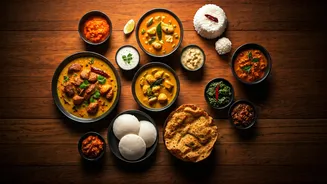
The mango’s rise also tracks with America’s ever-expanding palate and the growing influence of Latin American, South Asian, and Southeast Asian cuisines. In these cultures, the mango isn’t just a fruit; it's an integral part of identity, celebration, and daily life. Think of Indian mango lassis, Mexican paletas (ice pops), or Filipino mango graham cake. As these culinary traditions become more mainstream, so do their star ingredients. The fruit also represents a form of accessible culinary tourism. A bite of a sweet, juicy mango can evoke a sense of travel and authenticity. It’s a flavor that connects us to street food stalls in Mumbai, beachside stands in Cancún, and bustling markets in Bangkok. In a post-pandemic world where global experiences are highly valued, the mango offers a delicious and inexpensive passport.