



The Green Transformation
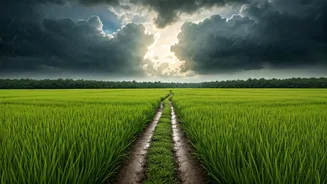
From June to September, a dramatic shift occurs across India’s smallest state. The dry, sun-baked landscape gives way to an almost impossibly lush panorama. The rain washes the dust from the palm fronds, turning them a vibrant emerald. Rice paddies become
fluorescent green mirrors reflecting the cloudy sky, and the sleepy, red-earth lanes of Goan villages are framed by blooming, moisture-heavy flora. This isn't just a little rain; it's a complete environmental makeover. The air feels clean and smells of wet earth and blossoming flowers. For photographers and nature lovers, this season offers a visual feast that the hot, dry peak season simply cannot match. It’s a time when Goa’s agricultural heart, often overlooked by tourists, is on full display.
Redefining a 'Beach Day'
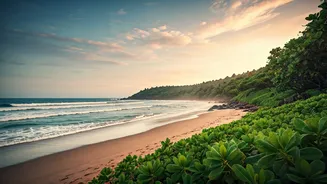
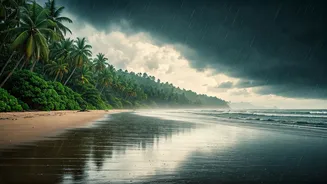
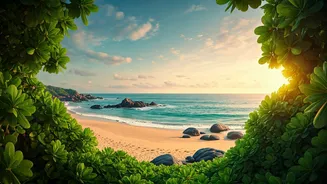
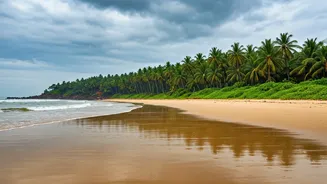
Let’s be clear: a monsoon beach day isn’t about swimming or sunbathing. The Arabian Sea becomes a powerful, churning force with strong currents, making it unsafe for a dip. The iconic temporary beach shacks that line the sand in winter are packed away. But what’s left is something raw and profoundly beautiful. The beaches of Morjim, Ashwem, and even the usually bustling Baga become vast, empty stretches of sand. You can walk for miles, feeling the sea spray on your face, watching dark clouds roll in, and experiencing a sense of solitude that feels like a stolen luxury. It's a time for contemplation, long walks, and finding a cozy, permanent cafe overlooking the dramatic coastal scene. The beach becomes a place for moody, atmospheric sightseeing rather than a party venue.
Adventures Beyond the Sand
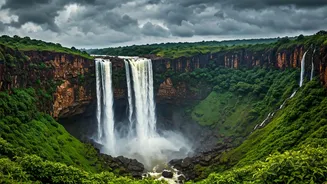
With the ocean off-limits for swimming, the monsoon season encourages you to explore inland Goa. This is when the state's famous waterfalls are at their most spectacular. Dudhsagar Falls, one of India’s tallest, transforms from a trickle into a roaring cascade of white water, a truly breathtaking sight. Spice plantations in the Ponda region are another must-visit. The rain awakens the aromas of cardamom, vanilla, and pepper, and guided tours feel more like a jungle expedition. You can also wander the colorful, narrow streets of Fontainhas, Panjim’s Latin Quarter. The old Portuguese architecture, with its peeling paint and terracotta roofs, looks even more romantic and atmospheric under a light drizzle. It’s the perfect season to trade the beach for culture and nature.
The Perks of the Off-Season
The most compelling practical reason to visit during the monsoon is the value. With fewer tourists, prices for flights and accommodations plummet. Luxury hotels and boutique guesthouses that are prohibitively expensive in December suddenly become affordable. You can snag a five-star experience for a fraction of the peak-season price. Beyond the savings, the entire pace of life slows down. There are no lines, no crowds, and no need to book restaurant tables days in advance. You’ll find a more local, authentic vibe. Service is often more personal, and you get a better sense of Goan life outside the tourism bubble. It’s an opportunity to connect with the place, not just consume it.
Know Before You Go
A monsoon trip requires a bit of preparation and the right mindset. Pack light, quick-drying clothes, a reliable raincoat, and sturdy footwear that can handle slick paths and puddles. Mosquito repellent is non-negotiable. While many places remain open, some seasonal restaurants and shops will be closed, so a little flexibility is key. Renting a car is often a better bet than a scooter, as roads can have potholes and sudden downpours are common. Most importantly, embrace the rain. Don't see it as an inconvenience but as the main event. The Goan philosophy of *susegad*—a relaxed, contented attitude—is never more appropriate than during the monsoon. Settle in with a good book, a hot cup of tea, and enjoy the show.