



Why Rain Isn't Always a Blessing
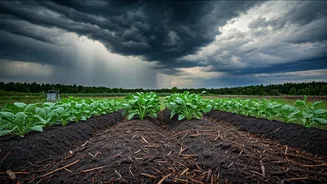
Heavy, prolonged rain is fundamentally different from your controlled watering routine. Your watering can delivers a measured amount; a storm delivers an unpredictable deluge. This can lead to several critical problems. First, overwatering is the most
immediate threat. Saturated soil pushes out oxygen, essentially drowning the roots and leading to root rot. Second, intense rainfall can compact the soil in pots and garden beds, making it harder for roots to breathe and absorb nutrients even after the water drains. Finally, the constant dampness creates a perfect breeding ground for fungal diseases like powdery mildew and blight, which can spread rapidly and devastate your plants.
Spotting the Subtle Signs of Trouble
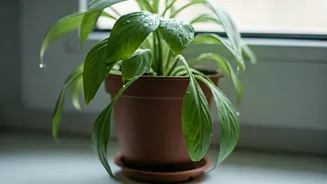
Your plants will tell you they're struggling, but the signs can be mistaken for other issues. The most common indicator of overwatering is yellowing leaves, particularly the lower, older ones. This isn't the same as a plant needing water; in this case, the plant is wilting because its damaged roots can't absorb moisture, even though the soil is soaked. Other red flags include soft, mushy stems near the soil line, a swampy or rotten smell coming from the pot, and the appearance of green algae or white mold on the topsoil. Catching these signs early gives you a much better chance of saving the plant. Don't assume a wilted plant is thirsty—always check the soil moisture first.
The Preemptive Strike: Before the Storm
The best defense against rain damage is a good offense. When you see a forecast calling for heavy or multi-day rain, it’s time to act. For potted plants, the solution is simple: move them. Bring smaller pots indoors or place them under a covered porch, awning, or even beneath a dense tree. For larger containers that are too heavy to move, you can try tilting them on their side to prevent water from pooling inside. Ensure all your pots have excellent drainage—clear any clogged holes and elevate them using "pot feet" or bricks. This small gap allows air to circulate and water to escape freely, which can be a lifesaver during a downpour. For in-ground plants, consider covering especially vulnerable ones, like tomatoes or succulents, with a temporary tarp angled to shed water away from the base.
Immediate Post-Rain Triage
Once the storm has passed, your work isn't over. Your first task is a damage control tour. Immediately empty any saucers, cachepots, or decorative containers that have collected water; leaving plants standing in water is a fast track to root rot. For heavy pots you couldn't move, gently tip them to let excess water drain away. If possible, move them to a sunnier, breezier spot to help the soil dry out more quickly. Increased air circulation is your best friend now. Avoid the temptation to "feed" a stressed plant with fertilizer, as its damaged roots can't process the nutrients and you may cause fertilizer burn, adding insult to injury.
Long-Term Recovery and Resilience
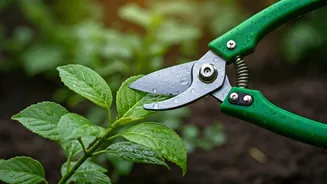
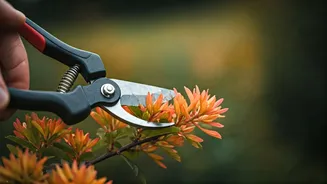
If you notice signs of damage days after the rain, you can still intervene. For compacted soil in containers, gently poke a few deep holes with a chopstick or skewer to help aerate the root zone. Be careful not to damage the main root ball. If you suspect fungal disease has taken hold—visible as dark spots, fuzzy growth, or a white powdery coating—prune off the affected leaves immediately to prevent it from spreading. Dispose of the diseased material; don't compost it. For severe cases, an appropriate fungicide might be necessary. Moving forward, use this experience to improve your setup. Does your garden bed need amending with sand or perlite to improve its drainage for the next rainy season?