


Embrace the 'Green Season' Mentality
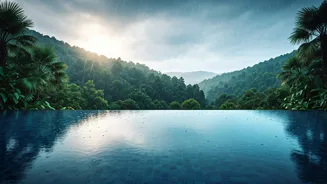
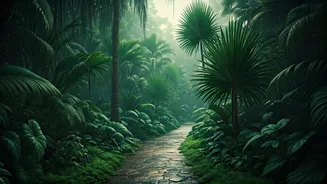
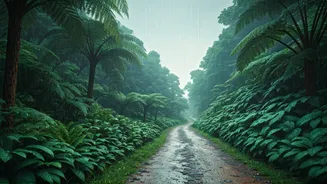
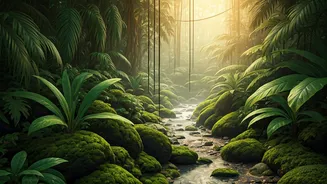
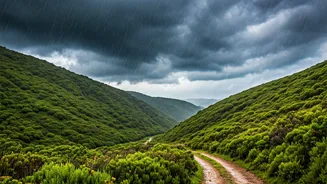
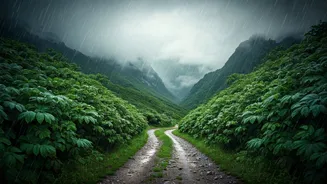
Let’s rebrand. What tourist brochures call the “rainy season,” savvy travelers know as the “green season.” This is when landscapes, parched from months of sun, explode into impossible shades of emerald and jade. The air, thick with the smell of petrichor—that
earthy scent of rain on dry soil—feels clean and alive. Instead of fighting for a spot under a beach umbrella, you get front-row seats to one of nature’s most dramatic shows. The appeal isn’t in avoiding the rain; it’s in embracing the world it creates. It’s a sensory experience: the sound of rain on a tin roof, the sight of swollen rivers, and the feel of cooler, dust-free air. This isn't a compromised vacation; it’s a more profound one, trading tourist-choked streets for authentic, atmospheric beauty.
Kerala, India: Ayurvedic Rejuvenation
There’s a reason Kerala is called “God’s Own Country,” and never is that more apparent than during the monsoon (roughly June to September). This is when the Indian state’s famous backwaters swell, its spice plantations glisten, and the whole region feels washed anew. More importantly, this is traditionally the best time for Ayurveda, the ancient Indian system of medicine. According to Ayurvedic principles, the moist, cool, and dust-free atmosphere of the monsoon helps the body open its pores, making it more receptive to herbal oils and therapies. You can check into a wellness retreat for a fraction of the high-season price and spend your days getting restorative treatments while listening to the rhythmic drumming of the rain outside. It’s the opposite of a hectic tour; it’s a full-body reset.
Northern Thailand: Waterfalls and Quiet Temples
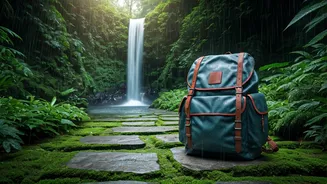
While Thailand's southern islands can get hit hard by the monsoon, the north, particularly around Chiang Mai, offers a different story. The rainy season here (typically May to October) means fewer crowds at the city’s iconic temples and bustling night markets. But the real magic happens in the surrounding countryside. Waterfalls that are mere trickles in the dry season become thundering cascades, perfect for a refreshing (and careful) dip. The rice paddies that blanket the valleys turn a vibrant, almost fluorescent green. You can rent a motorbike and ride through misty mountains, stopping at local coffee farms and enjoying the landscape without the oppressive heat of April or the tourist rush of December. It's a more contemplative, personal version of Thailand.
Cambodia: Angkor Wat Without the Crowds
Imagine exploring the mythic temples of Angkor Wat with space to breathe, the ancient stones slick with rain and reflecting in the surrounding moats. That’s the reality of visiting Cambodia during its green season (May to October). The throngs of tourists thin out dramatically, allowing for a more intimate and atmospheric connection to these incredible ruins. The downpours are often intense but short-lived, usually happening in the afternoon and leaving behind brilliant, clear light perfect for photography. The countryside around Siem Reap becomes a lush tapestry of rice fields and full lakes, offering a glimpse of the powerful water-based civilization that built Angkor in the first place. You trade guaranteed sunshine for a chance to see a world wonder as it was meant to be seen: alive with water and nature.
Vietnam's Mekong Delta: A River Reborn
The Mekong Delta is a world of water, and it’s never more itself than during the rainy season. This is when the river and its countless tributaries swell, creating floating markets that are even more vibrant and essential to local life. From roughly May to November, the delta transforms. You can take a boat trip through submerged mangrove forests, visit fruit orchards heavy with rambutan and mangosteen, and witness the incredible abundance that the rains bring. While you might need a poncho, the experience is far from miserable. The rains cool the humid air, and life on the water simply adapts. It’s a powerful lesson in resilience and a chance to see a vital, dynamic ecosystem at its absolute peak.