




The New Appeal of the Off-Season
For years, travel during a region’s rainy season was seen as a rookie mistake. Today, it’s increasingly viewed as a savvy move. The primary benefits are obvious: fewer crowds and lower prices. Flights and high-end accommodations can be significantly cheaper,
and you won’t be jostling for space at popular landmarks. But the appeal goes deeper. Traveling during the monsoon season offers a more authentic glimpse into a destination, where life continues, rain or shine. It supports local economies during their slower months and, by spreading out tourist traffic, can be a more sustainable way to explore. Instead of a flaw to be avoided, the monsoon is being rebranded as an opportunity for a different, often richer, travel experience.
Your Phone Is a Digital Meteorologist
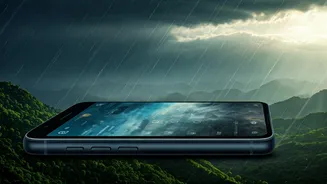
Perhaps the single biggest game-changer is the technology in your pocket. A decade ago, a forecast for “rain” meant scrapping an entire day. Now, hyper-local weather apps have transformed how we navigate inclement weather. Apps like Dark Sky, Windy, or even the built-in weather radar on your phone can provide minute-by-minute precipitation forecasts for your exact location. This means you can see that a storm will last for the next 45 minutes and clear up for the rest of the afternoon. This level of granular detail turns a potential trip-ruiner into a manageable coffee break. Instead of canceling your plans to visit the outdoor market, you can confidently plan around the downpour, maximizing your time and minimizing frustration.
Flexible Booking Provides a Safety Net
The travel industry’s widespread adoption of more flexible booking policies has massively de-risked planning a trip during a potentially volatile weather season. Where travelers once faced steep penalties for changing plans, many airlines have eliminated change fees on main cabin fares, and hotels increasingly offer cancellable rates. This flexibility is a powerful tool for monsoon travel. If a major storm system is forecast to disrupt your arrival, you have the freedom to shift your dates without losing your investment. This psychological and financial safety net encourages travelers to take a chance on shoulder seasons, knowing they have an exit strategy if the weather truly becomes unmanageable.
Gear Up, But Pack Light
The key to comfortable monsoon travel isn't a bulky suitcase full of heavy-duty rain gear; it's about smart, technical choices. Modern fabrics have made staying dry easier and more comfortable than ever. Ditch cotton, which stays wet forever, and opt for quick-drying materials like merino wool or synthetics for your base layers. A lightweight, breathable, and truly waterproof rain shell is your most important investment—it can be packed down to almost nothing. For your feet, forget clunky rain boots; instead, consider waterproof trail runners or sturdy, quick-drying sandals. Finally, a few small dry bags are essential for protecting your passport, phone, and other electronics. With the right gear, you can walk through a shower and be comfortably dry minutes later.
Embrace the Slower, Greener Rhythm
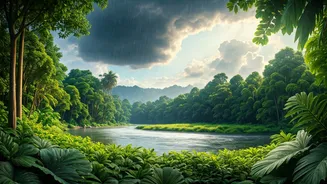
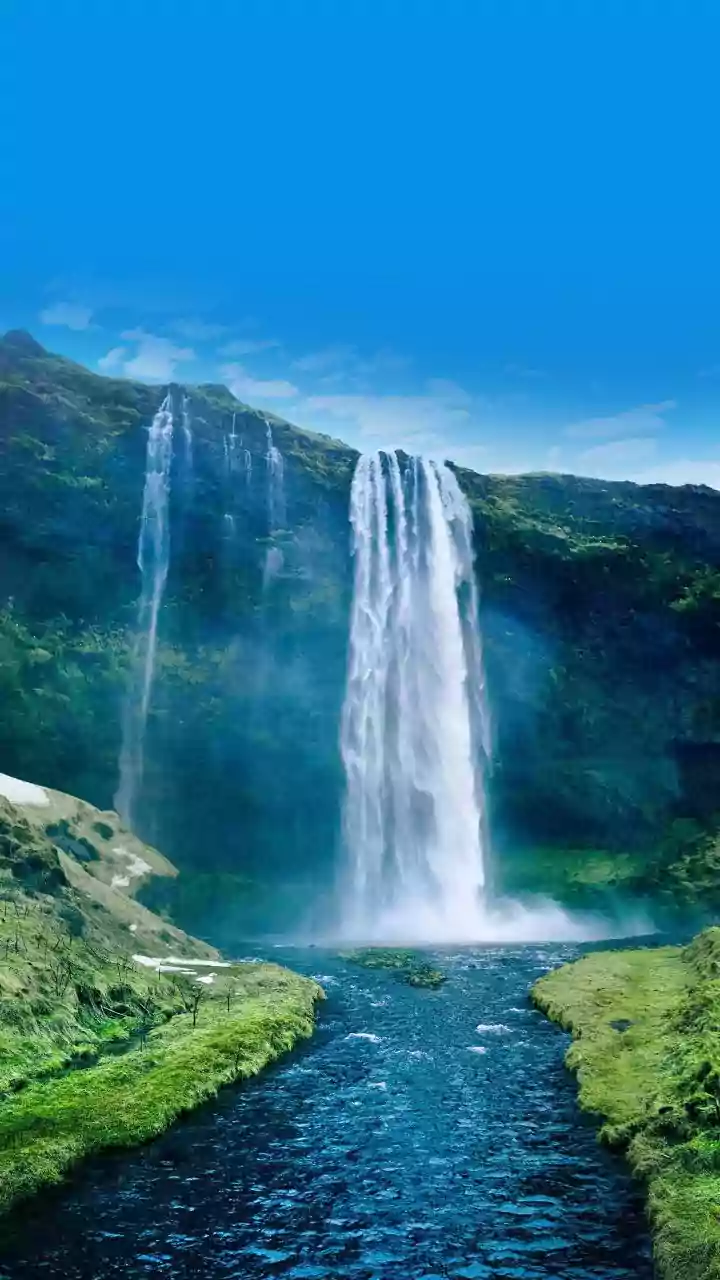
Monsoon travel isn’t about trying to have a sunny beach vacation in the rain. It’s about leaning into a different rhythm. The rain transforms landscapes, turning everything impossibly lush and green. Waterfalls that are a trickle in the dry season become thunderous spectacles. It’s a photographer’s dream. This is the perfect time to explore a country's indoor culture: linger in world-class museums, take a local cooking class, or spend an afternoon reading in a cozy cafe while watching the storm pass. In many cultures, the monsoon is a celebrated time of renewal and relief from intense heat. By embracing that local perspective, you stop seeing the rain as an inconvenience and start seeing it as part of the destination’s soul.
Don't Forget the American Monsoon
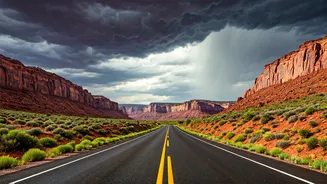
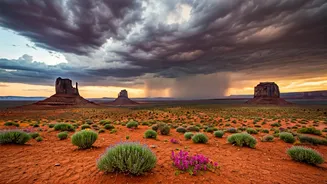
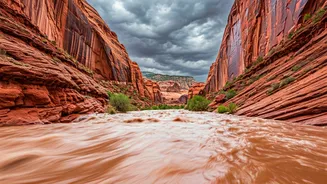
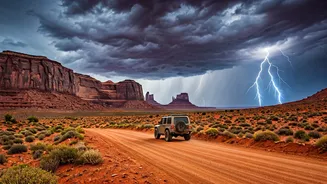
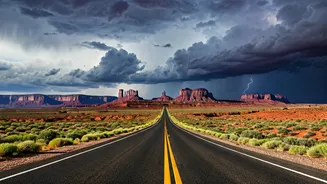
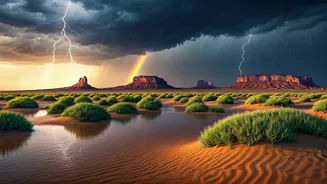
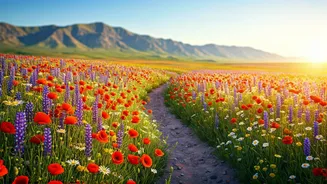
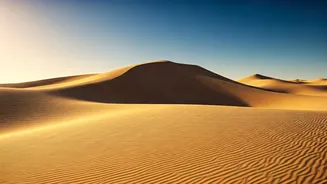
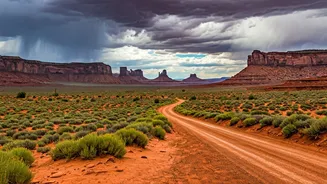
When Americans hear “monsoon,” they often think of Southeast Asia, but the U.S. has its own dramatic version. The North American Monsoon brings a season of spectacular thunderstorms to the Southwest, primarily Arizona, New Mexico, and parts of Utah and Colorado, typically from July to September. For travelers, this means a break from the oppressive summer heat and a chance to see the desert in a new light. The skies fill with dramatic, towering clouds that produce stunning sunsets, and the parched landscape erupts in a brief, vibrant bloom. While flash floods are a real and serious risk that requires caution, planning a trip to a place like Tucson or Santa Fe during monsoon season offers a unique and breathtaking natural drama found nowhere else in the country.