

The ‘Why Now?’ Question
For decades, the Indian packaged food market was a story of convenience above all else. Global behemoths and local players alike found success offering chips, cookies, and instant noodles loaded with salt, sugar, and refined flours. But a perfect storm
of factors has dramatically altered consumer demand. A growing middle class with more disposable income, heightened health awareness in the wake of the pandemic, and increased internet penetration have created a new kind of shopper. This consumer is digitally savvy, reads labels, and is influenced by global wellness trends while also feeling a renewed sense of pride in Indian heritage. They're asking a simple question: why can't convenient food also be good for you? This shift has opened a massive opportunity for brands that can provide an answer.
Redefining ‘Healthy’ in an Indian Context
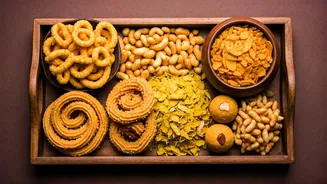
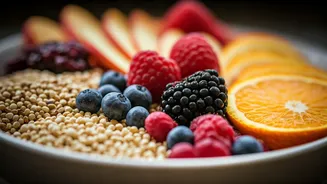
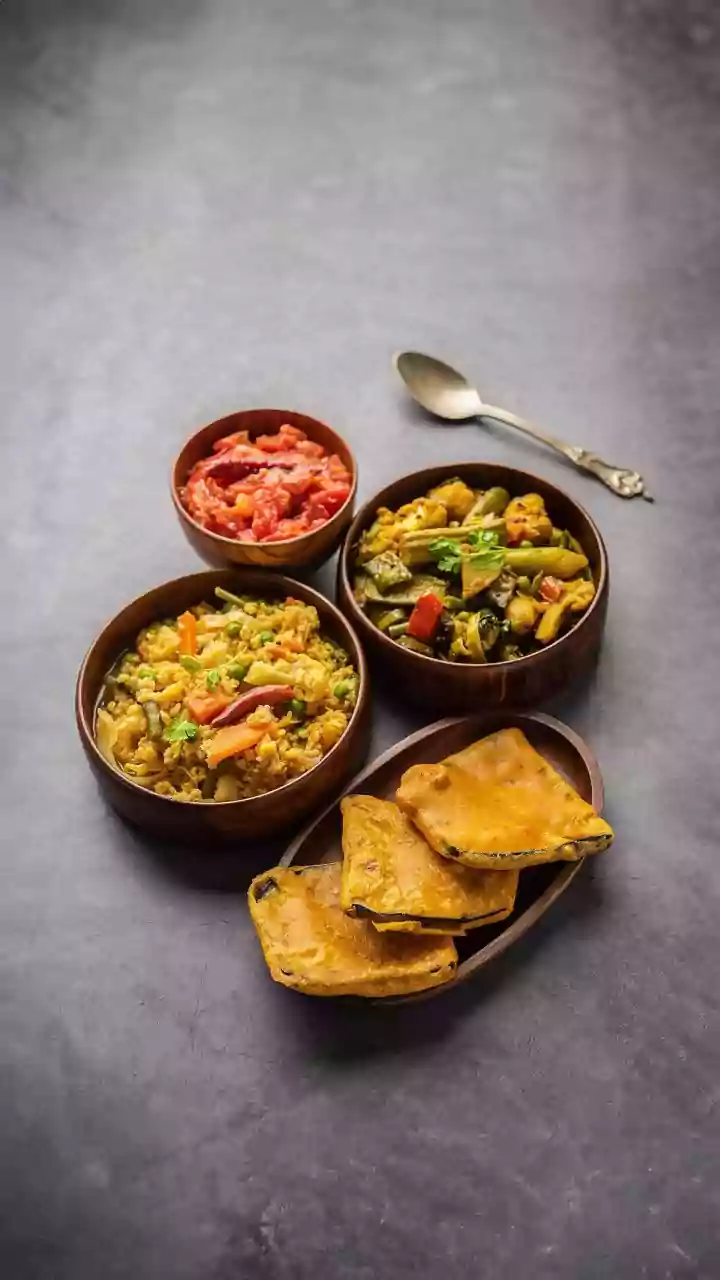
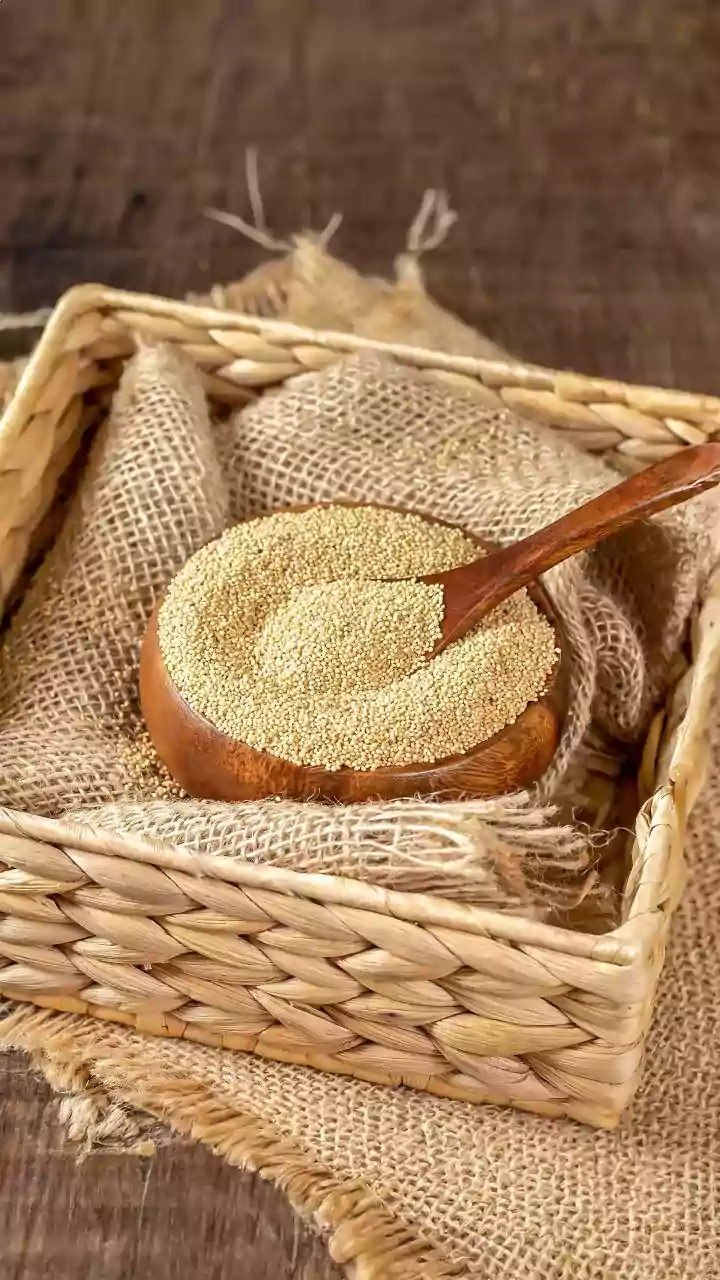
In the U.S., “healthy” snacking often conjures images of kale chips or protein bars. In India, the movement is about reclaiming and modernizing traditional ingredients. The new wave of healthier products isn't just about being “low-fat” or “sugar-free.” It's about positive nutrition. Brands are swapping out potatoes and refined wheat for nutrient-dense ancient grains like millet (jowar, bajra, ragi), which are naturally gluten-free and have a lower glycemic index. They’re using techniques like baking and roasting instead of deep-frying. For example, classic deep-fried snacks are being reimagined as baked lentil-flour crisps. Sweeteners are shifting from refined sugar to natural alternatives like jaggery and dates. This isn’t about creating a pale imitation of a Western health food; it's about reinterpreting India’s own rich culinary and agricultural pantry for a modern, convenience-seeking audience.
The 'Local' Revolution
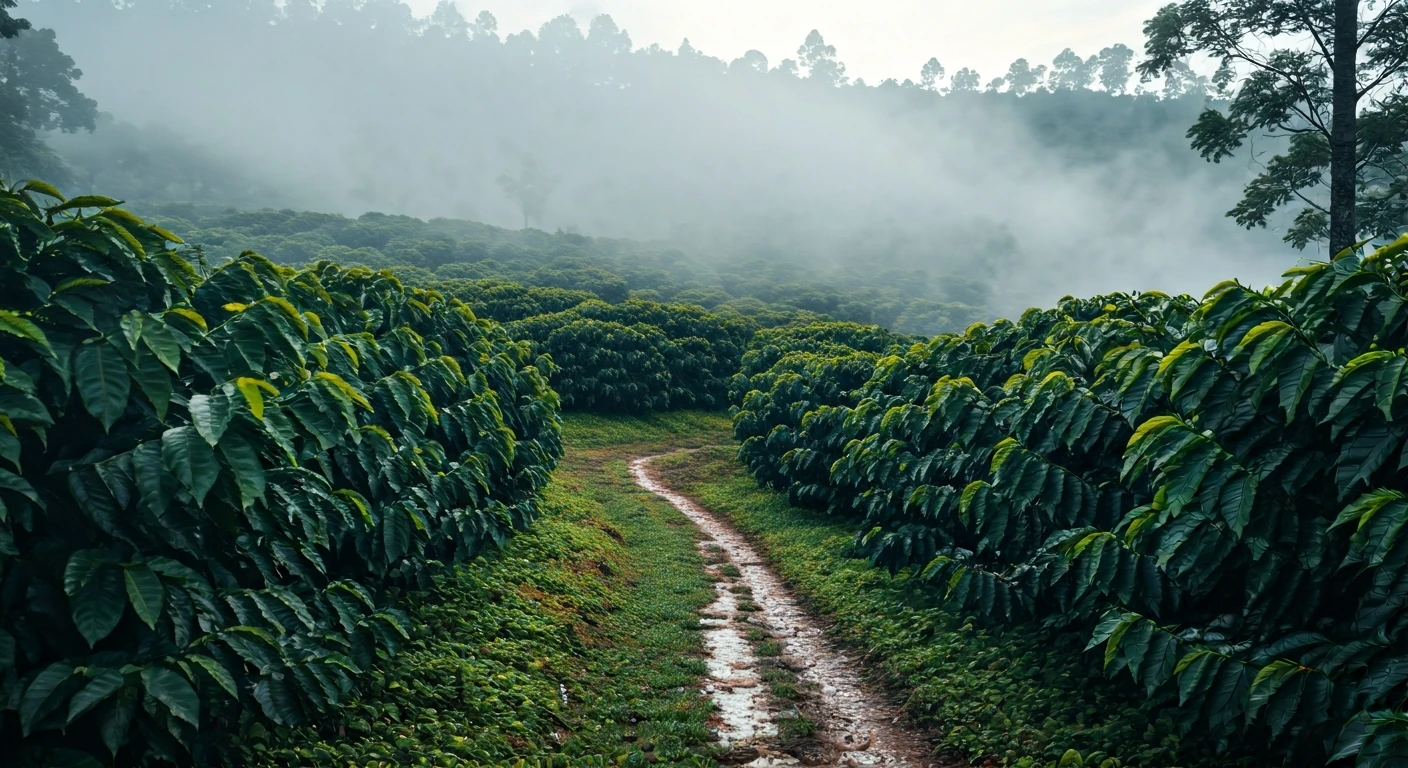
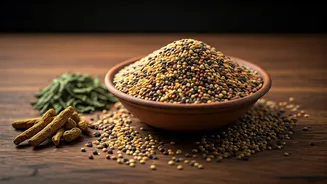
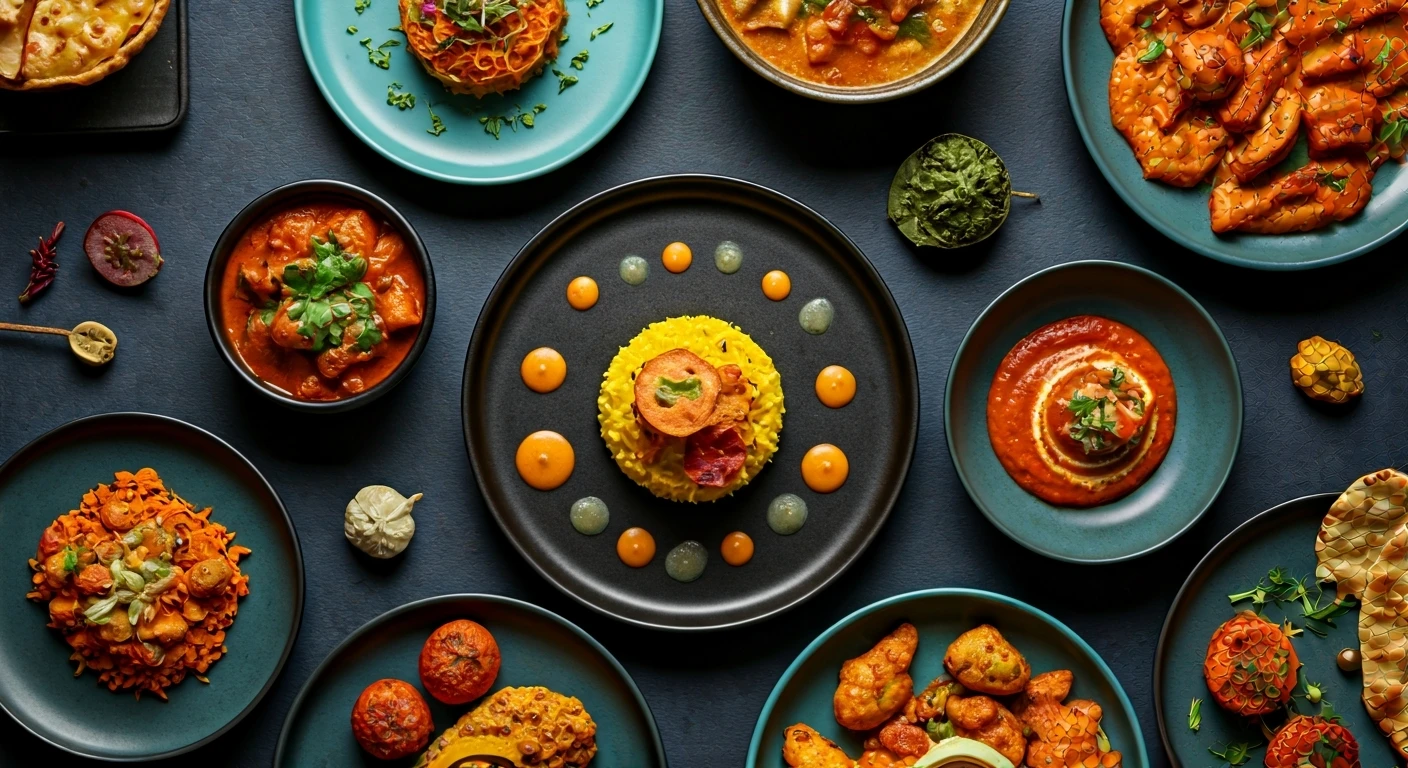
Hand-in-hand with the health trend is a powerful move toward localism. For years, the aspirational snack was often something Western, like a particular brand of potato chip or cream-filled cookie. Today, there's a growing celebration of regional Indian flavors and ingredients. This 'go local' movement has two parts. First, it’s about sourcing. New brands proudly highlight that their millets come from specific farming communities in Karnataka or their spices are sourced from Kerala. This shortens supply chains and creates a narrative of authenticity and traceability that resonates deeply with consumers tired of anonymous, factory-produced food. Second, it’s about flavor. Instead of generic “masala,” you now find snacks flavored with specific regional profiles, like Bengali panch phoran or Chettinad spices. It’s a declaration that Indian flavors are not a monolith, and it taps into a powerful sense of cultural identity.
Startups vs. The Old Guard
This market disruption is being led by a wave of nimble, digitally-native startups. Brands that began as small, direct-to-consumer (D2C) operations have scaled rapidly by connecting with their target audience on social media and building communities around wellness and authenticity. They have been able to innovate quickly, unburdened by the massive manufacturing and distribution infrastructure of the industry giants. However, the legacy players are not standing still. Major corporations like ITC, Tata Consumer Products, and even PepsiCo India have taken notice. They are responding by launching their own healthier lines, acquiring successful startups, and reformulating classic products to have cleaner labels. This has created a dynamic and competitive marketplace where the ultimate winner is the Indian consumer, who now has more choices than ever.