




Provide a Natural Potassium Boost
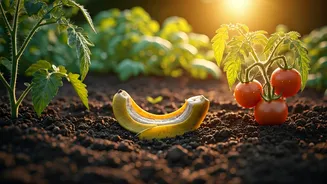
The primary reason gardeners cherish banana peels is their high concentration of potassium. While we associate potassium with human muscle function, it plays a vital role in the plant world, too. Potassium helps regulate a plant's water uptake, strengthens
cell walls, and improves its overall resilience against drought, temperature extremes, and disease. It's also crucial for flowering and fruiting. Unlike synthetic fertilizers, which can be harsh and risk 'burning' your plants if overused, the nutrients in a banana peel are released slowly as the peel decomposes. This provides a gentle, steady supply of what your plants need, especially heavy feeders like tomatoes, peppers, and roses.
Brew a 'Banana Peel Tea'
One of the most popular methods for extracting these nutrients is creating a liquid fertilizer, often called 'banana peel tea.' The process is simple: just submerge a few fresh banana peels in a jar of water and let them steep for several days to a week. The water will turn a murky brown as the nutrients leach out from the peels. Once it's ready, remove the peels (toss them in your compost!) and dilute the 'tea' with fresh water at a ratio of about one part banana water to four or five parts plain water. Use this diluted mixture to water your houseplants or outdoor container plants every couple of weeks for a noticeable boost in vitality. It's a free, gentle liquid fertilizer that reduces kitchen waste.
Chop and Bury for Direct Nutrition
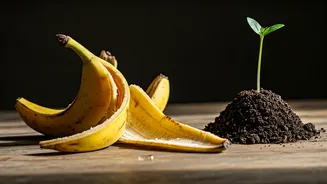
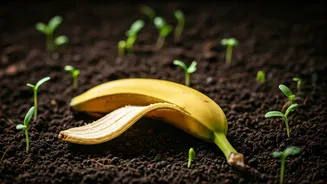
For the most direct application, you can simply add banana peels right into your garden soil. However, don't just toss a whole peel on the surface—it will decompose very slowly and can attract pests like fruit flies or even larger critters. The secret is to chop the peels into small, one-inch pieces first. The smaller the pieces, the faster they will break down and release their nutrients into the soil. When planting a new seedling, you can mix a few of these chopped pieces into the soil at the bottom of the hole. For established plants, gently dig a shallow trench a few inches away from the plant's base, sprinkle in the chopped peels, and cover them back up with soil. This 'trench composting' method delivers nutrients right to the root zone.
Supercharge Your Compost Pile
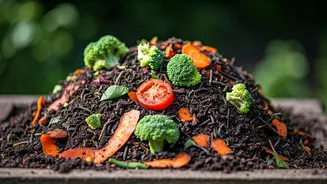
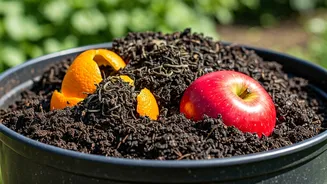
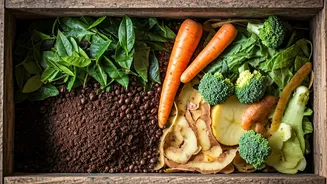
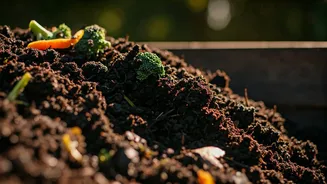
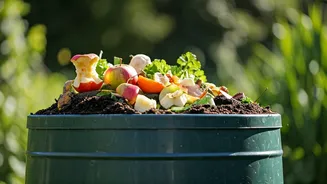
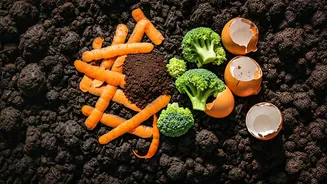
If you maintain a compost bin or pile, banana peels are a fantastic addition. They are considered a 'green' material, meaning they are rich in nitrogen and moisture, which helps kickstart the decomposition process. The peels add valuable potassium, phosphorus, calcium, and magnesium to the finished compost, creating a richer, more balanced soil amendment for your entire garden. As with direct burial, it's best to chop them up before adding them to the pile. This increases the surface area available to the beneficial microbes and worms that do the hard work of composting, helping the peels break down much faster and integrate more effectively into the mix.
Deter Aphids (Maybe)
This tip falls more into the realm of garden folklore, but many longtime gardeners swear by it. The theory is that the ethylene gas released by decomposing banana peels is offensive to aphids. To try this, place small pieces of banana peel near the base of aphid-prone plants like roses. Some even go a step further and 'plant' a peel an inch or two deep in the soil nearby. While scientific evidence is thin, there's little harm in trying this natural deterrent before resorting to chemical sprays. At worst, you're still adding a few nutrients to the soil. Just be mindful that in some areas, the peels might attract other unwanted visitors, so monitor the spot for a few days.