



The Appeal of an Off-Peak Peak Season
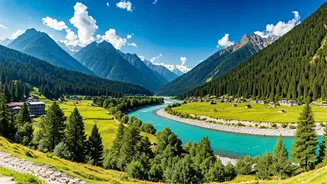
June in northern India can be a tricky proposition. The plains are scorching, and popular mountain retreats like Shimla and Manali are often overrun with domestic tourists escaping the heat. Jibhi and Tirthan, nestled in Himachal Pradesh’s Kullu district,
offer a brilliant alternative. This time of year is a sweet spot—just before the heavy monsoon rains of July and August, but after the main tourist rush has picked its usual targets. The weather is a blissfully cool escape, with lush, green landscapes fed by early showers and rivers running full and clear. It’s the ideal window for hiking and exploring without the peak season crowds or the logistical snags of monsoon travel.
Jibhi: A Bohemian Forest Hideaway
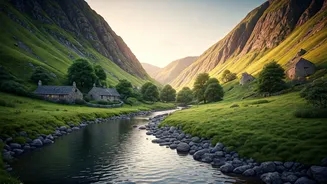
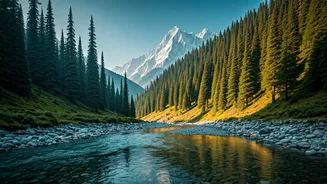
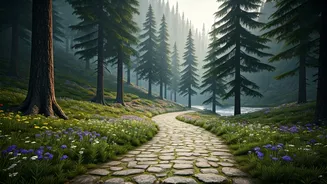
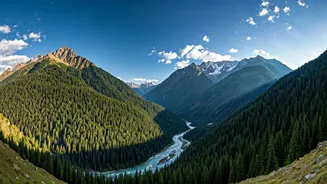
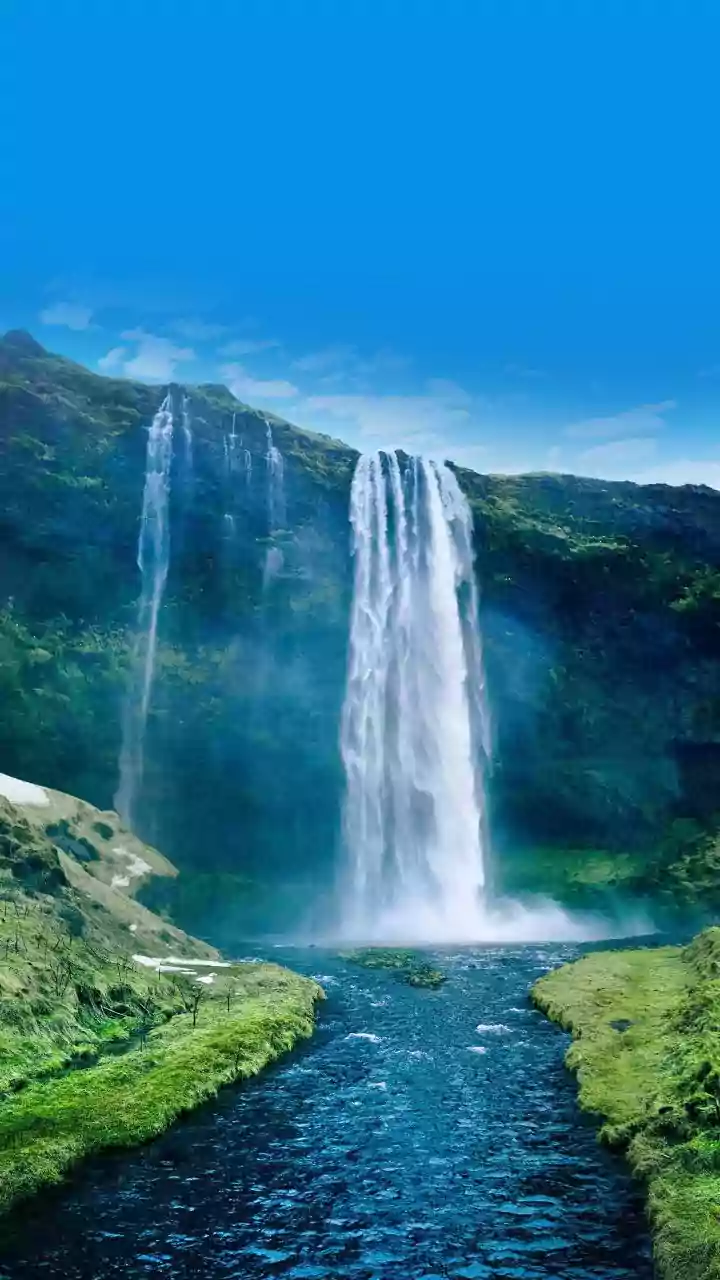
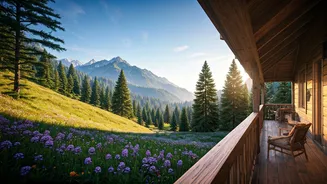
Jibhi feels like it was plucked from a fairy tale. Picture a small village tucked into a dense pine forest, with traditional wooden houses and the sound of a rushing stream as its constant soundtrack. It has a relaxed, bohemian vibe that has quietly attracted backpackers, artists, and travelers seeking slow-paced solitude. The main draw is the atmosphere itself, but there are tangible rewards. A short, beautiful hike takes you to the surprisingly powerful Jibhi Waterfall. For a more ambitious day, a drive up to the Jalori Pass (over 10,000 feet) opens up stunning panoramic views and access to a mystical trek to Serolsar Lake. A handful of cozy, wood-paneled cafes have popped up, serving everything from local Himachali dishes to surprisingly good coffee, making it a perfect base for doing very little, very beautifully.
Tirthan Valley: The Angler’s Eco-Paradise
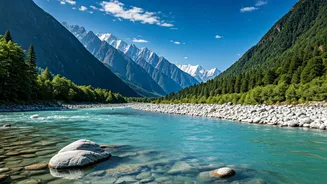
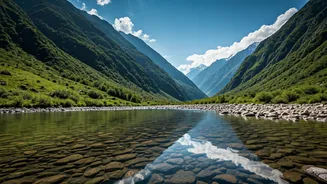
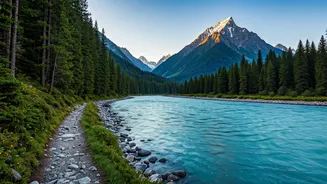
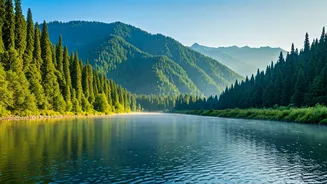
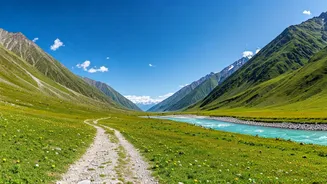
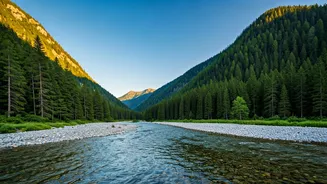
Just across a ridge from Jibhi lies the Tirthan Valley, which feels a touch wilder and more rugged. Its identity is inextricably linked to the Tirthan River, a crystal-clear tributary of the Beas River teeming with trout. This makes it a legendary spot for angling (permits required), but its real treasure is being the gateway to the Great Himalayan National Park, a UNESCO World Heritage Site. Tirthan is less about cafes and more about eco-tourism and authentic homestays that offer a genuine connection to local life. The valley is a network of small, scattered villages like Gushaini and Nagini. Here, your days are spent trekking along the river, crossing rickety wooden bridges, discovering hidden waterfalls, and simply breathing in the pristine mountain air. It’s less of a destination to ‘see’ and more of a place to ‘be’.
The Great Himalayan National Park
You can’t talk about Tirthan without highlighting the Great Himalayan National Park (GHNP). This protected area is a biodiversity hotspot, home to elusive fauna like the snow leopard and blue sheep. For most visitors, it offers an incredible range of treks. You can opt for easy day hikes into the park's ecozone from the valley floor or embark on multi-day guided expeditions that take you deep into the core zone. These longer treks are a serious undertaking but reward adventurers with untouched forests, alpine meadows, and a profound sense of isolation. The park is a testament to successful conservation, and its raw, untamed nature is the primary reason serious trekkers choose Tirthan over more commercialized hubs.
Know Before You Go: Practical Tips
Getting to these valleys is part of the adventure. For U.S. travelers, the most common route is to fly into Delhi, then take a short domestic flight to Bhuntar Airport in Kullu. From there, it’s a 2-to-3-hour taxi ride. Be prepared for winding mountain roads. Accommodations are a highlight; skip hotels for the charming homestays and guesthouses. They are the heart of the experience. Don't expect seamless connectivity. Wi-Fi can be spotty and cell service unreliable, which is often the point. Pack layers—warm days can turn into chilly nights—along with a rain jacket for passing showers and sturdy, broken-in hiking shoes. Finally, carry cash, as ATMs are few and far between.