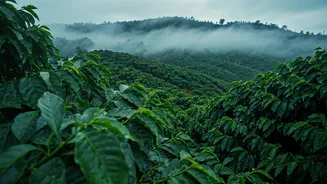




Welcome to the 'Scotland of India'
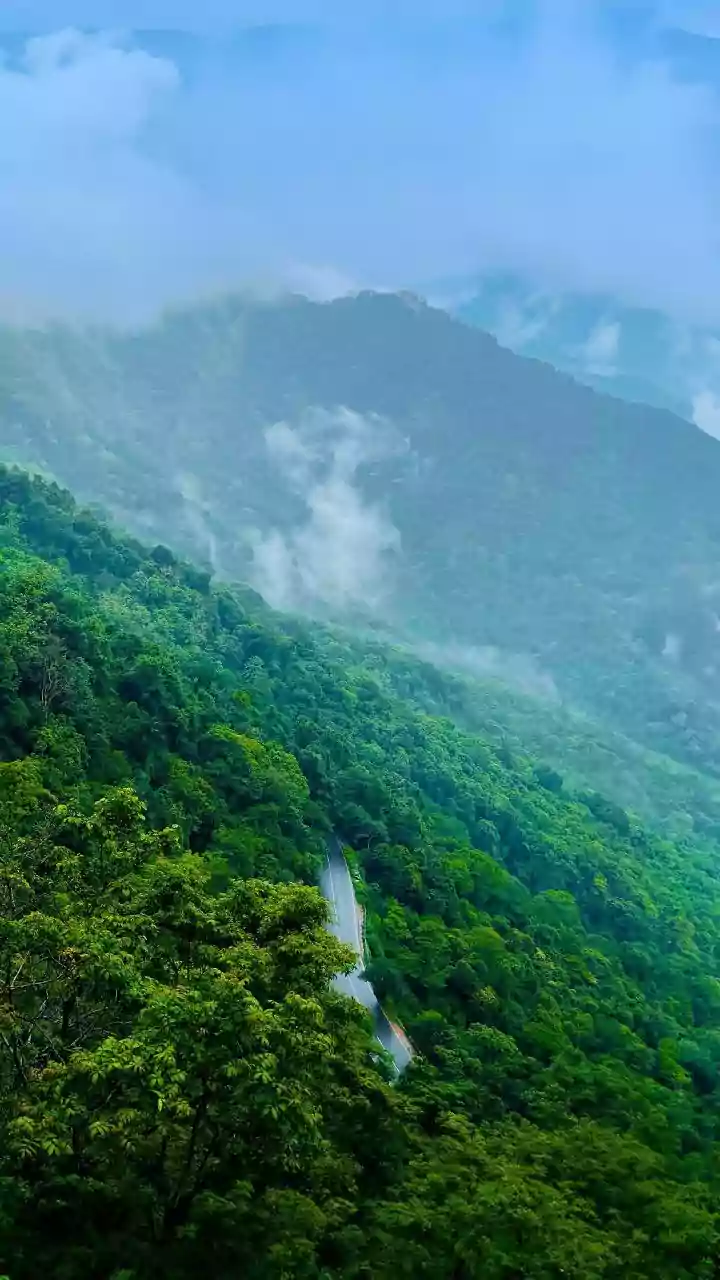
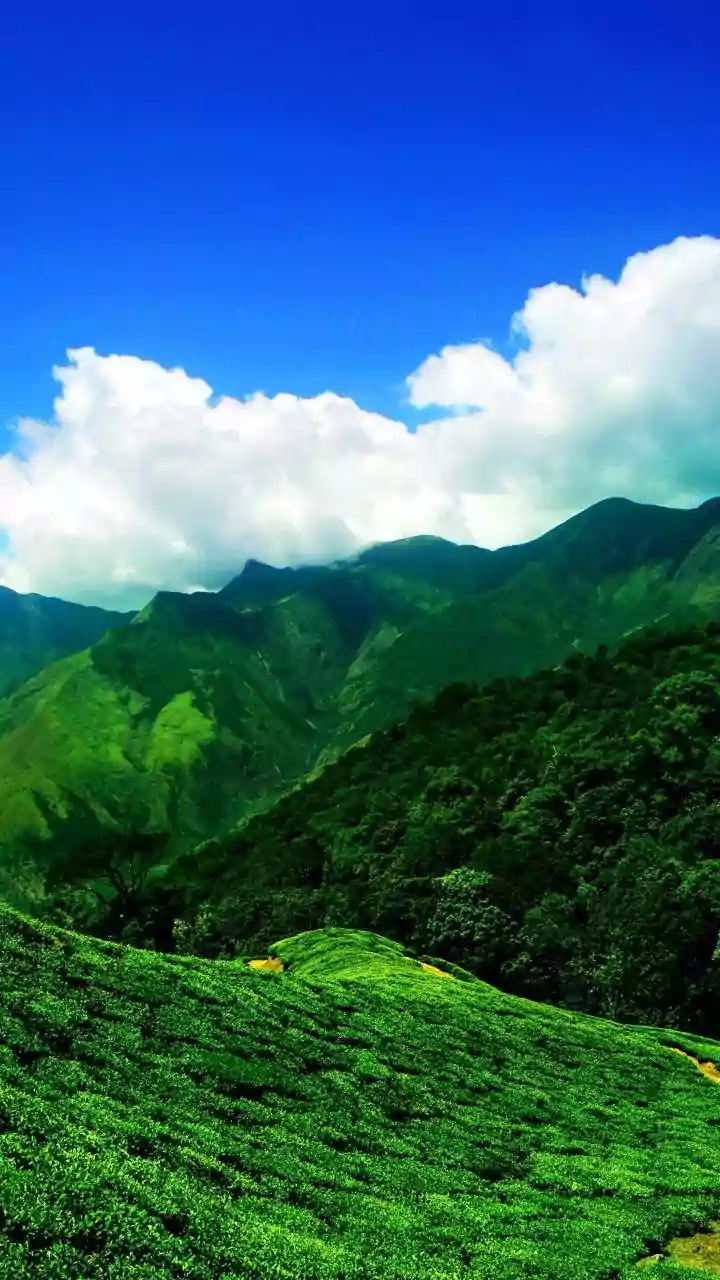
Tucked away in the Western Ghats mountain range of Karnataka in southern India, the district of Kodagu—better known by its anglicized name, Coorg—is a world away from the bustling megacities the country is often known for. Nicknamed the “Scotland of India”
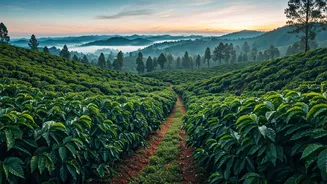
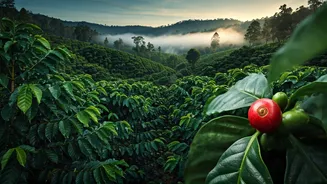
for its rolling green hills, persistent mist, and cool climate, this region is a patchwork of emerald-green rice paddies, dense forests, and, most famously, sprawling coffee plantations. For generations, Coorg has been the heart of India’s coffee production, a place where life moves at a slower pace, dictated by the rhythm of the harvest and the seasons. It’s this unique combination of stunning natural beauty and a deep-rooted coffee culture that makes it an increasingly popular destination for travelers seeking tranquility over tourist traps.
The Magic of a Coffee Estate Stay
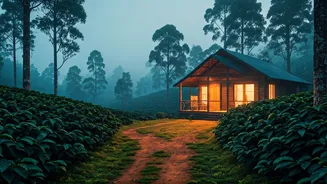
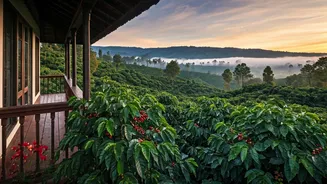
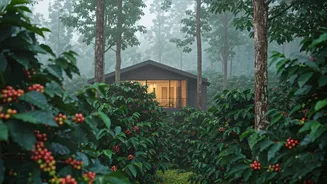
The quintessential Coorg experience isn't found in a conventional hotel. Instead, it’s in a “coffee stay”—a homestay, bungalow, or small resort located directly on a working coffee plantation. These aren't just places to sleep; they are invitations into a different way of life. Many of these homes are ancestral properties, featuring colonial-era architecture with sloping tiled roofs, deep verandahs perfect for watching the rain, and gardens bursting with tropical flowers. The experience is intimate and personal. Hosts often share meals with their guests, offering a taste of the distinct and delicious local Kodava cuisine. Rather than the anonymous feel of a large resort, you get the sense of being a welcome guest in a private, verdant paradise, where the loudest sound is often the chirping of birds or the rustle of leaves.
Why the Monsoon Is the Main Attraction
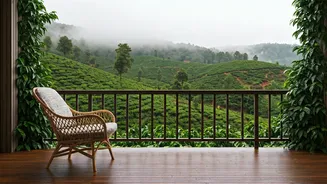
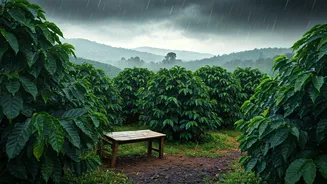
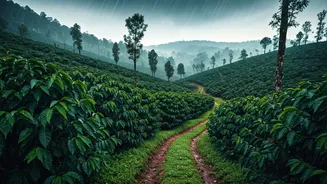
For most vacation spots, rain is a dealbreaker. In Coorg, it’s the main event. The monsoon season, which typically runs from June through September, transforms the region into a spectacle of lush, vibrant green. The rain doesn’t just fall; it performs. It can be a soft, misty drizzle that hangs in the air for hours or a dramatic, thundering downpour that makes the idea of staying indoors utterly irresistible. This is the romance the headline promises. It’s the joy of being curled up in a comfortable armchair with a warm cup of coffee, watching sheets of rain sweep across the hills from the safety of a dry porch. It’s taking a walk just after a storm, when the air is scrubbed clean and the scent of damp soil, pepper vines, and coffee blossoms is intoxicating. The rain encourages you to slow down, disconnect, and simply be present.
From Bean to Cup, Right Outside Your Door
Nowhere else does your morning coffee feel so connected to its source. Waking up on a plantation, you are literally surrounded by the product. Most estate stays offer guided tours where you can walk among the coffee plants (often shaded by massive silver oaks), learn about the difference between Arabica and Robusta beans, and understand the journey from a bright red coffee cherry to a perfectly roasted bean. You’ll see pepper vines clinging to the trees and cardamom plants growing in the underbrush, as Coorg is also famous for its spices. The tour almost always ends with a coffee tasting session, where you can savor a brew made from beans harvested just steps from where you stand. It’s an experience that fundamentally changes your appreciation for that daily cup, connecting you directly to the land and the labor behind it.
Planning Your Rainy Retreat
A trip to Coorg from the U.S. is an adventure, but a manageable one. The nearest international airports are in Kannur (CNN) and Mangalore (IXE), both of which are a scenic, if winding, 3- to 4-hour drive from the heart of Coorg. For the full monsoon experience, plan your visit between late June and early September. Pack light layers, a reliable raincoat, waterproof footwear, and plenty of bug spray. But most importantly, pack the things that help you unwind: a few good books, a portable speaker for music, or whatever you need to settle in and enjoy the enforced coziness. This isn't a trip for a packed itinerary of sightseeing; it’s an opportunity to embrace the quiet and reconnect with nature, and each other.