


1. Master Your Windows
Your windows are a primary source of both beautiful natural light and unwanted energy transfer. According to the U.S. Department of Energy, heat gain and loss through windows are responsible for 25%–30% of residential heating and cooling energy use. But
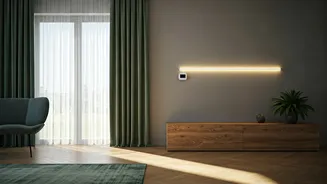
the right interior choices can turn this liability into an asset. High-quality cellular shades, for instance, have a honeycomb structure that traps air, providing excellent insulation. In winter, they keep heat in; in summer, they keep it out. Similarly, thermal curtains with a tight weave and a blackout lining provide a substantial barrier against temperature fluctuations. For a less visible solution, professionally installed low-emissivity (Low-E) window films can reflect infrared heat while still allowing visible light to pass through, keeping your home cooler in the summer without sacrificing brightness.
2. Adopt a Strategic Lighting Plan
Relying on a single, blazing overhead light is a relic of the past. Modern, energy-efficient design employs a layered lighting strategy. Start by switching every bulb to an LED. They use up to 90% less energy and last 25 times longer than traditional incandescent bulbs, saving you money on both your electricity bill and replacement costs. Then, think in layers: use recessed LEDs for overall ambient light, position task lighting like floor or desk lamps for reading and working, and use accent lights to highlight artwork or architectural features. Installing dimmers on all these fixtures is a crucial final step. It allows you to tailor the brightness to your exact needs, which not only saves energy but also creates a more sophisticated and comfortable atmosphere.
3. Let Your Floors Work for You
Flooring is the foundation of a room’s design, and it can also play a role in its thermal performance. Hard surfaces like polished concrete, tile, and stone have high thermal mass. This means they are slow to absorb and release heat. In homes designed with passive solar principles, a sun-drenched concrete floor can absorb heat during the day and radiate it back into the room as temperatures drop at night, reducing heating load. In warmer climates, these same floors feel cool underfoot and help keep interiors comfortable. If you prefer softer surfaces, opt for natural materials. Wool rugs are excellent insulators, adding a layer of warmth and comfort over any flooring type. Cork is another fantastic choice; its cellular structure makes it a great natural insulator for both temperature and sound.
4. Choose Furnishings with Function
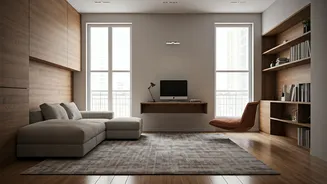
Even your furniture and decor can contribute to an energy-saving interior. When arranging a room, be mindful of airflow. Avoid placing large pieces of furniture, like a sofa or a bookshelf, directly in front of heating and cooling vents, as this forces your HVAC system to work harder to circulate air. Strategic placement of large, solid pieces can also help. A large, heavy bookcase against an external wall can add a small but meaningful layer of insulation. When it comes to materials, densely woven fabrics for upholstery and curtains offer better insulating properties than lighter, more open weaves. Thinking about these small details adds up to a home that regulates its own temperature more effectively.
5. Weave in Smart Technology
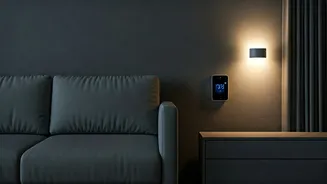
The ultimate expression of a modern, energy-saving home is the seamless integration of smart technology. A smart thermostat, like a Nest or Ecobee, learns your family's patterns and adjusts the heating and cooling automatically, ensuring you're not wasting energy when no one is home. Many can also be controlled from your phone, allowing you to tweak the temperature before you arrive. Extend this intelligence to your windows with automated shades that can be programmed to close during the hottest part of a summer day or open to catch the morning sun in winter. Paired with a smart lighting system that can be dimmed and scheduled remotely, these technologies automate efficiency, delivering significant savings without requiring constant manual adjustment.