

A Festival of Faith and Food
Every year, during the monsoon season, the Kamakhya Temple in Guwahati, Assam, becomes the epicenter of one of the world's most significant spiritual gatherings: the Ambubachi Mela. This massive festival celebrates the divine feminine and the earth's
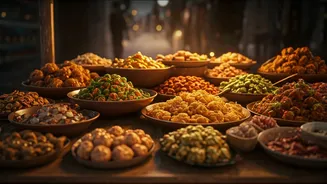
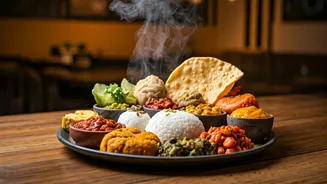
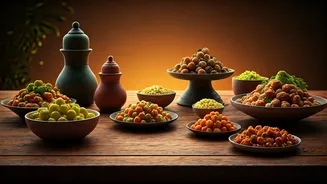
fertility, drawing ascetics, devotees, and curious travelers from across the globe. While the tantric rituals and spiritual energy are the main draw, a parallel event unfolds in the surrounding camps and kitchens: a celebration of Assamese cuisine in its purest, most community-oriented form. For the millions of pilgrims who attend, food is not just sustenance; it's a shared experience, a form of blessing, and a taste of a culture deeply connected to the land.
The Soul of Simplicity: Prasad
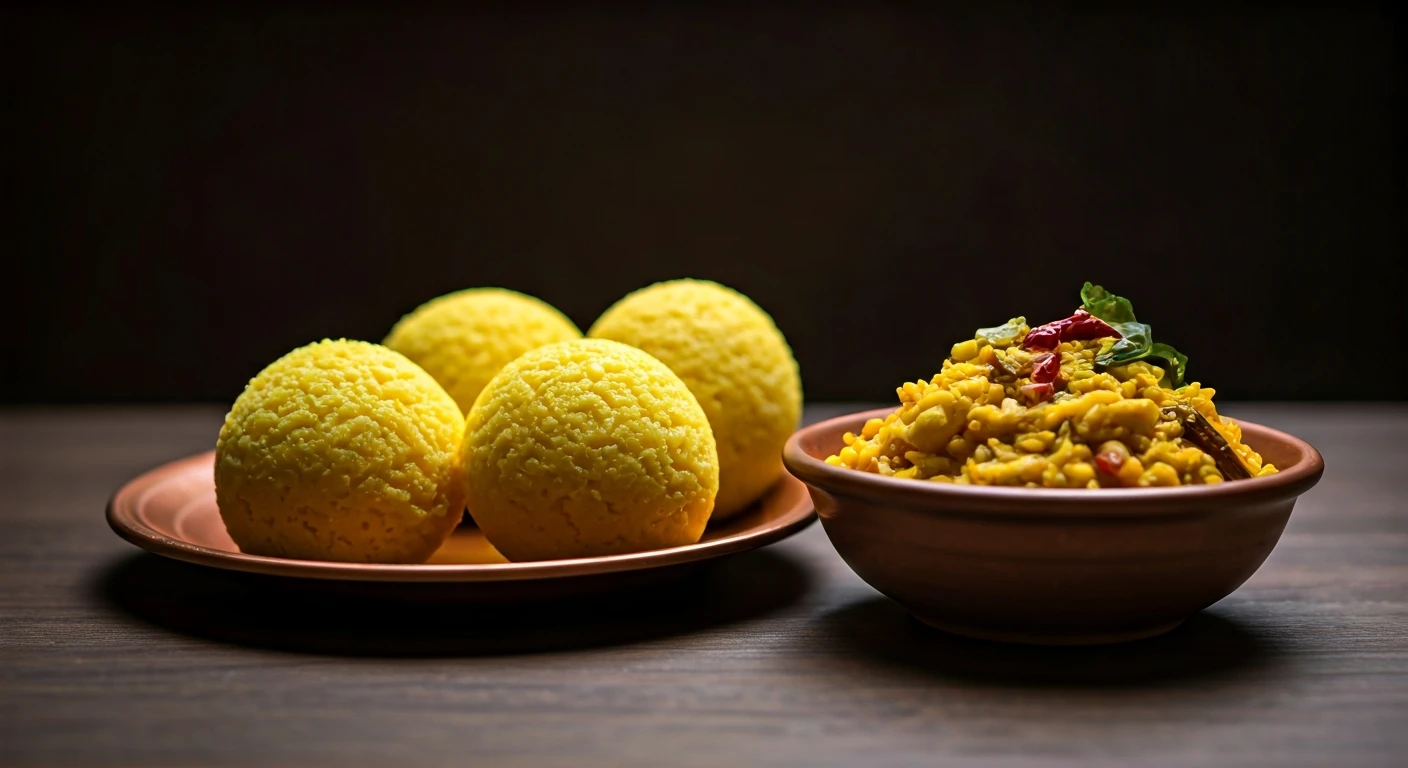
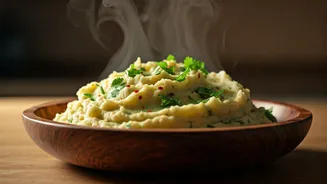
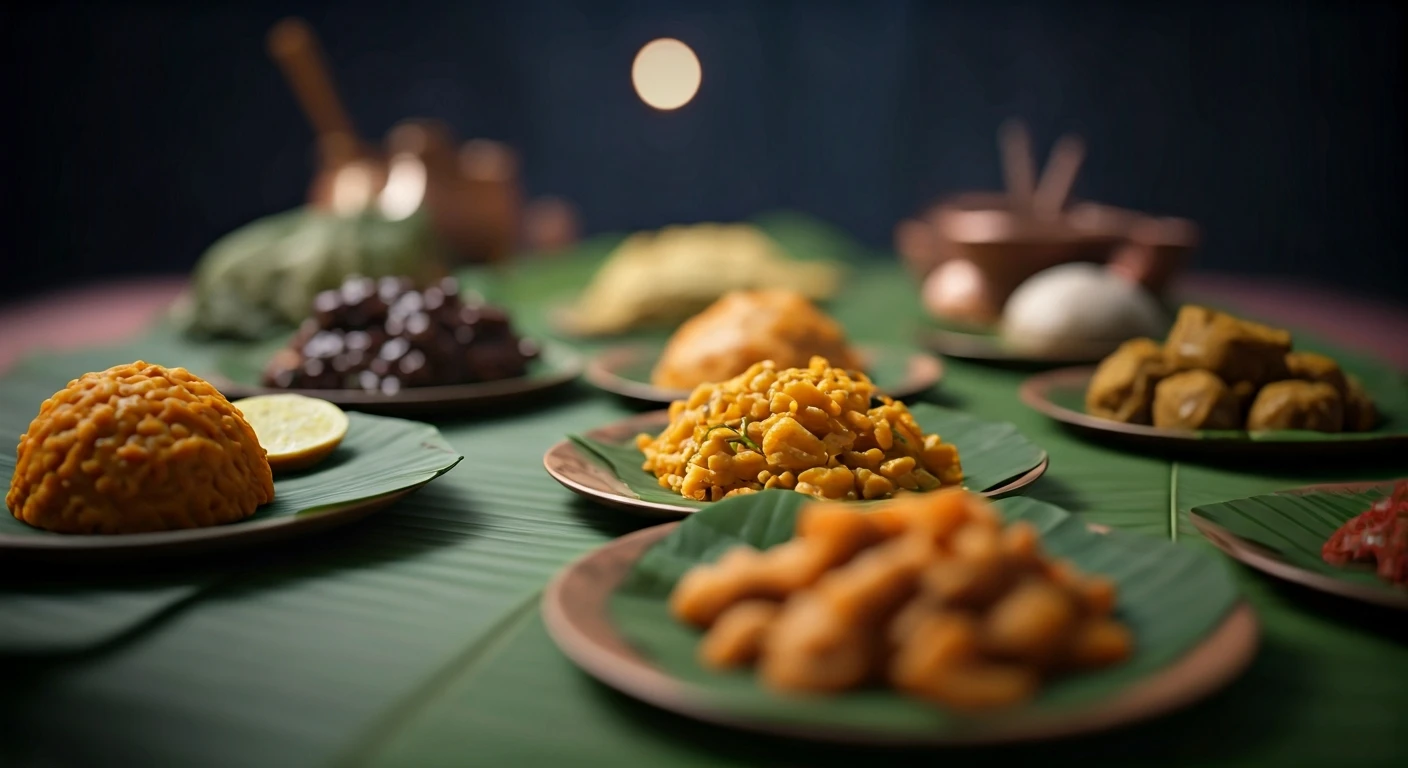
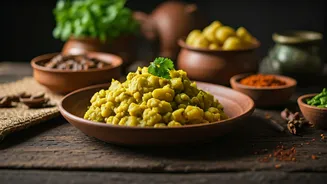
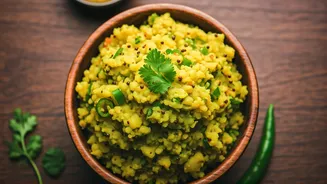
At the heart of the festival's culinary offerings is *prasad*, food that has been spiritually blessed before being distributed to devotees. But this is not an elaborate feast. During the festival's core days, when the temple's inner sanctum is closed, cooking is forbidden on the temple grounds themselves. Instead, vast community kitchens are set up nearby by various organizations to feed the endless stream of visitors. The star dish is often a simple but deeply comforting *khichdi*—a one-pot meal of rice and lentils, seasoned with turmeric and salt. Served on a leaf plate, this humble fare embodies the festival's spirit of equality and selflessness. It’s a meal that strips away complexity to offer pure, shared nourishment, a secret that lies not in a rare spice but in the act of giving.
Flavors from the Assamese Pantry
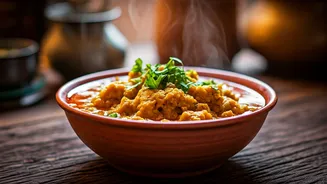
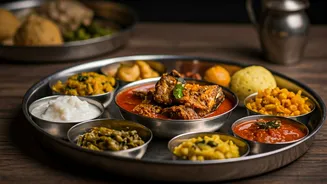
Step away from the main distribution lines and into the makeshift stalls and eateries that pop up around the temple foothills, and the region's more distinctive flavors emerge. Here, you find dishes that speak to Assam’s unique agricultural landscape. Look for simple vegetable curries, or *sabzis*, that highlight local produce. A common one is *kol dil*, or banana flower, stir-fried with potatoes and minimal spices. Another staple is black gram, prepared in a simple dal. These dishes are almost exclusively vegetarian, prepared without onion or garlic as per tradition for such holy occasions, forcing cooks to get creative with other aromatics like ginger, and green chilies.
The 'Secret' Ingredients: Bamboo and Bhut Jolokia
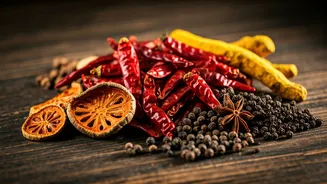
While festival food is often simple, the surrounding culinary culture of Assam is anything but. This is the land of *khorisa*, or fermented bamboo shoot, which lends a pungent, sour, and utterly unique flavor to many dishes. While less common in the immediate *prasad* offerings, its presence is felt in the local food scene. And then there's the legendary *bhut jolokia*, the ghost pepper. Once the world's hottest chili, it's used with precision in Assamese cooking, not to scorch the palate but to add a smoky, fruity heat that builds slowly. At the festival, you might find it in pickles (*achar*) sold at stalls—a fiery souvenir that carries the taste of Assam home with you. These ingredients are the region's true culinary secrets, revealing a sophisticated palate that values fermented, sour, and intensely spicy notes.
Sweetness and Sustenance for the Road
No festival journey is complete without snacks and sweets. In Assam, this means *pitha*, a category of rice cakes that come in countless varieties. You might find simple, steamed rice flour dumplings filled with coconut and jaggery, or pan-fried versions that are crispy on the outside and soft within. These portable, energy-giving treats are perfect for pilgrims who have traveled long distances. Alongside them, vendors sell puffed rice (*muri*) mixed with mustard oil and spices, roasted chickpeas, and fresh-cut fruits like pineapple and jackfruit sprinkled with salt and chili, providing quick, refreshing bites to counter the humid monsoon air.