






How Rain Becomes the Problem
It’s not the rain itself that’s dangerous, but what it does when it hits the ground. Heavy or prolonged rainfall creates what’s known as stormwater runoff. As this water flows over land, it acts like a giant, moving sponge, picking up everything in its path.
That includes contaminants from a variety of sources: animal waste from farms and forests, fertilizers and pesticides from lawns, oil and chemicals from streets, and, most concerningly, overflows from sewer systems and failures in septic tanks. This contaminated soup then makes its way into our water systems. It can seep into the groundwater that feeds private wells, or flow directly into rivers, lakes, and coastal waters where people swim and fish. A single heavy downpour can dramatically increase the concentration of harmful pathogens in these water sources, creating a temporary but significant public health risk.
Meet the Waterborne Culprits
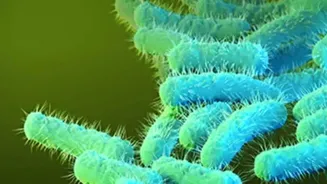
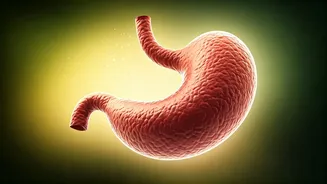
When you hear “stomach infection” or “gastroenteritis,” you’re talking about an inflammation of the stomach and intestines, usually causing vomiting, diarrhea, and cramps. After a major rain event, the risk of encountering the pathogens that cause these symptoms spikes. The main offenders are microscopic but mighty: * **Norovirus:** Highly contagious and famously resilient, norovirus can cause severe vomiting and diarrhea. It’s a common culprit in outbreaks linked to contaminated water. * **Giardia and Cryptosporidium:** These are tiny parasites that can cause prolonged diarrheal illness. They are notoriously resistant to chlorine, meaning they can sometimes survive standard water treatment processes, making them a particular concern for both municipal and well water. * **E. coli and Campylobacter:** These are bacteria often found in the intestines of animals and humans. Certain strains can cause severe illness. Runoff from agricultural areas with livestock is a primary source for contaminating waterways with these bacteria.
Who Is Most at Risk?
While anyone can get sick from contaminated water, some groups and situations carry a higher risk. The most vulnerable are those who rely on private wells for their drinking water. Unlike municipal water systems, private wells are not regularly tested or regulated by the EPA. After a flood or heavy rain, the groundwater feeding these wells can become contaminated without the owner even knowing. A well that is perfectly safe one week can become a source of illness the next. Another high-risk group includes people who use recreational waters. That post-storm swim in the lake or river might seem refreshing, but it could mean swimming in a diluted cocktail of runoff. Health departments often issue advisories against swimming for 24 to 72 hours after heavy rainfall for this very reason. Children, the elderly, and individuals with compromised immune systems are also more susceptible to severe illness from these infections.
Protecting Yourself and Your Family
Awareness is the first step, but practical precautions are what keep you safe. If you are in an area affected by flooding or heavy rain, pay close attention to public health announcements, especially "boil water" advisories. If one is issued, take it seriously—it means your tap water may not be safe to drink without boiling it first for at least one minute. For well owners, it's crucial to have your well inspected for damage after a major storm and to have the water tested for bacteria if you suspect contamination. A good rule of thumb is to test annually, but add an extra test after any significant flooding event near your wellhead. Finally, use common sense. Avoid swimming in lakes, rivers, or oceans immediately after heavy downpours. Don't let children play in puddles of standing water in areas where contamination is likely, such as near overflowing storm drains or in agricultural fields. And as always, diligent handwashing with soap and water is one of the best defenses against a wide range of germs, including those stirred up by the rain.