


Yogurt: The Ultimate Cooling Agent
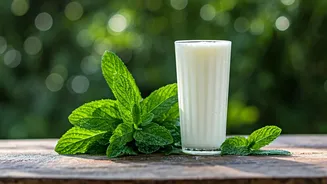
In the sweltering heat of an Indian summer, yogurt (dahi) isn't just a side dish; it's a lifeline. This culinary staple is the base for countless cooling preparations. The most famous is lassi, a yogurt-based drink blended with water, spices, and either
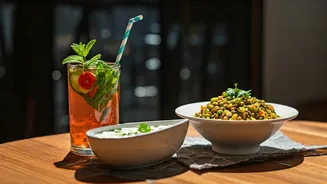
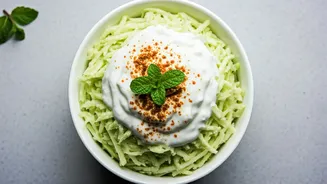
salt (for a savory version) or sugar and fruit (like mango) for a sweet one. Yogurt is a natural probiotic, which aids digestion—a process that can generate internal heat. By soothing the digestive system, it helps cool the body from the inside out. Then there’s raita, a simple dish of yogurt mixed with grated cucumber, chopped mint, or tiny fried chickpea flour balls (boondi). Served alongside spicy main courses, it acts as a delicious fire extinguisher for your palate and your system.
Aam Panna: The Raw Mango Elixir
Before sweet, ripe mangoes flood the market, Indians celebrate the arrival of tart, raw green mangoes. Their primary purpose? To be transformed into aam panna, a spectacular summer cooler. This drink is made by boiling or roasting raw mangoes, blending the pulp with water, cumin, black salt, and mint. It’s sweet, sour, and subtly spiced. But its real genius lies in its composition. Traditionally, it's valued for its ability to prevent heat stroke and replenish the sodium chloride and iron lost through excessive sweating. It’s a natural, homemade electrolyte drink that tastes infinitely better than the neon-blue stuff in a plastic bottle.
Water-Heavy Produce: Cucumber & Melons
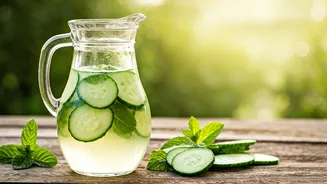
This one seems obvious, but the sheer creativity in its application is not. Cucumbers, which are over 95% water, are a cornerstone of summer eating in India. They’re not just sliced into salads; they are grated into raitas, juiced with mint and lime, or simply peeled and eaten whole with a sprinkle of salt and chili. The same goes for watermelons and other melons, which are enjoyed as simple fruit platters, often dusted with chaat masala—a tangy spice blend that, counterintuitively, makes the cool fruit feel even more refreshing. This strategy is simple: eat your water. These fruits and vegetables provide hydration along with essential vitamins and minerals.
The Right Spices: Fight Heat with Heat (Wisely)
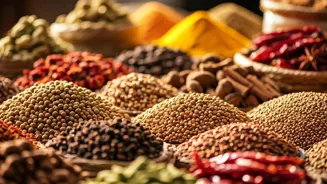
It might seem crazy to eat spicy food in hot weather, but there’s a method to the madness. While you might want to avoid heavy, fiery curries, certain spices are considered “cooling” in Ayurvedic tradition, the ancient Indian science of life. Spices like fennel, coriander, and cumin are believed to reduce body heat and aid digestion. Even a small amount of chili can be beneficial. It induces sweating, which is your body’s most effective natural air conditioning system. As the sweat evaporates from your skin, it cools you down. This is why you'll find these spices, particularly roasted cumin powder, in everything from lassi and raita to aam panna.
Light Grains and Lentils
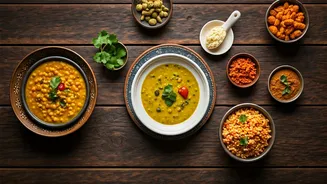
When the temperature soars, the body craves food that is easy to digest. Heavy, oily, and fried foods force the digestive system to work overtime, generating more internal heat. Indian summer meals often pivot to lighter fare. Think simple dal (lentil soup) with steamed rice, or khichdi, a comforting, porridge-like mix of rice and lentils that is famously easy on the stomach. These meals provide sustained energy and protein without the thermal cost of digesting a rich, complex dish, keeping you feeling light and energized rather than sluggish and overheated.
Herbs That Refresh: Mint and Cilantro
Mint and cilantro aren’t just garnishes; they are active ingredients in the battle against heat. Both herbs are renowned for their cooling properties. A handful of fresh mint can be muddled into a glass of water with lemon for an instant refresher (jaljeera), blended into lassis, or ground into a chutney to serve with snacks. The crisp, clean flavor of cilantro brightens up salads and raitas. These herbs provide a burst of freshness that offers immediate psychological relief from the heat, while their traditional properties are believed to help cool the body’s core temperature.