

Why the Desert Beckons Now
For American travelers with a taste for the extraordinary, the reopening of long-haul destinations presents a unique opportunity. India’s tourism sector, particularly in heritage-rich regions like Rajasthan, is eager to welcome visitors back. This translates
to fewer crowds at major sites and a more intimate, authentic experience than was possible in the crowded pre-2020 era. The Thar, also known as the Great Indian Desert, offers a profound sense of escape that feels more necessary than ever. It’s a chance to disconnect from digital noise and reconnect with something ancient, vast, and deeply serene. Tour operators and desert camps, having weathered the quiet years, have refined their offerings, blending traditional hospitality with updated standards of comfort and safety.
Jaisalmer: The Golden City Gateway
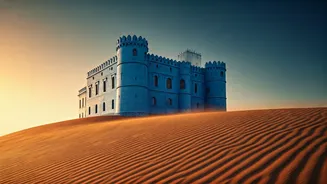
Your journey into the Thar will almost certainly begin in Jaisalmer. This is no mere dusty outpost; it's a breathtaking fortress city that appears to rise organically from the desert sands. Carved from golden-yellow sandstone, the entire city glows at sunrise and sunset, earning it the nickname “The Golden City.” The main attraction is the Jaisalmer Fort, a UNESCO World Heritage site and one of the few “living forts” in the world, with shops, hotels, and homes still operating within its ancient walls. Spend a day getting lost in its labyrinthine alleys, discovering ornate havelis (traditional mansions) with intricately latticed windows, and soaking in panoramic views of the sprawling desert you’re about to explore.
The Classic Camel Safari Experience
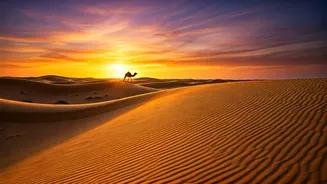
The quintessential Thar adventure is the camel safari. This isn’t just a tourist novelty; it’s a nod to the ancient trade caravans that once traversed these same routes. Options range from short, two-hour sunset rides to multi-day expeditions. A typical overnight safari involves a few hours of gentle trekking by camel in the afternoon, leading you deep into the Sam Sand Dunes. Your guides, often from local desert communities, will set up a simple but comfortable camp. As the sun dips below the horizon, painting the sky in fiery hues of orange and purple, the landscape transforms. The experience of watching the day end in total silence, broken only by the crackle of a campfire, is the very essence of a desert escape.
Sleeping Under a Billion Stars
The true magic of the Thar reveals itself after dark. Far from the light pollution of any city, the night sky is a spectacle of stunning clarity. You can opt for a rustic, back-to-basics setup where you sleep on a simple cot under a blanket of brilliant stars, or choose a more luxurious “glamping” experience. Many permanent desert camps now offer Swiss-style tents with proper beds and private bathrooms, blending creature comforts with the wild setting. Evenings are often spent around a bonfire, enjoying a simple, delicious meal cooked over the flames and listening to local musicians perform haunting Rajasthani folk songs. It’s an immersive cultural experience that feels a world away from home.
Practical Tips for Your Desert Trip
Planning is key to a successful Thar adventure. The best time to visit is during the cooler, drier months from October to March, when daytime temperatures are pleasant and nights are crisp. The summer, from April to June, is dangerously hot and should be avoided. Pack layers: light, breathable clothing for the day, and a warm jacket or fleece for the surprisingly cold desert nights. Sun protection is non-negotiable—bring a wide-brimmed hat, sunglasses, and high-SPF sunscreen. Finally, while credit cards are accepted in Jaisalmer’s larger establishments, cash (Indian Rupees) is essential for smaller shops, tips, and any purchases you might make in remote villages or from local artisans.