



The 60-Second Wiper Check
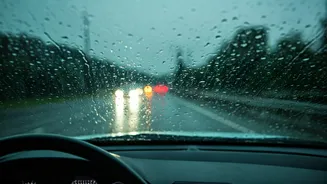
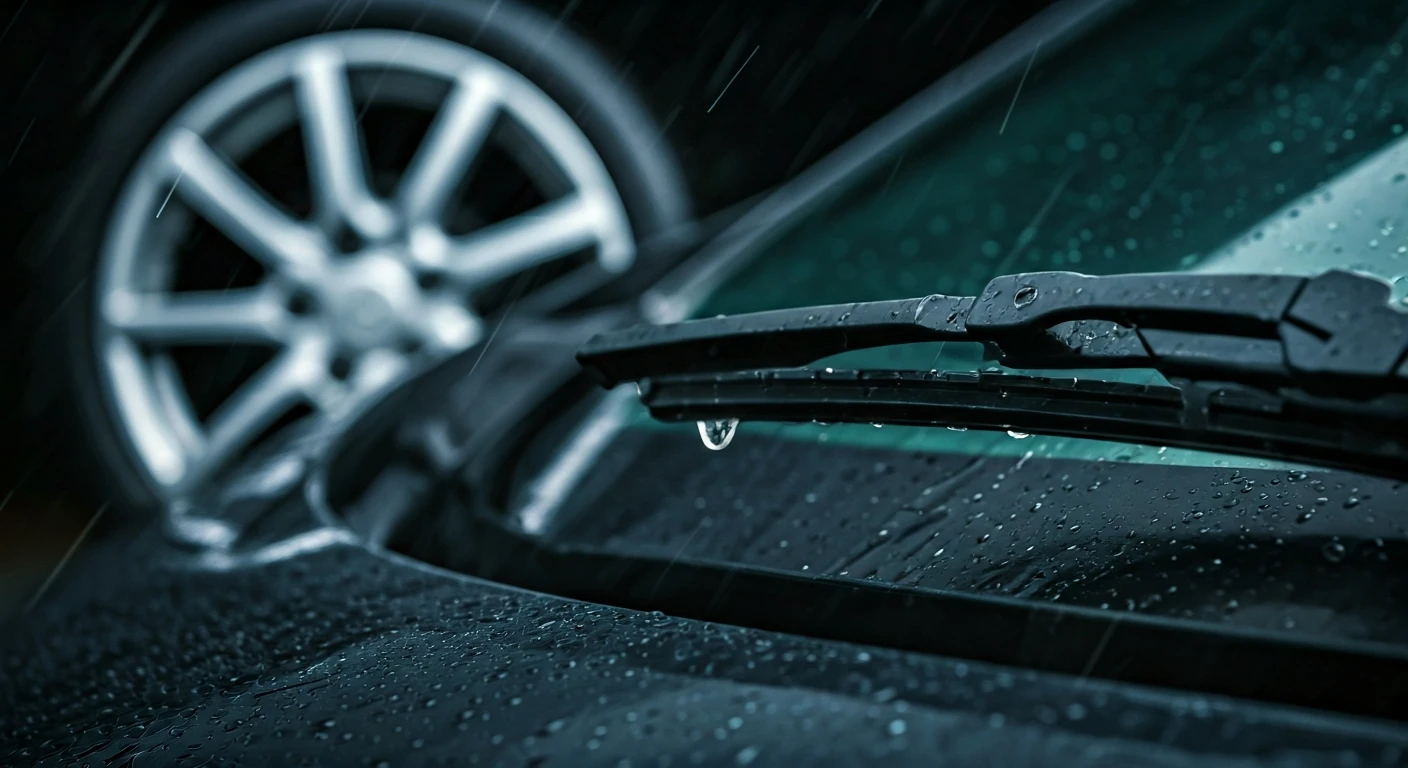
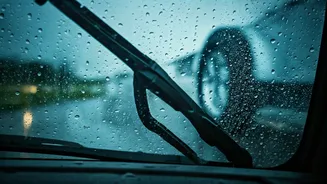
Your windshield wipers are your first line of defense against a downpour. Old, cracked, or hardened rubber won't clear your view effectively, creating dangerous glare and streaks. Lift each wiper arm and run your finger along the rubber blade. If it feels
brittle, chipped, or doesn't flex easily, it's time for a replacement. Test them with your washer fluid. Do they glide smoothly, or do they skip, squeak, or leave behind large wet patches? A new pair of wipers is inexpensive and one of the easiest, fastest ways to improve your visibility and safety. Most auto parts stores will even install them for you for free in just a couple of minutes.
Inspect Your Tires
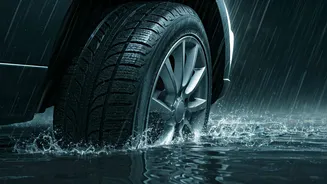
Wet roads demand good traction, and that starts with your tires. First, check the pressure. You can find the recommended PSI on a sticker inside your driver's side door jamb. Under-inflated tires can hydroplane more easily. Most gas stations have air pumps with built-in gauges. Next, check your tread depth with the classic penny test. Insert a penny into the tread with Lincoln's head upside down. If you can see all of Abe's head, your tread is worn down to a dangerous level (below 2/32 of an inch), and you need new tires immediately. Good tread depth is crucial for channeling water away from the tire and maintaining contact with the road.
Test All Your Lights
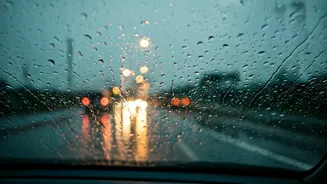
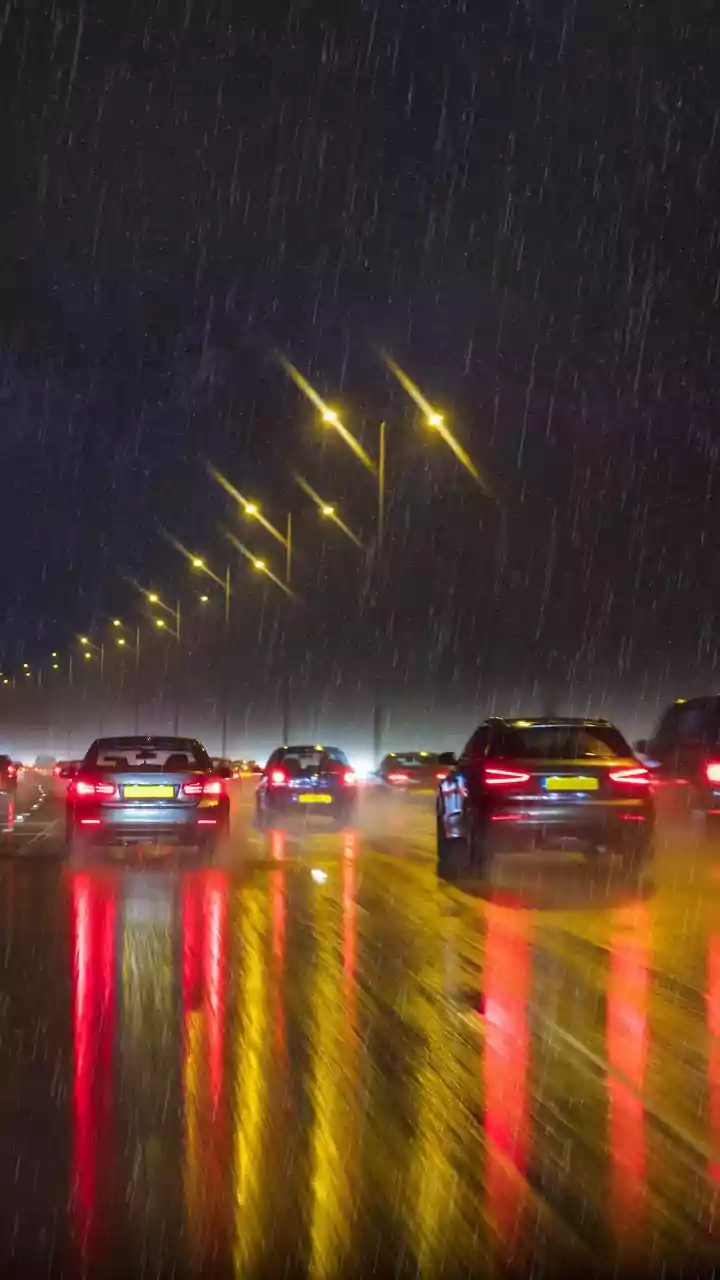
In a torrential downpour, visibility drops dramatically. You need to see, but just as importantly, you need to *be seen*. Take a moment to check your vehicle’s lights. Turn on your headlights—are both working on low and high beams? Walk around the car and check your taillights, brake lights, and turn signals. Ask a friend or family member to help, or simply back up towards a garage door or reflective window at night to see the reflection of your brake lights. A burned-out bulb is a simple fix that prevents a potential rear-end collision in low-visibility conditions.
Check Your Defroster and AC
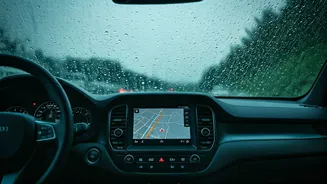
Monsoon season isn't just rain; it's also high humidity, which can fog up your windows in seconds, completely obscuring your view. This is a critical safety issue that many drivers overlook until it's too late. Before you get caught in a storm, test your climate control system. Turn on your front and rear defrosters to ensure they are blowing air effectively. The air conditioning system is also key, as it helps pull moisture from the air inside the cabin. A functioning AC will clear a foggy windshield much faster than just blowing ambient air on it. If the air isn't blowing strong or isn't getting cold, you may need to have your cabin air filter checked or your AC system serviced.
Refresh Your Emergency Kit
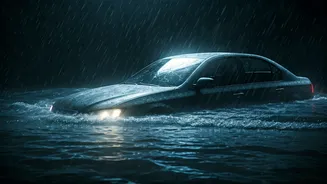
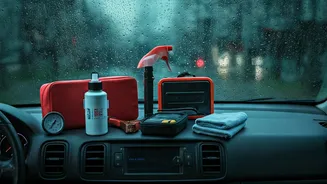
Preparation isn’t just about the car; it's about what’s inside it. If you get stranded by a flash flood or a road closure, having the right supplies makes a huge difference. Your "in-minutes" prep should include a quick inventory of your emergency kit. Make sure you have a phone charger or power bank, a flashlight with fresh batteries, a first-aid kit, and some non-perishable snacks and water. It's also wise to add a poncho or rain jacket and a towel. During monsoon season, jumper cables are especially important, as moisture can sometimes cause issues with batteries. Having these items accessible can turn a potential crisis into a manageable inconvenience.