



So, What Is Pilates, Really?
At its heart, Pilates is a system of mind-body exercise developed in the early 20th century by Joseph Pilates. He originally called his method 'Contrology,' and that name says it all. It’s not about mindlessly repping out exercises; it’s about performing
precise, controlled movements that engage your entire body. The practice synchronizes movement with breath, focusing on a set of core principles: concentration, control, center, flow, precision, and breathing. Unlike workouts that isolate specific muscles, Pilates aims to improve overall functional strength, flexibility, and posture by strengthening the body uniformly, with a special emphasis on the core. It was initially popular with dancers and athletes for rehabilitation and conditioning, which speaks to its effectiveness in building resilient, balanced strength without high impact or heavy weights.
The Core of the Matter
You’ll hear the word 'core' a lot in any Pilates class, but it means more than just a six-pack. In Pilates, the core—or 'powerhouse,' as Joseph Pilates called it—refers to the deep, internal muscles of the abdomen and back. It’s the entire corset of muscles from your ribs down to your pelvic floor. A strong powerhouse provides a stable foundation for all movement, which is why Pilates is so celebrated for improving posture and alleviating back pain. The exercises are designed to pull the abdominals in and up, stabilizing the spine and pelvis. This creates that long, lean look many people associate with the workout, but the real benefit is functional. A stable core allows your limbs to move more freely and efficiently, reducing your risk of injury in other activities, from running to simply lifting groceries.
Mat vs. The Machine
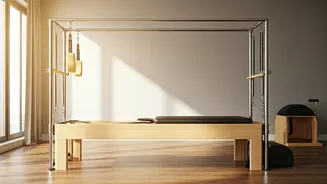
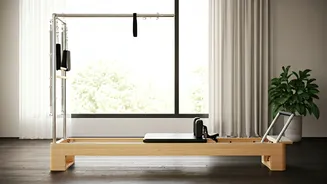
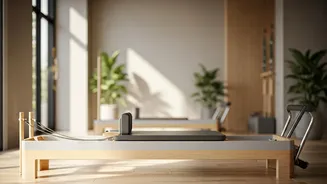
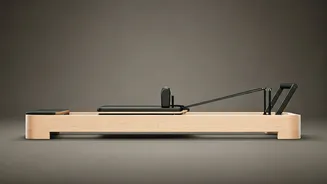
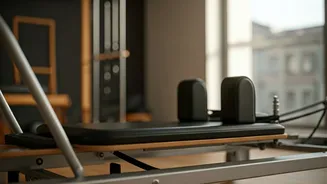
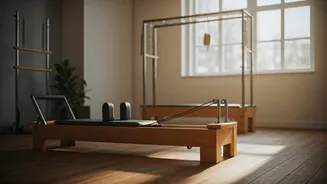
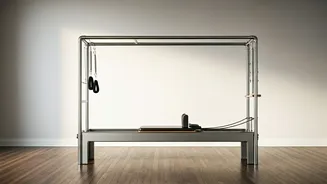
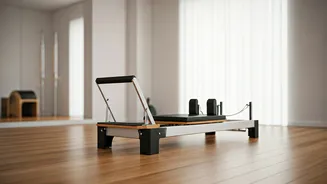
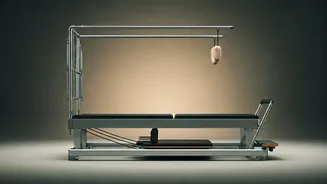
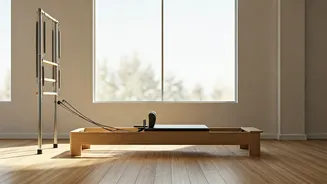
If you’re looking to start, you’ll encounter two main types of Pilates: Mat and Reformer. Mat Pilates is the most accessible version, using your own body weight as resistance to perform exercises on a mat. It’s a fantastic way to learn the fundamentals of breath and control. The Reformer, on the other hand, is the most well-known piece of Pilates equipment. It looks like a futuristic torture device but is actually a sophisticated machine with a sliding carriage, springs, and pulleys that provide resistance and support. The springs can be adjusted to make exercises more or less challenging, making it incredibly versatile for all fitness levels. While mat classes build raw strength and stability, the Reformer adds an element of resistance training that can deepen the work and offer more assistance for proper form, especially for beginners.
But Why Is It So Popular Now?
Pilates has been around for a century, so why the sudden explosion in popularity? It’s a perfect storm of factors. First, the celebrity effect is undeniable; when stars like Hailey Bieber, Kendall Jenner, and Harry Styles are photographed leaving Pilates studios, it generates immense curiosity. Second, it’s visually compelling for social media. The sleek Reformers and graceful, controlled movements are perfect for aspirational TikToks and Instagram Reels. Finally, the pandemic shifted our collective approach to wellness. Many people moved away from punishing, high-intensity workouts and toward more mindful, restorative practices. Pilates, with its emphasis on the mind-body connection and low-impact nature, fits that new ethos perfectly. It promises strength without the strain, making it an appealing and sustainable option for a generation burned out on hustle culture.
More Than Just a Trend
While the hype might be what gets people in the door, the lasting benefits are what make them stay. The 'Pilates body' aesthetic often seen online is a byproduct, not the goal. The real prize is improved body awareness—a better understanding of how your body moves and feels. Practitioners often report standing taller, feeling less stiffness, and moving with more grace and efficiency in their daily lives. Because it’s low-impact, it's a workout you can do for a lifetime, adapting it as your body changes. It complements other forms of exercise by building a strong, stable foundation that can enhance performance and prevent injury in sports and weightlifting. So while the social media buzz might eventually fade, the core principles of strength, flexibility, and control are timeless.