
More Than Just a Recipe
In many Indian families, recipes are not written down in the way a Westerner might expect. They are absorbed. The measurements are not in cups or grams but in 'a pinch of this' or 'a handful of that'—quantities understood viscerally through years of observation.
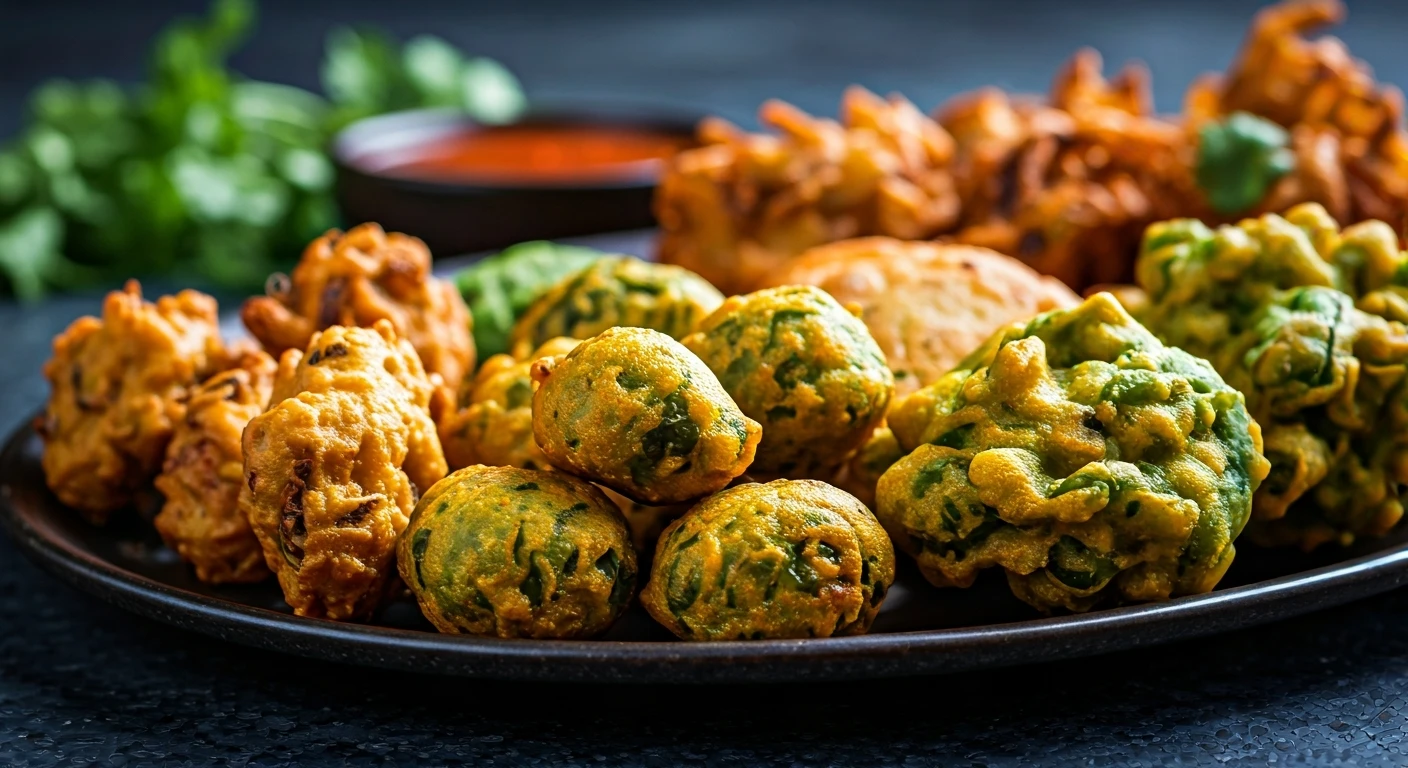
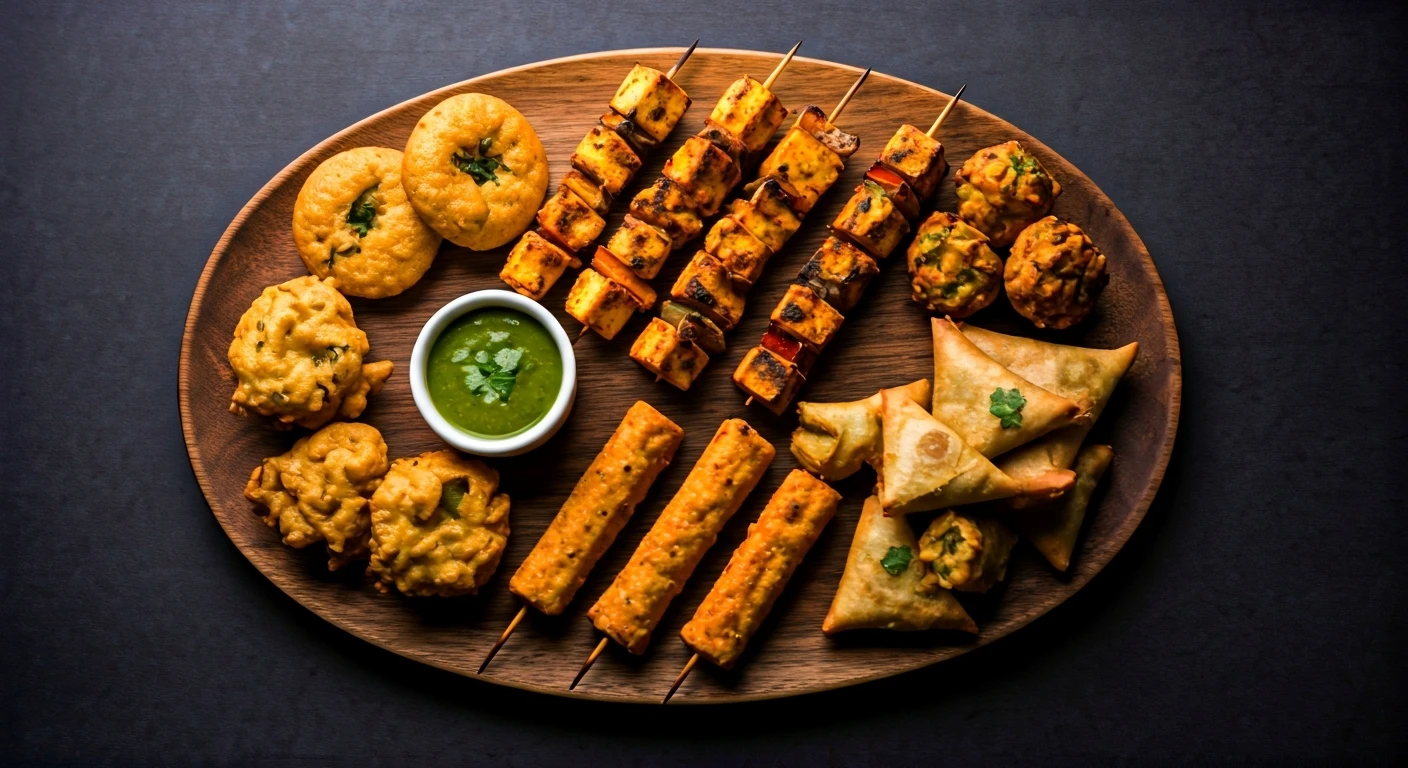
A daughter learns to make her mother’s samosas not by reading a card, but by watching her hands fold the pastry, by smelling the spiced potato filling to know when it’s just right. This is where food memory begins: as an apprenticeship in the family kitchen. The snack, whether it’s a crispy pakora for a rainy afternoon or a sweet shankarpali for Diwali, becomes a tangible link to a matriarch’s touch. The instructions are an oral and sensory tradition, a conversation between generations where the love is embedded in the technique itself. To replicate the snack is to evoke the presence of the person who taught you.
A Bite-Sized History of Place
To speak of an 'Indian snack' is to barely scratch the surface. The subcontinent’s culinary landscape is as diverse as its languages and dialects. A crunchy, spiral-shaped chakli from Maharashtra tells a different story than a tangy, yogurt-drenched dahi vada from the north. The street-side pani puri, with its explosive combination of spicy water, tamarind chutney, and chickpeas, offers a taste of urban hustle. In the south, a simple plate of banana chips fried in coconut oil speaks to the coastal region’s agricultural bounty. These snacks are edible artifacts. Their ingredients tell a story of local trade routes, climate, and historical influences. A recipe for a particular family’s mutton patties might carry the legacy of colonial-era social clubs, while a simple lentil fritter connects to ancient culinary practices. Each bite is a small lesson in geography and history.
An Anchor for the Diaspora
For the millions of Indians living in the United States and across the globe, these snacks serve a deeper purpose. They are a potent cure for homesickness, a way to build community, and a crucial tool for passing on cultural identity to a new generation. The act of gathering ingredients—hunting down fresh curry leaves or the correct type of gram flour at a specialty grocery store—is part of the ritual. Making these snacks for children who may have never lived in India is a way of giving them a taste of their heritage. It’s a sensory bridge to a place they know through stories, photos, and flavors. When a family shares a platter of homemade kachoris, they aren’t just eating. They are performing an act of remembrance, reinforcing their connection to a homeland and to the relatives they may only see on video calls.
From Kitchen Diaries to Instagram Feeds
If these recipes were once closely guarded family secrets, they are now being shared more widely than ever before, thanks to the internet. The tradition is not fading; it's digitizing. Food bloggers, YouTubers, and Instagram influencers are the new keepers of the flame. They document their grandmothers’ recipes with precise measurements and step-by-step video tutorials, making them accessible to a global audience. This digital spice box ensures that the knowledge is not lost as families become more geographically dispersed. It also allows for evolution, as home cooks experiment with new ingredients or adapt techniques for modern kitchens. A classic recipe can now be found, shared, and debated by thousands, ensuring that the collective food memory of India doesn’t just survive—it thrives, innovates, and finds new tables to grace.