






From 'Sick Care' to 'Health Care'
For generations, healthcare in India, as in much of the world, has been overwhelmingly reactive. You feel sick, you see a doctor, you get a diagnosis, you receive treatment. It’s a system designed to fix problems after they arise. But a significant cultural
and technological tide is turning, particularly among the nation’s massive youth population. A new model is gaining traction, one centered on prevention. This approach uses data and diagnostics to identify health risks *before* they become full-blown crises. It’s a fundamental pivot from “sick care” to “health care,” and it’s being driven by a confluence of rising incomes, greater health awareness, and the disruptive power of technology. This isn't about eliminating emergency rooms; it's about reducing the number of people who end up needing them for chronic, preventable conditions.
The Young and the At-Risk
It might seem counterintuitive for the youngest demographic to be leading this charge. But in India, the need is stark. Lifestyle diseases that once primarily afflicted older populations—such as Type 2 diabetes, hypertension, and high cholesterol—are now appearing with alarming frequency in people under 40. Urbanization, more sedentary jobs, and changing dietary habits have created a new set of health challenges. This generation is witnessing their parents and grandparents struggle with chronic illnesses and is realizing that their own lifestyle puts them on a similar, if not accelerated, path. Spurred by a post-pandemic surge in health consciousness, many young Indians are concluding that waiting for symptoms is a risk they can't afford to take. They are the first generation to grow up with the internet, and they are using that digital fluency to take control of their health in unprecedented ways.
The Diagnostic Toolkit
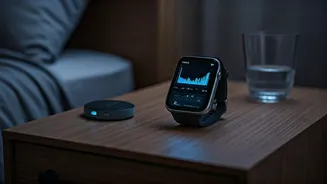
This shift is powered by a burgeoning ecosystem of accessible and affordable diagnostic services. National chains of diagnostic labs offer comprehensive health packages—covering everything from blood counts and vitamin levels to lipid profiles and liver function tests—for as little as $20-$30. These services are often paired with at-home sample collection, removing the friction of a hospital visit. Beyond traditional labs, a wave of health-tech startups has entered the market. They offer everything from wearable devices that track vital signs to smartphone apps that analyze diet and lifestyle. Some even offer genetic testing to identify predispositions to certain conditions. Corporate wellness programs have also become standard, with many companies now offering—and sometimes mandating—annual preventive health check-ups for their employees, further normalizing the practice among young professionals.
Challenges and Opportunities
While the headline suggests a complete replacement, the reality is more nuanced. The trend is currently most pronounced among India's urban, middle-class population. Access to these services remains a significant challenge in rural areas, where the majority of Indians live and where the public health infrastructure is often weaker. There’s also the risk of over-testing and health anxiety, where an abundance of data leads to unnecessary worry or misguided self-treatment. However, the potential upside is enormous. By catching conditions early, India can potentially reduce the long-term burden on its healthcare system, which is struggling to cope with the dual threat of infectious diseases and the rising tide of non-communicable ones. For a nation with over 600 million people under the age of 25, making even incremental progress in preventive health can have a profound impact on national productivity and well-being.
A Blueprint for the Future?
The developments in India offer a fascinating case study for the rest of the world. As the planet's most populous nation, it is serving as a real-time laboratory for implementing digital health solutions at an unprecedented scale. The country is demonstrating how a combination of cultural shifts, market forces, and technological innovation can rapidly move a health system toward prevention. While the Indian context is unique, the challenges it faces—aging populations, rising lifestyle diseases, and strained health budgets—are universal. The solutions being pioneered there, from low-cost diagnostic packages to app-based wellness coaching, could provide a blueprint for how other nations, both developing and developed, can leverage technology to build healthier, more resilient populations for the future.