






Beyond the Beach Rave
For decades, the American imagination pictured Goa, if at all, as India’s trance-and-techno-fueled Ibiza. A sliver of coastline where backpackers and global party people chased endless beats until sunrise. While that scene hasn't vanished entirely, it
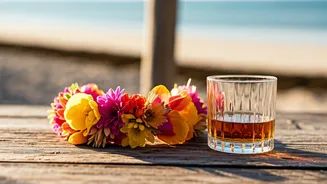
no longer defines the state’s magnetic pull. A quieter, more soulful revolution is underway, particularly in the chic villages of North Goa like Assagao and Siolim. The new currency of cool isn’t an imported DJ; it’s a connection to the place itself. It’s a vibe driven by artists, chefs, and entrepreneurs—many from other parts of India—who are consciously rejecting generic globalism in favor of something deeply, unapologetically Goan. This shift is best understood through two simple, beautiful objects: a crown of fresh flowers and a glass of local liquor.
A Crown of Fragrant Flowers
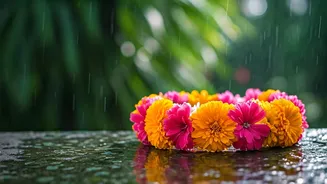
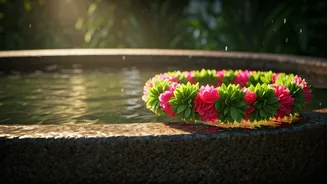
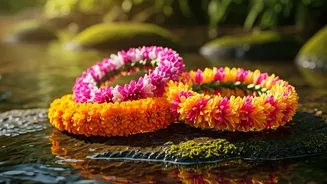
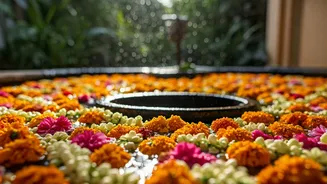
The flower crowns, woven from fragrant jasmine and other local blooms, are not a new invention for Instagram. They are ‘kopels,’ a traditional adornment worn for centuries, especially during the São João festival in June, a monsoon-season celebration of fertility and joy. But what was once a seasonal, hyper-local tradition has blossomed into a year-round symbol of Goan bohemian style. You’ll see them at chic Sunday brunches, worn by patrons at designer boutiques, and offered to guests at serene, yoga-centric retreats. The kopel has become shorthand for a certain kind of travel: slow, mindful, and rooted in place. It represents an appreciation for handmade beauty and ephemeral moments, a stark contrast to the neon-and-laser aesthetic of the party scene it’s quietly displacing. Wearing one signals you’re not just a tourist passing through; you’re a traveler tapping into the romantic, pastoral soul of the region.
The Spirit of Goa, Bottled
Just as the kopel reimagines tradition, so too does Goa’s booming cocktail scene. For years, the state’s most famous spirit, feni, was dismissed as a rustic moonshine—a potent, pungent liquor distilled from either cashew fruit or coconut sap, beloved by locals but intimidating to outsiders. Its lighter, single-distilled seasonal cousin, urrak, was even more of a local secret. Not anymore. A new wave of mixologists and bar owners are championing these heritage spirits, placing them at the heart of sophisticated cocktail programs. Trendy bars dotting the coast now serve feni-based Negronis and urrak sours infused with local kokum fruit or chili. This isn’t just about drinking local; it’s a reclamation of pride. By treating feni with the same respect as tequila or gin, these establishments are educating a new audience, transforming the once-humble spirit into a premium, must-try experience. It’s the taste of Goa—complex, surprising, and utterly unique.
The Search for Authenticity
So why flowers and feni? And why now? Both trends are part of a larger global shift in travel, one accelerated by the post-pandemic desire for more meaningful experiences. Travelers are increasingly seeking authenticity, not manufactured fun. They want to connect with the culture of the places they visit, support local economies, and find beauty in things that can’t be easily replicated elsewhere. The flower crown is a tactile link to Goan flora and craft; the feni cocktail is a literal taste of its terroir. Together, they represent a move away from the imported and the mass-produced. They are symbols of a new Goa that is confident in its own identity, offering a luxury that is defined not by price tags, but by its connection to history, nature, and community.