


Chaas: The Ultimate Savory Cooler
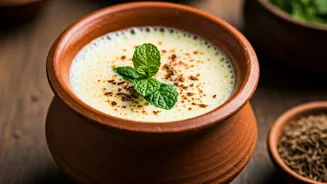
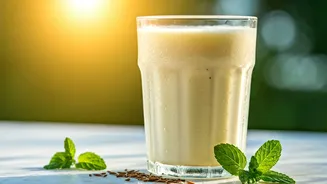
First, let’s get one thing straight: this is not the thick, gloopy buttermilk you find in a carton at the supermarket. Chaas, also known as lassi in some regions or ‘mor’ in the south of India, is a light, refreshing, and profoundly hydrating drink. At
its core, it’s a simple blend of yogurt, water, and spices. The magic, however, lies in the details. Made from traditional dahi (yogurt), chaas is teeming with live cultures that aid digestion. It’s the perfect antidote to a heavy meal on a hot day, cutting through richness and settling the stomach. The drink is typically seasoned with roasted cumin powder, fresh cilantro, a pinch of ginger, and kala namak (a pungent, sulphurous black salt). This combination isn’t just for flavor; these spices are known in Ayurvedic tradition to have digestive and cooling properties of their own. Served chilled, it’s a savory, tangy beverage that quenches thirst far more effectively than a sugary soda ever could. Think of it as a hydrating, salt-and-spice-laced cousin to Gatorade, but with the added bonus of happy gut bacteria.
Lassi: More Than a Mango Smoothie
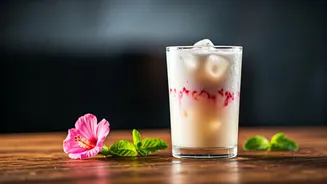
For many Americans, ‘lassi’ is synonymous with the sweet, thick mango lassi found on every Indian restaurant menu. And while delicious, that’s just one popular iteration of a much broader category. The original, and arguably more traditional, lassi is a simpler affair: yogurt, water, and a touch of salt or sugar, churned until frothy. The key is the quality of the yogurt. A proper lassi is made from full-fat, homemade-style yogurt that’s naturally tangy and packed with probiotics. The churning process doesn’t just mix the ingredients; it breaks down the proteins, making it easier to digest. A simple, salty lassi is a powerhouse of electrolytes and bacteria that helps your body rehydrate and maintain balance during sweltering heat. The sweet version, often flavored with cardamom or rosewater, is a treat, but the fundamental probiotic benefit comes from the fermented dairy base itself. It’s a complete, cooling mini-meal in a glass that has been perfected over centuries.
Kanji: A Funky, Fermented Health Bomb
If chaas and lassi are the friendly, accessible entry points to Desi probiotics, Kanji is their funky, deeply complex older sibling. This traditional fermented drink, popular in North India, is a world away from yogurt-based beverages. It’s typically made by fermenting black carrots (a specific, seasonal variety) or beets in water with salt and mustard seeds. The mixture is left in a clay pot in the sun for several days, allowing wild yeasts and bacteria to work their magic. The result is a stunningly magenta-colored liquid with a pungent, sour, and slightly spicy flavor profile that can be an acquired taste. For those who love the tang of kombucha or the earthiness of kvass, Kanji will feel both familiar and excitingly new. It’s a true health tonic, loaded with lactobacillus bacteria and antioxidants from the carrots or beets. Traditionally consumed around the spring festival of Holi, it’s believed to cleanse the system and prepare the body for the coming summer heat. Finding it in the U.S. is a treasure hunt, but it’s a prime example of the sophisticated fermentation science embedded in Indian culinary traditions.