


More Than Just a Potted Plant
First, let’s get the definition straight. Biophilic design is more than the ficus you forgot to water last week. Coined from the term “biophilia,” which describes humanity's innate tendency to connect with nature, this design ethos is about systematically
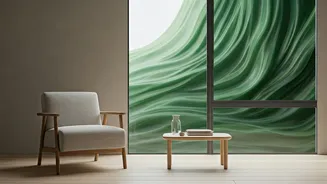
integrating the natural world into the built environment. It’s a holistic approach that goes beyond simple decoration. We’re talking about creating multisensory experiences that mimic the restorative effects of being outdoors. This can include direct connections, like indoor gardens, water features, and an abundance of houseplants. But it also involves indirect connections: maximizing natural light, using natural materials like wood and stone, incorporating patterns and shapes from nature, and ensuring views of green spaces from windows. The goal isn't just to make a space look good, but to make its inhabitants feel good—calmer, more focused, and healthier.
An Antidote to the Concrete Jungle
So why is this trend taking off so dramatically in India’s megacities right now? In a word: wellness. Cities like Mumbai, Bangalore, and Delhi are dynamic, fast-paced hubs of economic activity, but that energy comes with a price. Millions of people live in high-density apartments, often with limited access to public parks and green spaces. The daily grind can involve long commutes, noise, and air pollution. The home has become the primary sanctuary, the one place to decompress and escape. Biophilic design offers a powerful antidote to urban-induced stress. Architects and designers report a surge in client requests for interiors that feel like a retreat. After years of prioritizing sleek, minimalist, and sometimes sterile modernism, urban Indians are craving a tangible connection to nature as a form of self-care. It’s a quiet rebellion against the stresses of modern city living, transforming apartments into personal wellness zones.
A Modern Twist on Ancient Roots
While the term “biophilic design” is contemporary, the concept itself is deeply embedded in traditional Indian architecture. For centuries, Indian homes were designed in harmony with their environment. Think of the classic 'aangan' (central courtyard), a common feature that brought light, air, and often a small garden or a tulsi plant into the heart of the home. Verandas, latticed screens ('jaalis') that create plays of light and shadow, and the use of local, natural materials like terracotta, teakwood, and marble are all historical examples of biophilic principles. The current trend isn't an import of a foreign idea so much as a reawakening and modernization of this architectural heritage. Today’s designers are cleverly adapting these traditional elements for high-rise apartments, creating 'sky-courtyards' on balconies or using modern jaali partitions to divide spaces while allowing airflow and light to pass through.
What It Looks Like in Practice
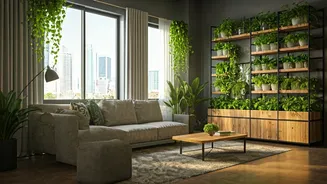
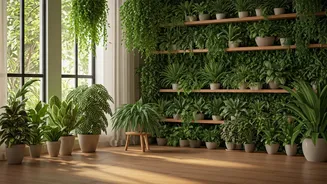
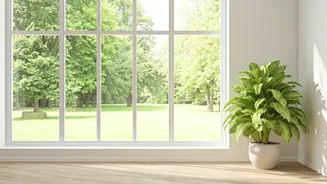
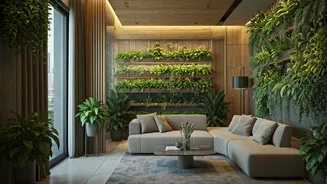
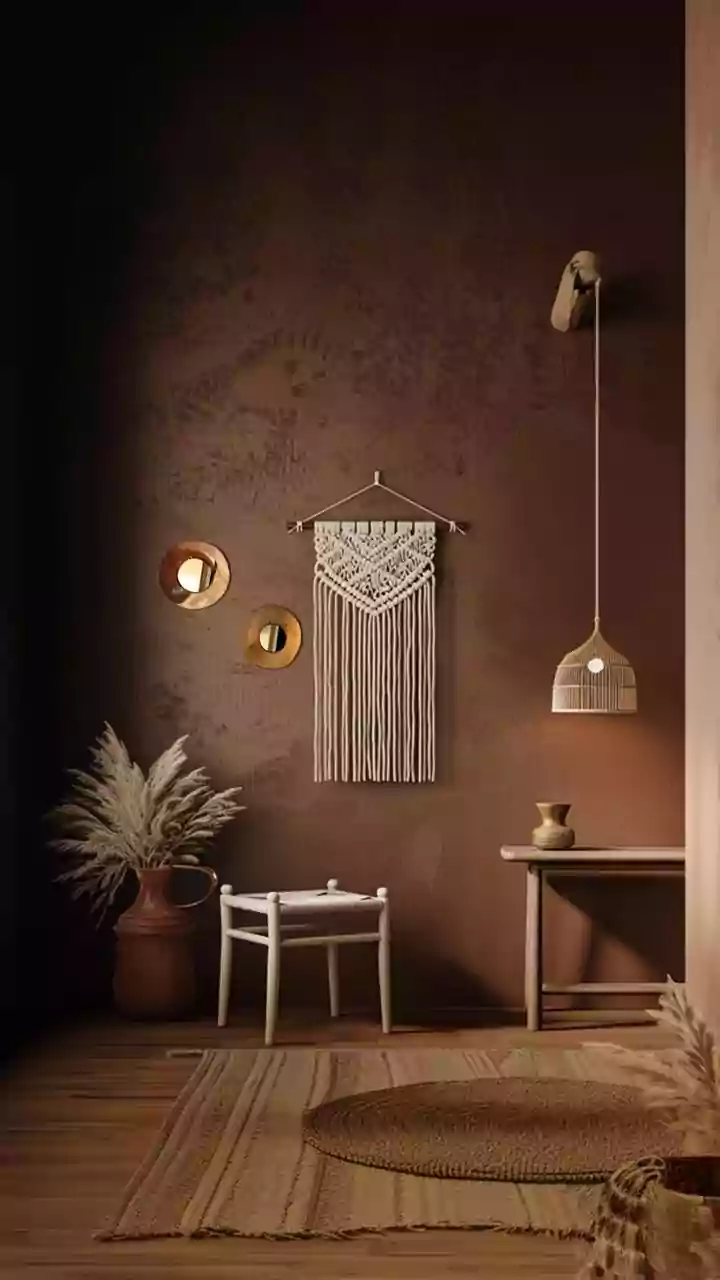
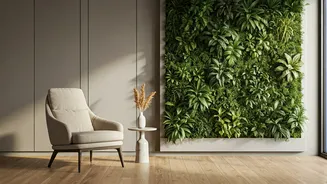
Walk into one of these transformed homes, and the effect is immediate. A living wall covered in lush, tropical foliage might dominate a living room, acting as both a piece of art and a natural air purifier. A previously dark corner might now house a small, burbling water feature, its gentle sound masking city noise. Large, unadorned windows frame whatever greenery is available outside, be it a single tree or a distant park. Furniture is often made of light-colored woods, rattan, or bamboo, paired with textiles in earthy tones. The plant selection itself is a celebration of the local climate, with hardy, air-purifying plants like snake plants, money plants, and areca palms thriving indoors. The result is a space that feels alive, breathing and changing with the light of the day. It’s a far cry from a sterile box in the sky; it’s a living, breathing extension of its inhabitants’ desire for peace and connection.