






Start with a Muted, Earthy Palette
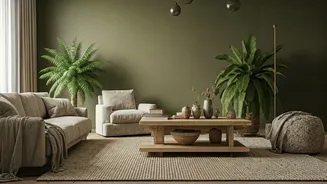
The foundation of the monsoon aesthetic is a color scheme that mimics a rain-washed landscape. Think less about bright, sunny hues and more about the deep, saturated tones of damp earth, misty mornings, and lush foliage. Start with a base of soft grays,
warm beiges, and muted whites. Then, layer in shades of olive, sage, and forest green to evoke a sense of plant life thriving in the humidity. Accents of deep charcoal, slate blue, or even a rich, earthy brown can add depth and contrast without disrupting the overall sense of calm. The goal is to create a space that feels enveloping and grounding, like being wrapped in a cozy blanket on a drizzly afternoon.
Incorporate Raw and Natural Textures
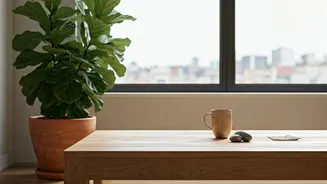
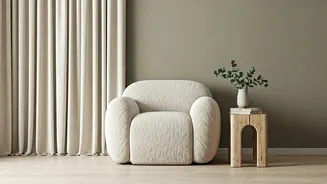
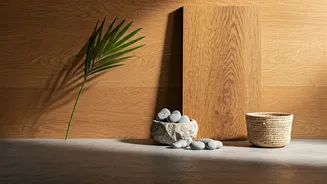
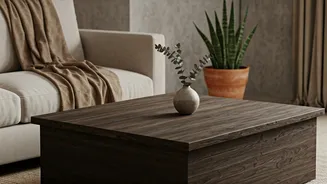
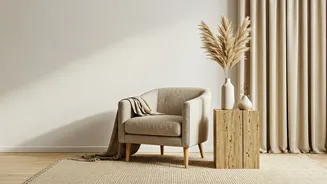
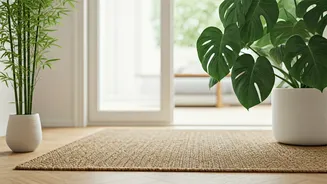
Simplicity doesn't mean boring; it means focusing on authentic, tactile materials. This style is all about texture you can see and feel. Swap out glossy, synthetic finishes for materials that connect you to the natural world. Think unfinished or lightly stained wood for furniture, woven jute or sisal for rugs, and rattan or wicker for chairs and decorative baskets. For textiles, choose breathable, natural fabrics like linen for curtains and throw pillows, or a chunky wool knit for a blanket. These materials add visual warmth and prevent the minimalist palette from feeling cold or sterile. Each piece tells a story of its origin, adding a layer of imperfect, organic beauty to the room.
Bring the Lush Outdoors In
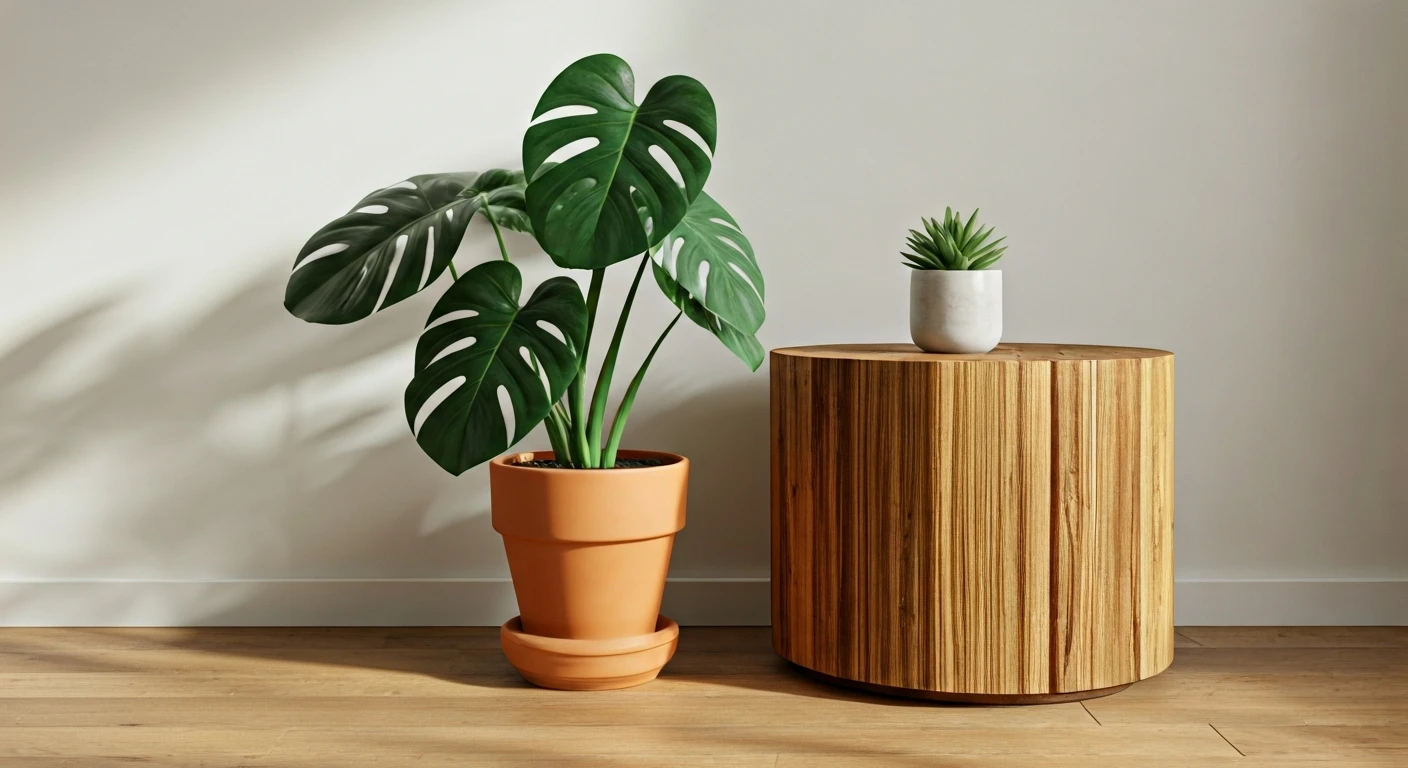
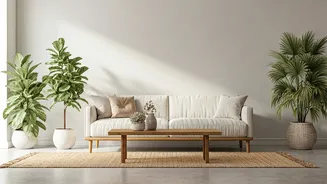
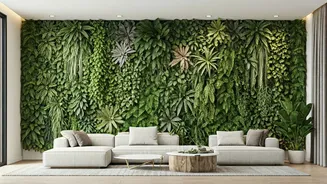
A core tenet of monsoon-inspired design is biophilia—the innate human desire to connect with nature. The easiest way to do this is by filling your space with houseplants. Choose species that thrive in lower light and appreciate humidity, like ferns, snake plants, and philodendrons. Grouping plants of various sizes and leaf shapes can create the feeling of a miniature indoor garden. If you lack a green thumb, you can still embrace the theme with high-quality botanical prints, pressed-flower art, or vases filled with fresh-cut eucalyptus or monstera leaves. This living décor purifies the air and provides a constant, gentle reminder of the world outside.
Master Soft, Diffused Lighting
Harsh, direct overhead lighting is the enemy of a tranquil space. To capture the moody, atmospheric quality of a rainy day, focus on creating layers of soft, diffused light. Start by dressing your windows with sheer linen curtains that soften incoming daylight without blocking it completely. For artificial lighting, use multiple sources at different heights. A floor lamp with a fabric shade in one corner, a small table lamp on a side table, and perhaps some dimmable sconces can create a warm, inviting glow. Use warm-temperature LED bulbs (around 2700K) to mimic the gentle light of dusk or a heavily overcast sky, ensuring the room feels cozy and intimate, not dark and gloomy.
Declutter with Purposeful Intent
The “simplicity” in monsoon décor is about more than just a clean look; it’s a mindset. Just as a heavy rain washes the dust from the streets, this style encourages a clearing of unnecessary clutter from our homes. This isn’t about sterile minimalism but about thoughtful curation. Keep surfaces clear, and ensure every object in the room has a purpose or brings you genuine joy. Use natural woven baskets or wooden chests for stylish storage to hide away everyday necessities like remote controls and chargers. By reducing visual noise, you give your mind space to rest and recharge, allowing the calming elements of the room to take center stage.
Engage the Senses with Natural Scents
To fully immerse yourself in the monsoon sanctuary, appeal to your sense of smell. Scent is powerfully linked to memory and emotion. Introduce fragrances that evoke the feeling of rain, damp earth, and lush forests. Consider a diffuser with essential oils like sandalwood, cedarwood, or vetiver for a grounding, woodsy aroma. A high-quality candle with notes of petrichor—the distinct scent of rain on dry earth—can instantly transport you. Even simple things, like a bowl of moss on a coffee table or the natural fragrance of your wooden furniture, contribute to a multisensory experience that deepens the feeling of peace and connection to nature.