



What 'Risky Snacking' Really Means
The term 'risky' doesn't imply immediate, life-threatening danger. In a nutritional context, it refers to the cumulative health risks associated with a diet high in ultra-processed snack foods. These are typically items engineered for a long shelf life and
hyper-palatability, often loaded with refined carbohydrates, unhealthy fats, sodium, and added sugars. Think chips, cookies, candy bars, and sugary sodas. According to numerous health experts and organizations like the American Heart Association, the problem with these snacks is twofold. First, they provide a rush of 'empty calories'—energy without significant nutritional value like vitamins, minerals, or fiber. Second, their high sugar and refined carb content can cause rapid spikes and subsequent crashes in blood sugar. This leaves you feeling sluggish, foggy, and hungry again shortly after eating, perpetuating a cycle of poor snacking.
The Nutritional Power of Fresh Foods
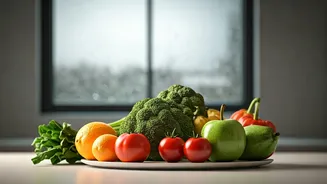
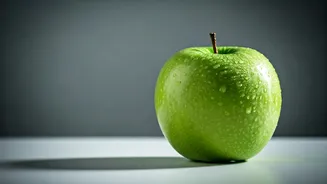
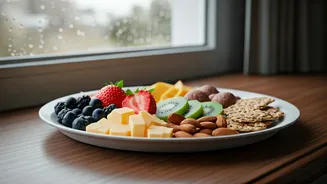
When doctors and dietitians advocate for fresh food, they're championing nutrient density. Unlike their processed counterparts, whole foods like fruits, vegetables, nuts, and yogurt deliver a complex package of benefits. A crisp apple, for example, provides not just natural sugars for energy, but also fiber, water, and essential micronutrients. The fiber is key—it slows down the absorption of sugar into the bloodstream, preventing the dramatic energy crash associated with a candy bar. This leads to more sustained energy and better focus throughout your day.
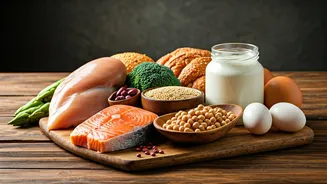
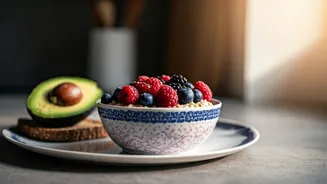
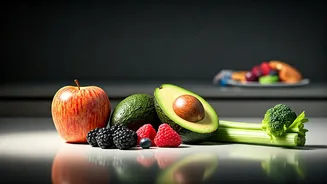
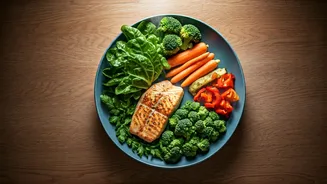
Furthermore, fresh foods support overall health in ways processed snacks simply can't. The antioxidants in berries help fight cellular damage, the healthy fats in avocados and nuts support brain function, and the protein in Greek yogurt helps build and repair tissues while promoting a longer-lasting feeling of fullness. Choosing these options isn't just about avoiding the 'bad'; it's about actively fueling your body with the 'good.'
Simple Swaps for Smarter Snacking
Making the switch doesn't require a radical overhaul of your life. It starts with simple, intentional substitutions that satisfy your cravings in a healthier way.
Craving something crunchy and salty? Instead of potato chips, try a handful of roasted almonds, crunchy snap peas, or baby carrots dipped in hummus. The combination of fiber and protein in the hummus will keep you satisfied far longer.
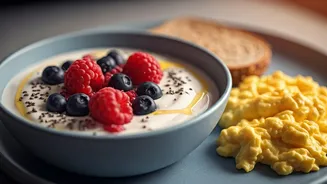
Need a sweet fix? Pass on the cookies or candy and reach for a bowl of Greek yogurt topped with fresh berries and a drizzle of honey. A pear, a handful of grapes, or a few squares of dark chocolate (70% cacao or higher) can also effectively curb a sugar craving while providing antioxidants and other benefits.
Looking for something substantial to hold you over until dinner? A hard-boiled egg is a portable powerhouse of protein. Cottage cheese with sliced peaches or a small avocado with a sprinkle of sea salt are also excellent, filling choices that stabilize blood sugar.
Making the Healthy Choice the Easy Choice
The biggest advantage processed snacks have is convenience. To successfully shift your habits, you need to make fresh foods just as easy to grab. This is where a little planning makes all the difference.
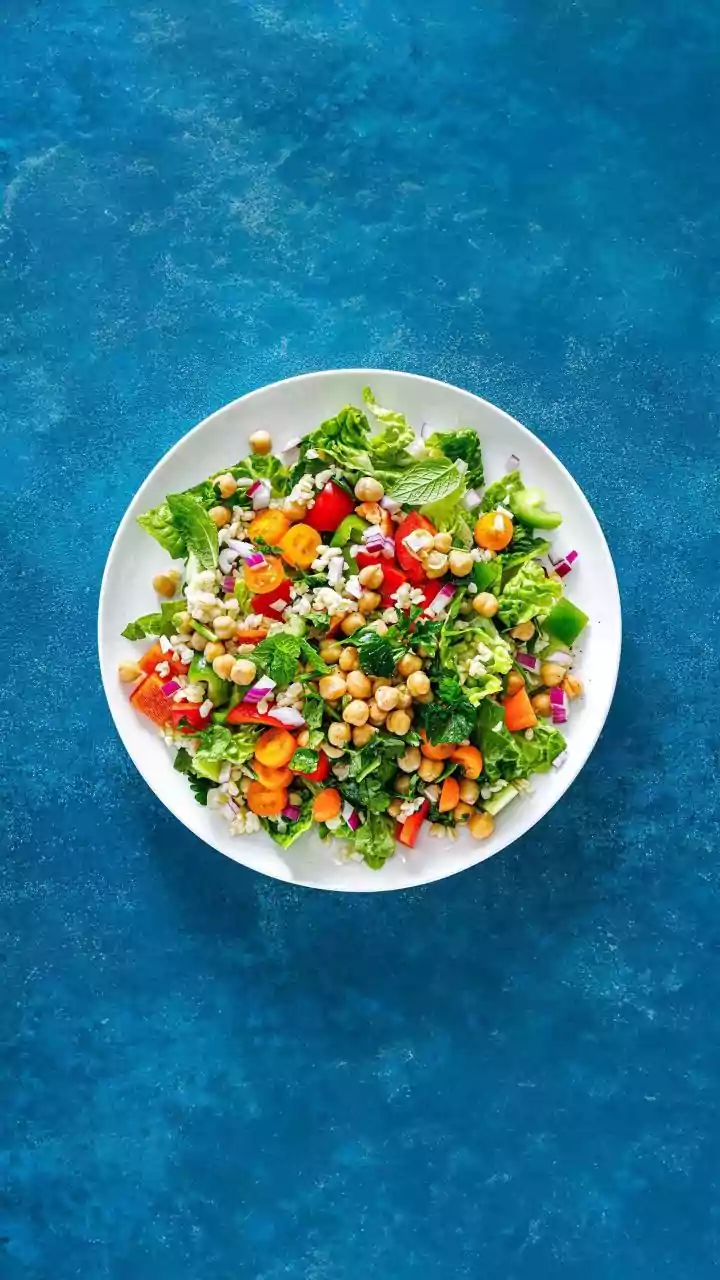
Dedicate an hour over the weekend to 'snack prep.' Wash and chop vegetables like cucumbers, celery, and bell peppers and store them in clear containers at eye-level in your fridge. Portion out nuts or trail mix into small bags so you can grab one on your way out the door. Keep a fruit bowl filled and visible on your kitchen counter. If fresh fruit is front and center, you're far more likely to eat it.
When you're at work, stock your desk or the office fridge with healthy options. If the most convenient snack available is a healthy one, you’ve already won half the battle. It’s about creating an environment where the best choice is also the most obvious one.