




The Unraveling of 'Checklist' Tourism
For decades, the mark of a successful vacation was a packed itinerary. Paris in three days meant a breathless sprint between the Eiffel Tower, the Louvre, and Notre Dame, with just enough time for a quick croissant selfie. This “checklist tourism” was about
conquering a destination, collecting experiences like trophies to be displayed on social media. But the sheen is wearing off. Travelers are returning home from these trips feeling more exhausted than rejuvenated, realizing they saw everything but experienced very little. The model was built for an era of scarcity, when international travel was a rare, once-in-a-lifetime event. In today’s more accessible world, the focus is shifting from quantity to quality, from seeing to feeling.
What 'Slow Travel' Actually Means
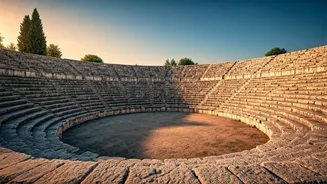
Slow travel isn’t about moving at a snail’s pace. It’s a mindset. It’s the deliberate choice to connect with one place instead of skimming the surface of many. Think renting an apartment in a Roman neighborhood for a week instead of hitting Rome, Florence, and Venice in the same amount of time. It means shopping at the local market, learning a few phrases in the native language, and finding a favorite neighborhood café for your morning coffee. The goal is no longer to just see the Colosseum, but to understand what it feels like to live in its shadow. This approach prioritizes people and culture over monuments, fostering a sense of belonging, even if it’s just for a short time. It swaps the fleeting thrill of the photo-op for the lasting satisfaction of genuine discovery.
A Cure for Modern Burnout
The rise of slow travel is no coincidence; it's a direct response to the pressures of modern life. We live in a culture of constant optimization, digital notifications, and productivity hacks. Our work lives have bled into our personal time, and for many, that same frantic energy has infected our vacations. The post-pandemic world, in particular, prompted a massive re-evaluation of priorities. People are actively seeking an antidote to burnout and digital fatigue. Slow travel offers just that. It’s a form of intentional disconnection from the hustle and a reconnection with the real, tangible world. By removing the pressure to “do it all,” it gives us permission to simply be present, to wander without a map, and to let curiosity, not a schedule, guide the day.
How to Embrace the Slow Lane
Adopting a slow travel mindset doesn't require a six-month sabbatical. You can apply its principles to any trip, even a weekend getaway. Start by staying in one place longer. Instead of a multi-city tour, pick one city or region and explore it deeply. Opt for a vacation rental or a small, locally-owned guesthouse over a massive chain hotel to feel more integrated into the community. Ditch the rigid plan; leave entire afternoons open for spontaneous adventures. Ask a local for their favorite restaurant instead of defaulting to the top-rated spot online. Take public transportation. Most importantly, give yourself the grace to miss a few “must-see” sights. The most memorable part of your trip might not be a famous museum, but the unexpected conversation you had with a shopkeeper or the quiet hour you spent people-watching in a park.