


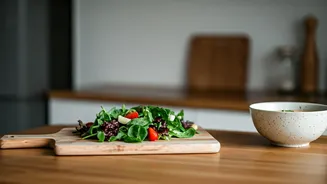
Declare Your Kitchen a No-Cook Zone
The first rule of heatwave cooking is: don't. Every time you use your oven or stovetop, you’re actively pumping heat into your living space, forcing your air conditioner (and your body) to work overtime. A study from the National Institute of Standards
and Technology found that a single gas burner can raise the temperature in a small kitchen by 10°F or more in just one hour. During a heatwave, your appliances become your adversaries. The most practical meal is often the one that requires no heat at all. This is the time to embrace the full potential of your countertop appliances that produce less ambient heat, like a blender, food processor, or even a microwave used sparingly.
Master the Art of the 'Snack Dinner'
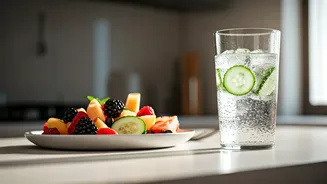
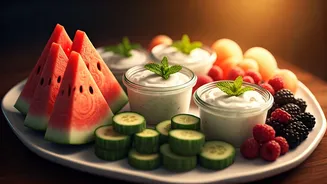
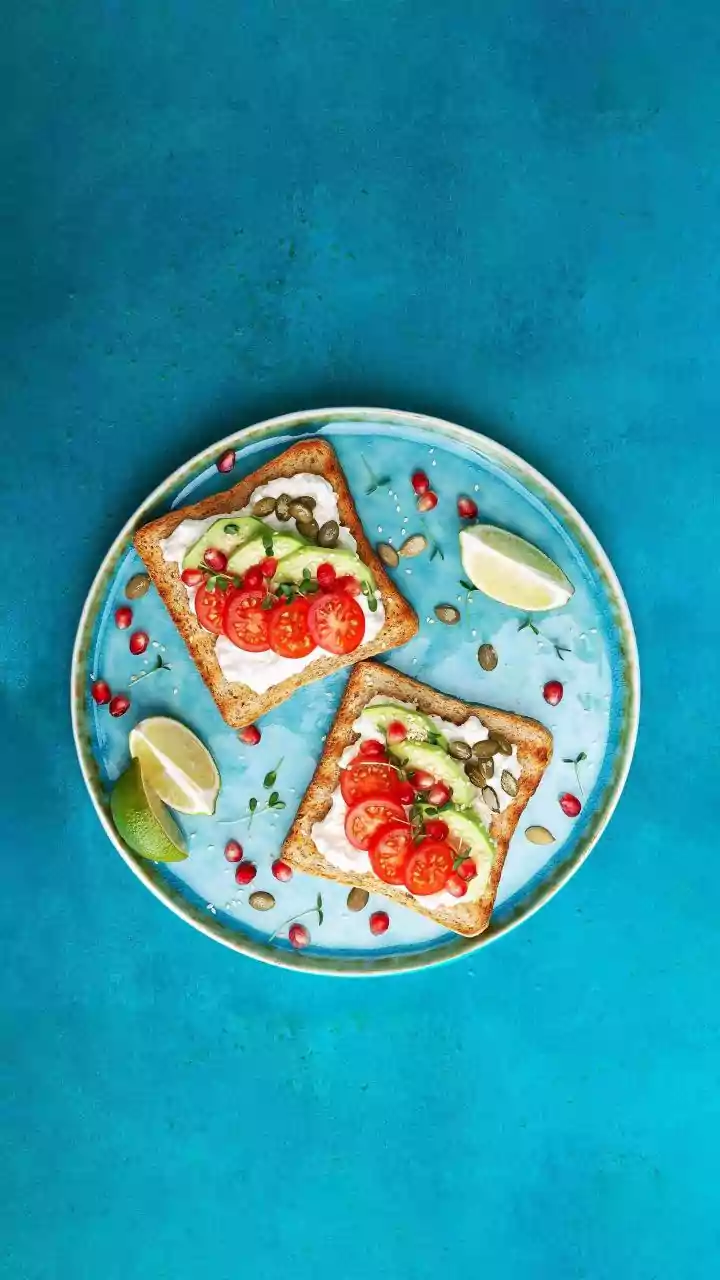
What social media has dubbed the 'girl dinner' is, in fact, a brilliant heatwave survival strategy. The concept is simple: assemble a meal from various small, ready-to-eat components instead of cooking a single, cohesive dish. Think of it as a personal-sized charcuterie board. A plate with some good cheese, crackers, sliced cured meats, olives, a handful of nuts, and fresh fruit is not just satisfying—it’s a nutritionally balanced meal that requires zero cooking. It’s endlessly customizable. Don't like cheese? Swap in a tub of hummus with pita bread and crunchy bell pepper strips. Add a hard-boiled egg for protein, some cherry tomatoes for a burst of freshness, and you have a complete, refreshing meal assembled in minutes.
Eat Your Water
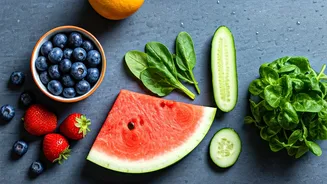
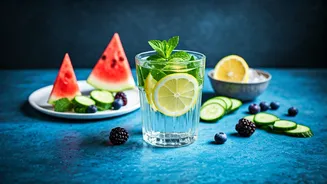
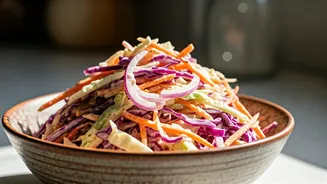
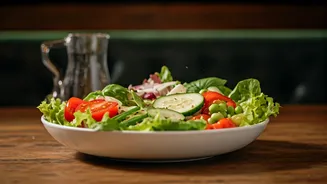
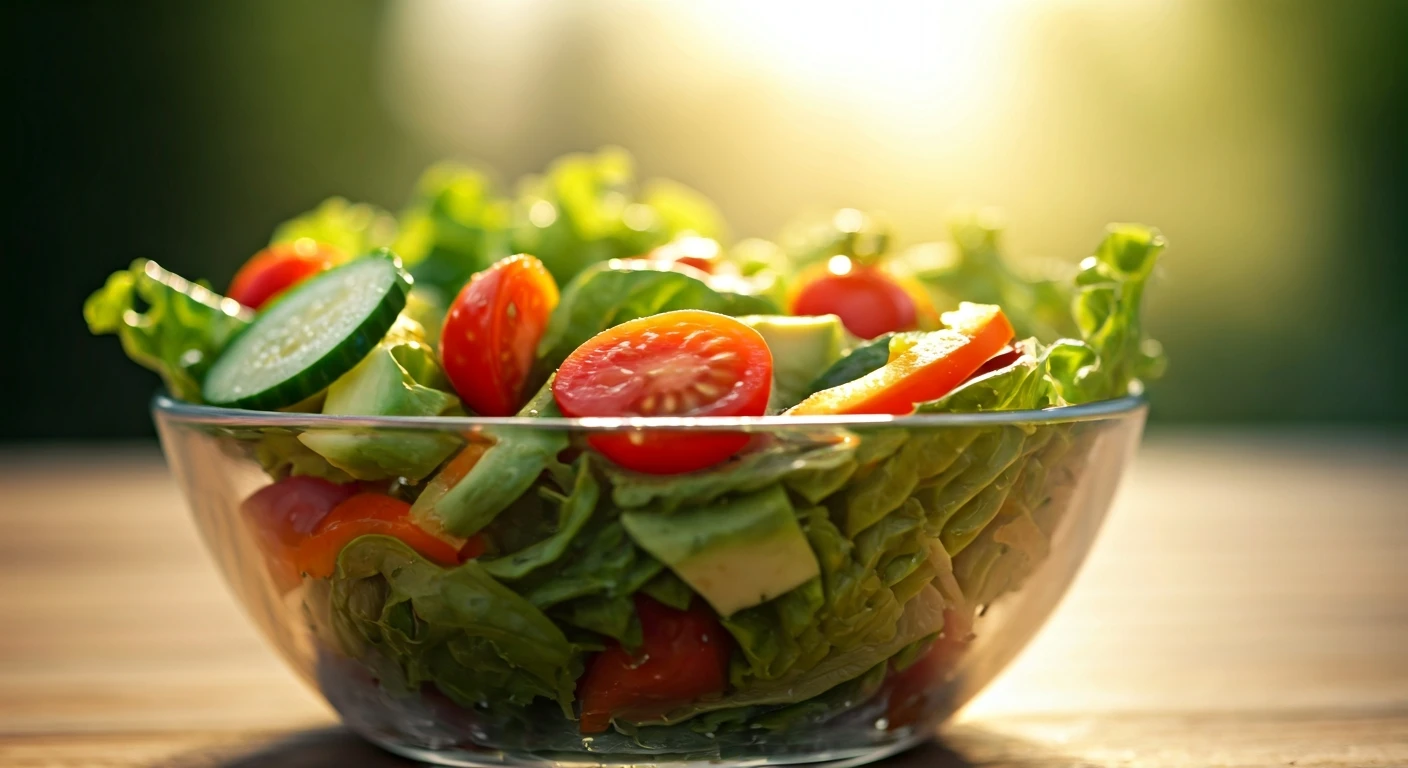
Staying hydrated is critical during extreme heat, but chugging endless glasses of water can feel like a chore. The good news is that you can get a significant amount of your daily water intake from the foods you eat. High-water-content fruits and vegetables are your best friends. Watermelon is famously about 92% water, but don't overlook others like cucumbers (95%), celery (95%), strawberries (91%), and cantaloupe (90%). Incorporating these into your meals isn’t just hydrating; it's also a great way to get essential vitamins and electrolytes that you lose through sweat. A big salad filled with crisp lettuce, cucumbers, and tomatoes isn't just a 'light' meal; it's a hydrating powerhouse.
Lighten the Digestive Load
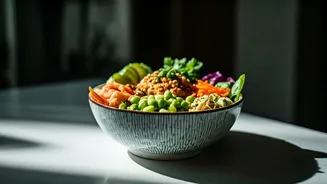
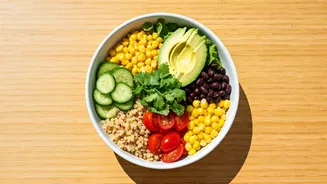
Ever feel sluggish and even hotter after a big, heavy meal? That’s not your imagination. It’s due to the thermic effect of food (TEF), the energy your body uses to digest, absorb, and metabolize nutrients. Large meals, especially those high in protein and fat, require more energy to break down, which generates more internal body heat. A greasy burger and fries might be a comfort food, but on a 95°F day, it’s like stoking a furnace inside your body. Instead, opt for meals that are easier to digest. Think chilled soups like gazpacho, yogurt parfaits, lean proteins in salads (like canned tuna or grilled chicken cooked ahead of time), and simple grain bowls with plenty of fresh vegetables.
Rethink Your Meal Prep Strategy
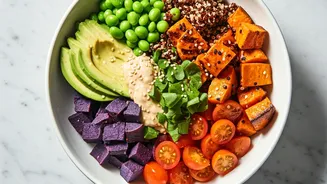
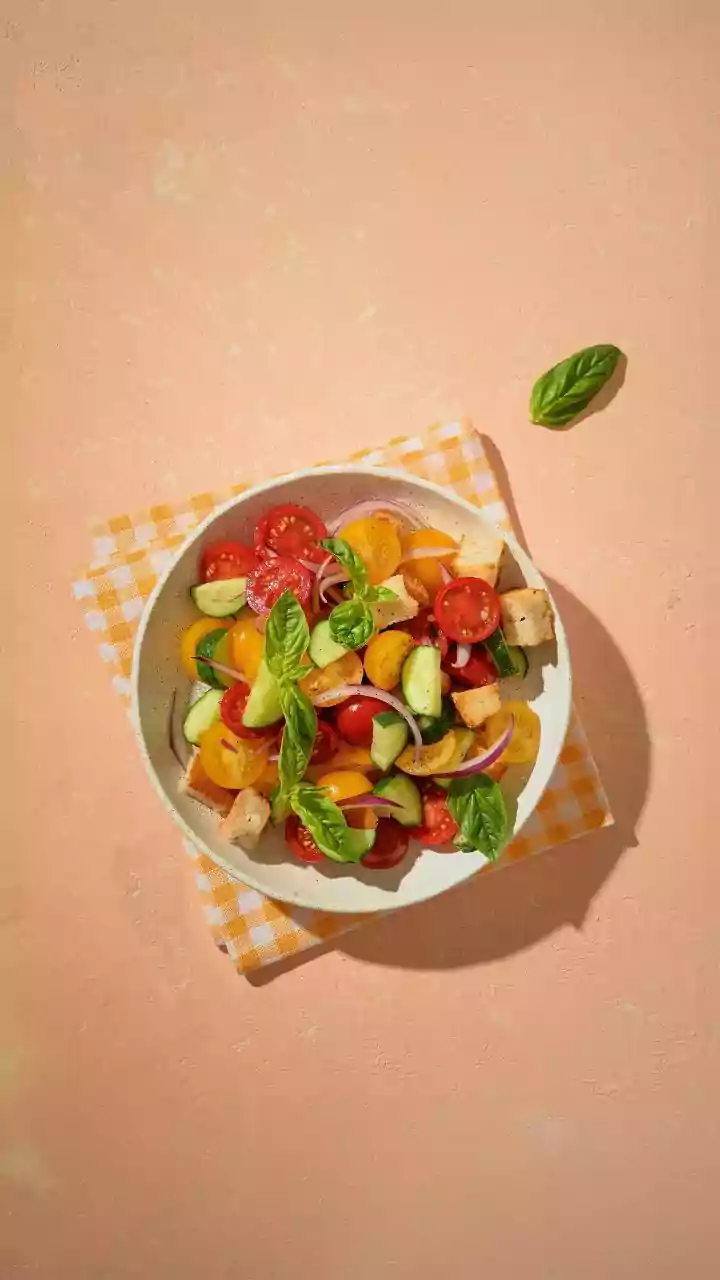
If you’re someone who relies on meal prep, a heatwave just requires a slight shift in strategy. Instead of cooking large batches of hot food, focus on 'component prep.' In the relative cool of the morning or late evening, you can cook a batch of quinoa or pasta, grill some chicken, or boil a few eggs. Store these components in separate containers in the fridge. When mealtime comes, you’re not cooking from scratch; you're simply assembling. A scoop of quinoa, some chickpeas, chopped cucumber and tomato, and a drizzle of lemon-tahini dressing becomes a delicious, cooling grain bowl in under five minutes. This approach keeps your kitchen cool during the hottest parts of the day while ensuring you still have satisfying, home-prepped meals at the ready.