
From the Lab to the Larder
For years, the concept of “probiotics” was clinical. It lived in capsules, powders, and yogurts marketed with scientific-sounding names. The goal was clear—better digestion, improved immunity—but the experience was often detached, more of a daily chore
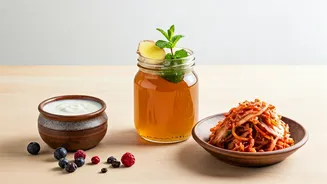
than a culinary delight. You didn't taste the Lactobacillus acidophilus; you just swallowed it and hoped for the best. Now, a significant cultural shift is underway. The pursuit of a healthy gut microbiome is moving out of the supplement bottle and into the kitchen crock. Instead of a pill, wellness seekers are reaching for a forkful of spicy kimchi, a glass of effervescent kombucha, or a slice of sourdough bread. This transition from lab to larder isn't just about changing formats; it's about transforming wellness from a sterile prescription into a vibrant, sensory experience. It reframes gut health not as a problem to be solved with a product, but as a delicious outcome of what you choose to eat.
The Authenticity of 'Local'
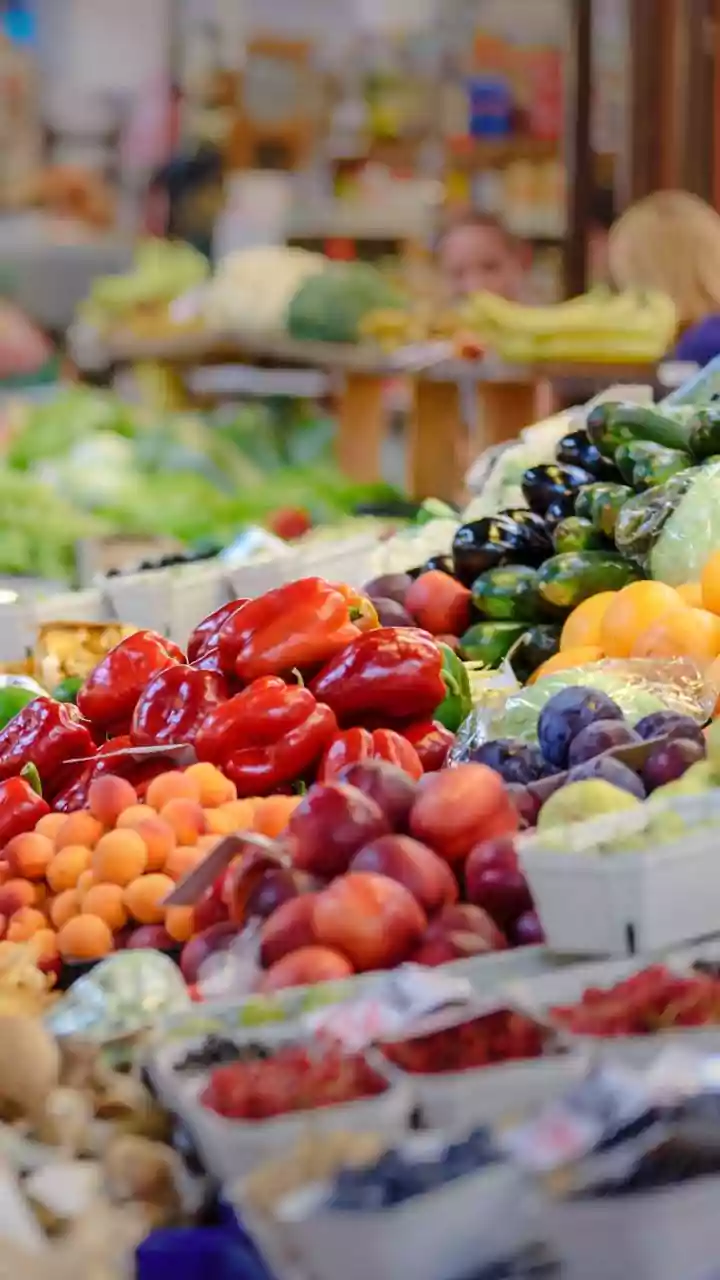
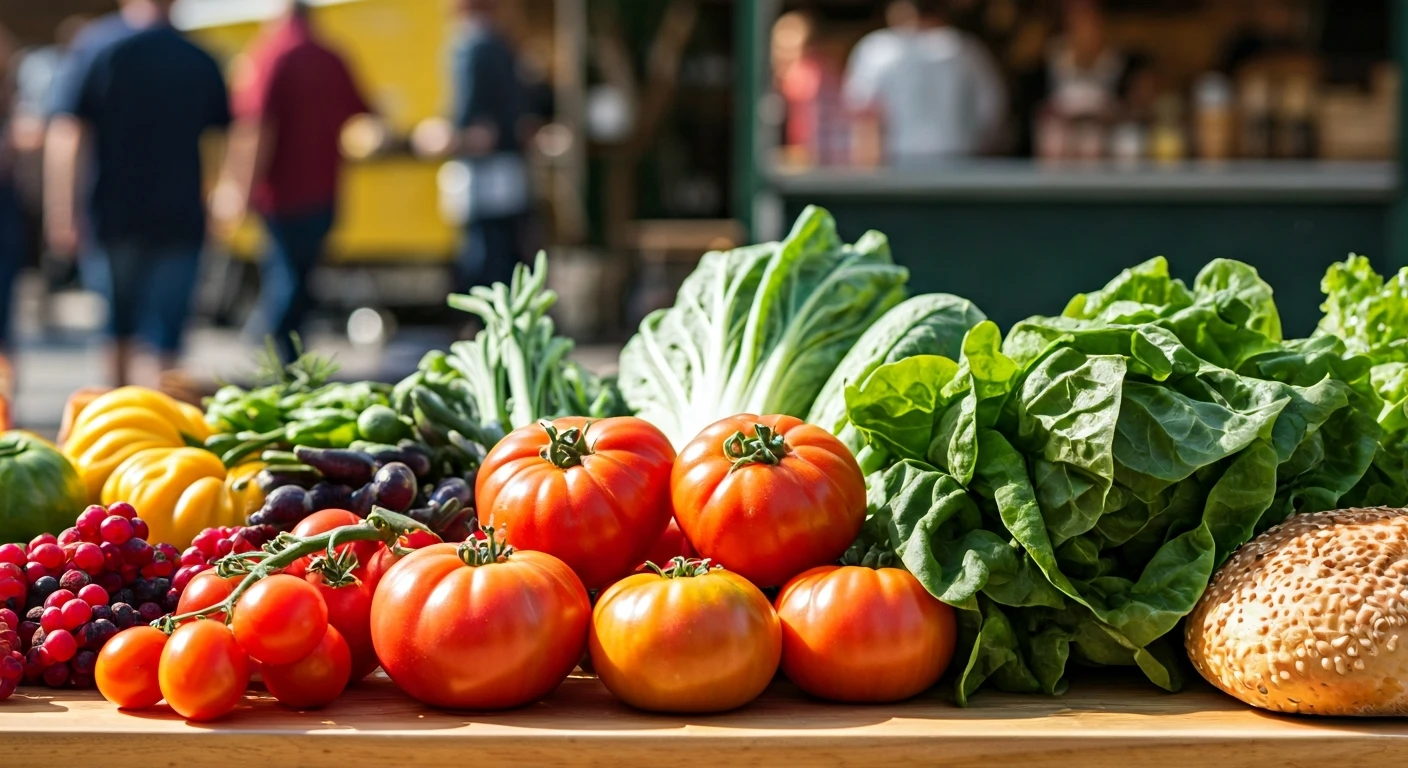
So why does this shift feel so distinctly local? It comes down to trust and transparency. In an age of complex global supply chains and processed foods with mile-long ingredient lists, the word “local” has become a powerful shorthand for authenticity. When you buy sauerkraut from a vendor at your town’s farmers' market, you’re often buying from the person who shredded the cabbage, salted it, and patiently waited for it to ferment. You can ask them about their process, their ingredients, and their story. This personal connection builds a level of trust that a faceless national brand struggles to replicate. It taps into the same consumer desire that fuels the farm-to-table movement: we want to know where our food comes from. Fermented foods, with their ancient roots and simple, natural processes, are a perfect fit for this ethos. They represent a return to tradition and a rejection of industrial-scale wellness. A jar of locally made kimchi feels less like a product and more like a craft—something made with care, by a neighbor.
A World of Fermented Flavor
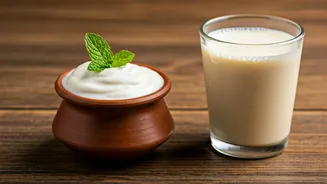
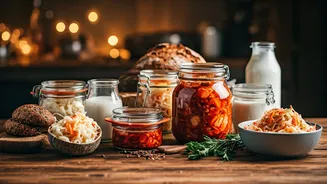
This trend has also blown the doors off the limited, dairy-centric view of probiotics. For many Americans, the only probiotic food in their fridge was yogurt. Now, the local food scene is introducing a global pantry of fermented delights. Bright, fizzy kombucha is brewed in countless neighborhood-specific flavors. Crunchy, tangy sauerkraut—both the classic German style and its spicier Korean cousin, kimchi—are staples at artisanal food stalls. Beyond these gateway ferments, a deeper world awaits. There’s kefir, a drinkable yogurt-like beverage with a tart kick. There's miso, the umami-rich Japanese soybean paste that elevates soups and marinades. And there’s the quiet resurgence of traditionally leavened sourdough bread, whose natural fermentation process makes it more digestible for some. Each of these foods offers a unique flavor profile and a living culture of beneficial bacteria, turning the pursuit of gut health into a culinary adventure.
More Than Just Digestion
Ultimately, the appeal of local probiotic foods is about more than just microbiology. It's about reconnecting with our food and our communities. A supplement offers a single, narrow benefit. A jar of pickles from a local fermenter, however, contains a story. It’s a connection to agricultural cycles, a testament to the magic of preservation, and a vote of confidence in a small business owner. Participating in this trend is an active, not passive, form of wellness. It encourages curiosity and engagement. You learn about the difference between lacto-fermentation and yeast fermentation. You discover that the 'mother' in your vinegar and the 'scoby' in your kombucha are living colonies. This hands-on connection makes wellness feel less like a top-down mandate and more like a grassroots movement—one that tastes amazing, supports your local economy, and nourishes you from the inside out.