






Beyond the Calorie Count
Not long ago, “diet apps” were little more than digital food diaries—glorified calculators for calories in versus calories out. While that function remains a cornerstone, the new generation of apps has evolved into comprehensive wellness platforms. They
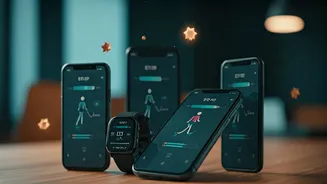
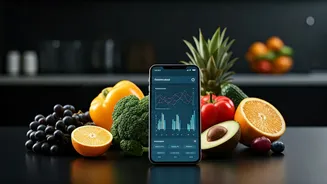
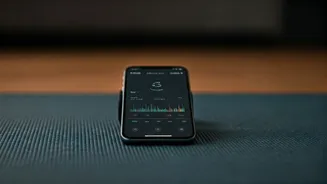
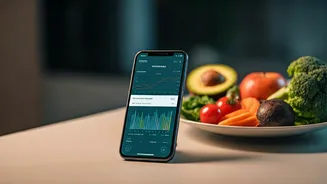
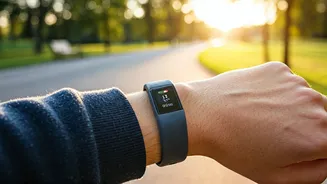
integrate with fitness trackers, smart scales, and even sleep monitors to build a holistic picture of your health. Instead of just telling you that a bagel has 300 calories, a modern app can show you how those calories break down into macronutrients (protein, carbs, fats), track your micronutrient intake (vitamins and minerals), and even connect your food choices to your energy levels during a workout recorded by your smartwatch. This shift from simple accounting to insightful analysis is the real game-changer, turning abstract nutritional advice into personalized, actionable data.
The Power of Awareness
One of the most potent features of these apps is the simple act of tracking. Behavioral science has long shown that measurement and awareness are the first steps toward change. When you’re required to log that mid-afternoon candy bar or the extra helping of pasta, you are forced to confront the choice. This isn’t about guilt; it’s about data. Many users report being genuinely surprised by their habits once they see them laid out in a daily log. They might discover a hidden “sugar bomb” in their favorite coffee drink or realize they are consistently falling short on protein. This data-driven self-awareness empowers users to make small, informed adjustments—swapping a soda for water, adding a side of vegetables—that compound over time into significant nutritional improvements.
Nudges, Streaks, and Gamification
App developers have become masters of behavioral psychology, using subtle nudges and game-like mechanics to foster consistency. Daily reminders to log meals, celebrating a “streak” of consistent tracking, and awarding badges for hitting fiber or hydration goals all tap into our brain’s reward system. These features transform the chore of dieting into a more engaging, motivating experience. Some apps incorporate community features, allowing you to share progress or participate in group challenges, adding a layer of social accountability. While it may seem trivial, earning a virtual “Hydration Hero” badge can be the small push someone needs to choose water over a less healthy alternative, reinforcing a positive habit loop.
The Integrated Health Ecosystem
The true power of modern training apps lies in their ability to connect disparate pieces of your health puzzle. An app like MyFitnessPal can pull your morning run from Strava, adjust your daily calorie goal accordingly, and then factor in your weight from a Withings smart scale. This seamless integration provides a dynamic, 360-degree view of your body’s needs. If you had a poor night’s sleep (tracked by your Oura Ring), the app might provide insights into how that affects food cravings or energy expenditure. This interconnected ecosystem moves beyond isolated metrics and helps users understand the complex interplay between diet, exercise, sleep, and overall well-being. It’s the closest thing most people can get to having a personal team of health analysts working for them 24/7.
A Tool, Not a Tyrant
Despite their benefits, it’s crucial to approach these apps with the right mindset. For some individuals, particularly those with a history of disordered eating, the constant tracking and quantification of food can become obsessive and harmful. The data itself is also not infallible; user-generated food databases can contain errors, and calorie estimates for exercise are notoriously imprecise. These apps are best viewed as educational tools that provide guidance and promote awareness, not as rigid rulebooks. They are no substitute for the personalized advice of a registered dietitian or doctor, who can account for your unique medical history and needs. The goal is to use the app to build sustainable, healthy habits that you can eventually maintain intuitively, without needing to log every last bite.