







The Flower of the West Wind
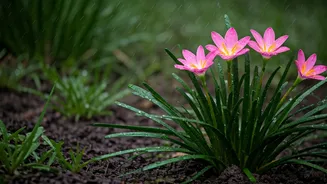
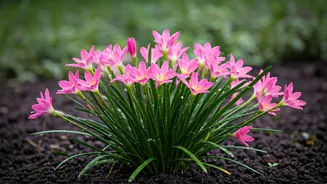
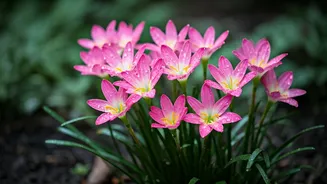
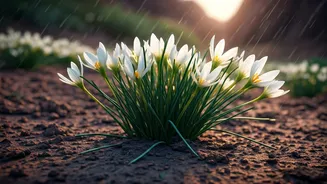
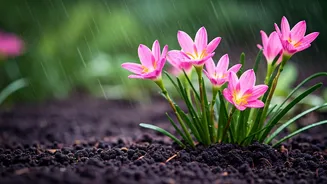
They appear as if from nowhere: delicate, star-shaped flowers in shades of white, pink, or yellow, pushing up through soil that was cracked and dry only days before. These are rain lilies. Known to botanists as part of the *Zephyranthes* genus—a name
aptly derived from Zephyrus, the Greek god of the west wind—they have a host of other evocative nicknames: fairy lilies, zephyr lilies, and thunderstorm flowers. Unlike plants that follow a predictable seasonal calendar, rain lilies operate on their own dramatic schedule. They are masters of patience, their bulbs lying dormant just beneath the surface, waiting for a very specific cue to burst into life. Their sudden appearance is not just beautiful; it's a perfectly executed survival strategy that feels like a magic trick, a floral reward for enduring the heat.
Nature's Perfect Alarm Clock
So, how do they do it? The magic is actually a marvel of biological engineering. Rain lily bulbs are programmed to respond to a specific combination of environmental triggers. Throughout the long, dry spells typical of their native habitats, they conserve energy underground. They aren't dead, merely sleeping. The trigger for their bloom is a significant change in soil moisture. A light sprinkle won't do; they need a thorough soaking, the kind delivered by a heavy summer downpour or a sustained monsoon storm. This drenching signals to the bulb that conditions are finally favorable for reproduction. The sudden hydration, often coupled with a slight drop in temperature from the rain, acts as an alarm clock. In a race against the returning heat, the plant rapidly sends up a flower stalk—sometimes blooming within 48 to 72 hours of the rain event. The goal is to flower, get pollinated, and produce seeds before the soil dries out again, ensuring the next generation.
A Monsoon Spectacle
While various species of rain lily are native to the Americas, from the Southeast to Argentina, their performance is particularly spectacular in the context of the North American Monsoon. Every summer, a seasonal shift in wind patterns pulls moist air from the Pacific Ocean and Gulf of Mexico into the Southwest. This creates the classic monsoon season in states like Arizona, New Mexico, and parts of Texas, characterized by intense, often-brief afternoon thunderstorms. For residents and visitors, this season is a dramatic relief from the oppressive summer heat. For the rain lilies, it’s showtime. Carpets of white and pink flowers can suddenly transform a muted desert landscape or a simple suburban lawn into a painterly scene. This breathtaking display is a powerful reminder of the resilience of life in arid environments, where organisms must seize fleeting opportunities to thrive.
Bringing the Magic to Your Garden
The good news for gardeners across the country is that you don't need a desert monsoon to enjoy this phenomenon. Rain lilies are remarkably easy to grow in many U.S. climates (typically USDA Zones 7-10). The key is to mimic their natural cycle. Plant the bulbs in the spring in a spot with well-draining soil and plenty of sun. They are drought-tolerant and thrive on a cycle of neglect followed by attention. Let them endure a dry period, and then give them a deep, thorough watering. Like a simulated cloudburst, this will often trigger a surprise flush of blooms a few days later. They are perfect for rock gardens, borders, or even containers. Planting them allows you to become the rainmaker, orchestrating your own small, magical floral event throughout the summer and fall.